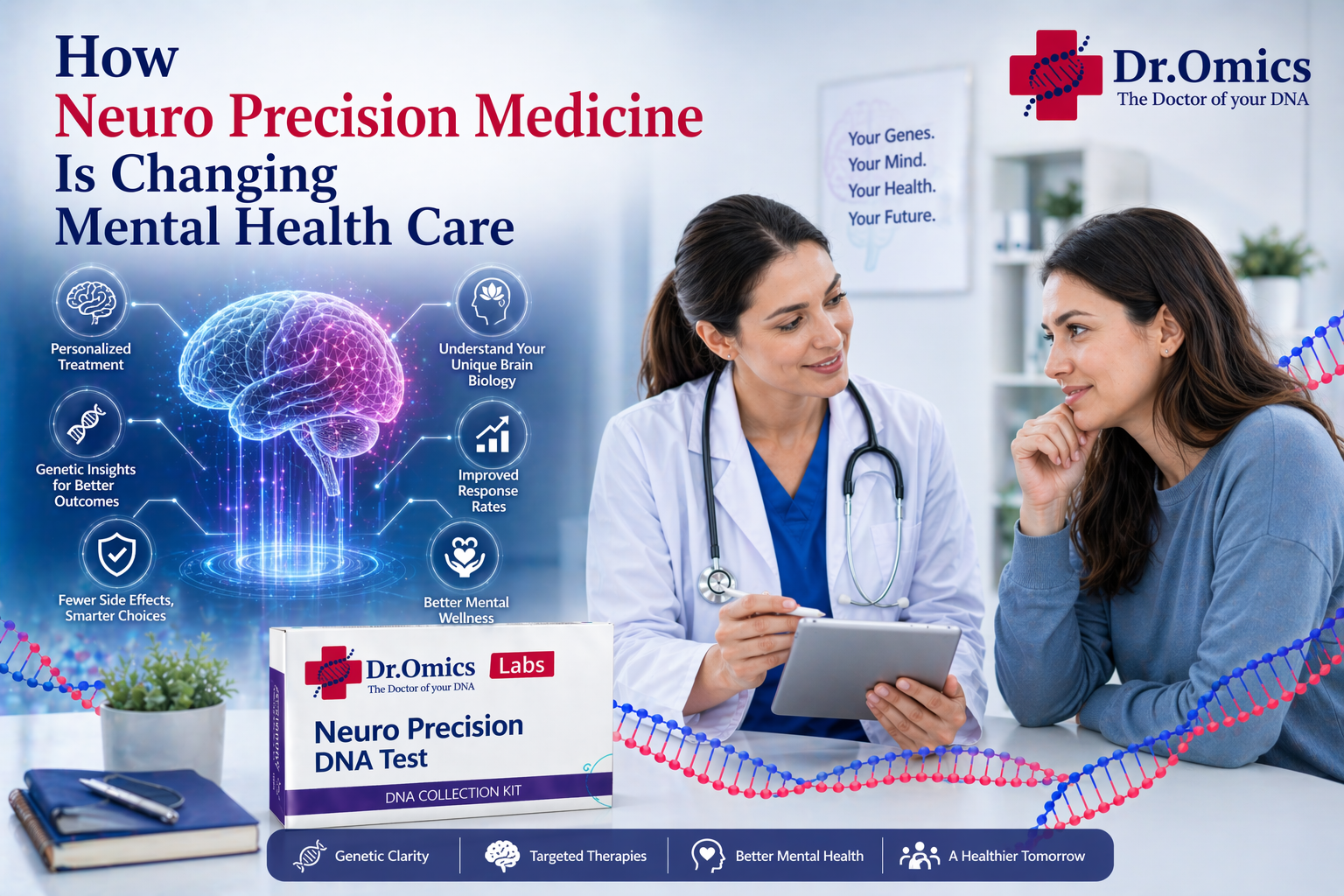
Mental health care is undergoing a profound transformation. For decades, treatment for conditions such as depression, anxiety, bipolar disorder, and ADHD has relied largely on symptom-based diagnosis and trial-and-error medication selection. While this approach helps many, it often leaves patients struggling to find the right therapy. Today, advances in neuro precision medicine are changing that narrative by using genetics to personalize mental health care at a deeper level.
By combining brain genomics, neurogenetic testing, and tools like a DNA brain test, clinicians are gaining clearer insight into how individual brains function—and how best to support them.
The Limitations of Traditional Mental Health Treatment
Mental health disorders are complex and highly individual. Two people with the same diagnosis may experience entirely different symptoms and respond differently to the same medication. Traditional psychiatric care often involves trying multiple medications before finding one that works, which can be frustrating and emotionally exhausting.
Research in brain genomics has revealed that genetic differences significantly influence neurotransmitter activity, stress response, emotional regulation, and medication metabolism. A neurological DNA test helps uncover these differences, allowing care to be tailored rather than generalized.
What Is Neuro Precision Medicine?
Neuro precision medicine is an approach that uses genetic, biological, and clinical data to customize mental health care. Instead of focusing only on symptoms, this method examines the underlying biological mechanisms influencing brain function.
Through neurogenetic testing, clinicians can identify genetic variants associated with mood regulation, anxiety response, attention control, and stress sensitivity. This information supports personalized neurology, where treatment decisions are aligned with an individual’s unique genetic profile.
DNA Brain Test: A Window Into Mental Health
A DNA brain test is a type of neurological DNA test that analyzes genes involved in brain chemistry and neural signaling. These genes influence how the brain produces and responds to neurotransmitters such as serotonin, dopamine, and norepinephrine—key players in mental health.
A DNA brain test may provide insights into:
- Sensitivity to stress and emotional triggers
- Risk for mood and anxiety disorders
- Likelihood of medication side effects
- Cognitive traits such as focus and motivation
These insights help clinicians design targeted treatment plans that reduce guesswork and improve outcomes.
Neurogenetic Testing and Medication Response
One of the most impactful uses of neurogenetic testing in mental health care is medication optimization. Genetic variations can affect how psychiatric medications are metabolized, influencing both effectiveness and side effects.
With genetic insights, clinicians practicing personalized neurology can:
- Choose medications more likely to be effective
- Adjust dosages based on metabolic capacity
- Reduce adverse drug reactions
- Shorten the time to symptom improvement
This precision-based approach can significantly improve patient confidence and treatment adherence.
Personalized Neurology for Holistic Mental Wellness
Personalized neurology goes beyond medication. Genetics also influences sleep patterns, stress resilience, emotional regulation, and cognitive performance. By integrating genetic data with lifestyle factors, mental health care becomes more holistic.
Personalized strategies may include:
- Stress management techniques aligned with genetic sensitivity
- Sleep and circadian rhythm optimization
- Nutritional support for neurotransmitter balance
- Cognitive training tailored to brain function
This comprehensive approach supports both symptom management and long-term mental well-being.
The Preventive Power of Brain Genomics
Mental health care has traditionally focused on treating illness after symptoms appear. Brain genomics shifts the focus toward prevention. A neurological DNA test can identify genetic vulnerabilities early, allowing individuals to adopt protective lifestyle strategies before conditions worsen.
For individuals with a family history of mental health disorders, neuro precision medicine provides clarity and proactive guidance rather than uncertainty.
Reducing Stigma Through Science
One of the most important impacts of neuro precision medicine is the reduction of stigma surrounding mental health. Understanding that mental health conditions have biological and genetic foundations helps shift the narrative away from blame or weakness.
Genetic insights validate lived experiences and encourage individuals to seek help without shame. This scientific perspective fosters empathy, understanding, and acceptance in mental health care.
The Future of Mental Health Care
As technology and research continue to advance, neuro precision medicine will become a cornerstone of mental health care. The integration of DNA brain tests, neurogenetic testing, and brain genomics will enable earlier intervention, more accurate treatment, and better long-term outcomes.
Mental health care is moving from reactive symptom control to proactive, personalized support—guided by genetics and informed by science.
Conclusion
Neuro precision medicine is redefining mental health care by aligning treatment with the brain’s unique genetic blueprint. Through DNA brain tests, neurological DNA tests, and neurogenetic testing, clinicians can practice personalized neurology that is more precise, compassionate, and effective. As brain genomics continues to evolve, mental health care is becoming not only more advanced—but more human.