
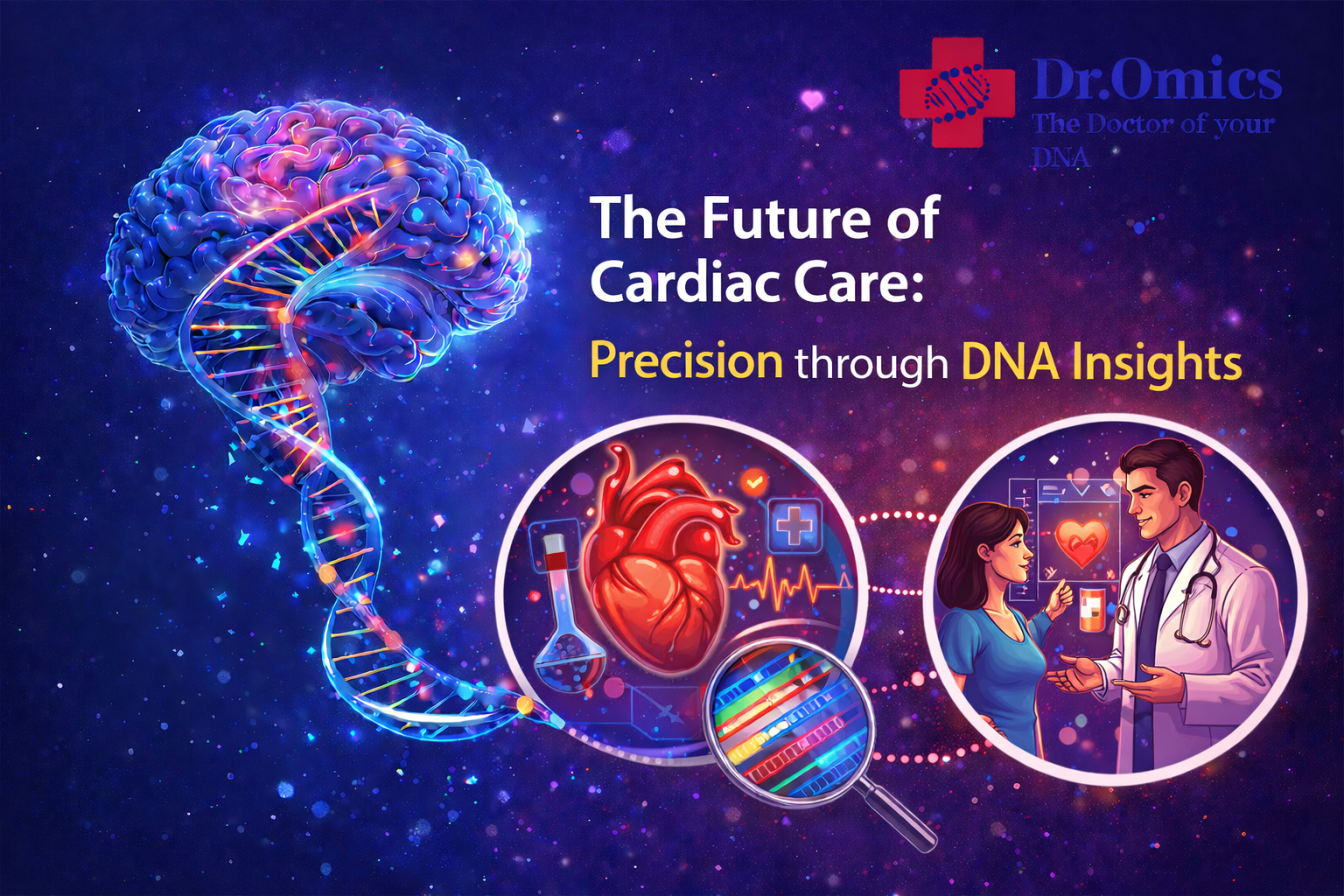
Heart disease continues to be a leading cause of death globally, but recent advances in genetics are revolutionizing the way we approach cardiovascular health. Traditional strategies focus on lifestyle changes, diet, and routine monitoring, but they often overlook an essential factor: an individual’s genetic makeup. Today, heart DNA tests and genetic cardiac tests are enabling personalized approaches, ushering in a new era of personalized heart care.
Understanding Heart Disease Genetics
Heart disease genetics examines how inherited traits influence heart health. Variations in genes can affect cholesterol metabolism, blood pressure regulation, inflammation, and the risk of conditions such as coronary artery disease, arrhythmias, or cardiomyopathy.
Even individuals who maintain a healthy lifestyle may have genetic predispositions that put them at higher risk. Identifying these risks early through a cardio genetic test allows healthcare providers to implement preventive measures tailored to each patient, rather than relying solely on generalized recommendations.
What Is a Heart DNA Test?
A heart DNA test is a simple, non-invasive test that analyzes genetic markers linked to cardiovascular risk. Using a saliva or cheek swab sample, the test evaluates genes that impact heart function, metabolism, and vascular health. Unlike routine blood tests that reflect your current condition, a genetic cardiac test offers a lifelong perspective on inherited risks.
By understanding your unique genetic profile, you can work with healthcare professionals to develop targeted strategies for DNA heart health, ultimately enhancing prevention and care.
How Genetics Inform Personalized Heart Care
Genetic insights can guide personalized interventions in several ways:
- Nutrition and diet: Genetics can determine how your body metabolizes fats, carbohydrates, and sodium, allowing for diet plans tailored to reduce cardiovascular risk.
- Exercise optimization: Genetic markers reveal which type of physical activity—endurance, strength, or moderate exercise—will most benefit your heart.
- Medication strategies: Pharmacogenomic information can help doctors choose drugs that are effective while minimizing side effects.
- Proactive monitoring: Genetic predispositions can inform the frequency of screenings and check-ups for early detection of potential cardiac issues.
By integrating these insights, patients receive personalized heart care that is precise, proactive, and effective.
Benefits of a Cardio Genetic Test
A cardio genetic test provides several advantages for long-term heart health:
- Early identification of individuals at high risk for heart disease
- Tailored lifestyle and diet recommendations based on genetics
- Optimized exercise and recovery strategies
- Personalized medication management for safer, more effective treatment
- Improved long-term outcomes through proactive interventions
Understanding your heart disease genetics empowers you to make informed lifestyle choices and medical decisions that align with your biology.
The Future of Cardiac Care
The integration of genetics into cardiology is transforming preventive and personalized medicine. Heart DNA tests and genetic cardiac tests are no longer experimental—they are practical tools that allow clinicians to provide individualized care.
By combining genetic insights with traditional assessments, doctors can create targeted plans that reduce risk, improve overall heart health, and enhance quality of life. Patients can now take proactive steps based on their DNA, rather than waiting for symptoms to appear.
Conclusion
The future of cardiovascular care lies in precision. With DNA heart health testing, cardio genetic tests, and insights from heart disease genetics, healthcare is shifting from reactive treatment to proactive prevention.
Personalized heart care powered by genetic data enables patients to tailor diet, exercise, and medication strategies to their unique biology. This approach not only minimizes risk but also empowers individuals to take control of their heart health, paving the way for longer, healthier lives.
Genetic insights are not just the future—they are the present of cardiac care, providing a roadmap for smarter, safer, and more effective prevention and management.

