
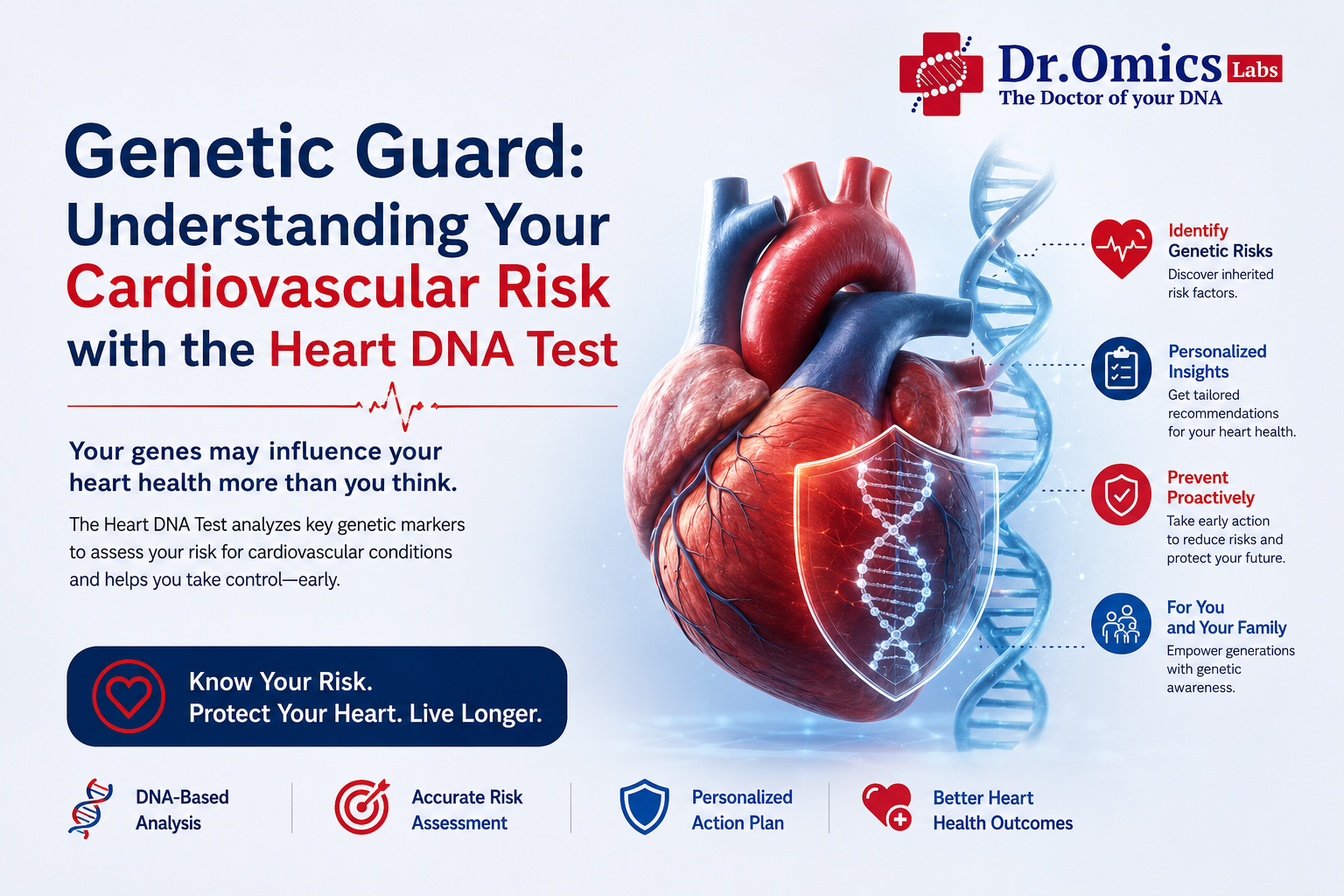
Heart disease remains the leading cause of death globally, often referred to as a “silent killer” because symptoms may not appear until a major event occurs. However, the narrative of cardiac health is changing. We are moving away from reactive medicine and into the era of preventive cardiology, where your unique genetic blueprint provides a roadmap for long-term health. The Heart DNA test is at the forefront of this shift, offering a profound look into your biological predispositions.
The Power of Cardiovascular Genetic Screening
While lifestyle factors like diet, exercise, and smoking habits are critical, they only tell half the story. Have you ever wondered why someone who eats well and exercises regularly might still suffer a sudden heart attack? The answer often lies in their cardiovascular genetic screening results.
Our genes influence everything from how our bodies process cholesterol and fats to how our blood vessels respond to inflammation. Cardio DNA testing identifies specific markers—such as variations in the LDLR, APOB, or PCSK9 genes—that can significantly increase the risk of conditions like Familial Hypercholesterolemia or coronary artery disease. By uncovering these variants early, clinicians can intervene decades before a physical symptom ever manifests.
Decoding Your Genetic Risk for Heart Disease
Understanding your genetic risk for heart disease is not a “fate” or a diagnosis; it is a powerful piece of data. Most cardiac conditions are “polygenic,” meaning they are influenced by hundreds of small genetic variations that add up. A modern Heart DNA test can calculate a Polygenic Risk Score (PRS), which categorizes your risk level compared to the general population.
For individuals with a high genetic load, standard “healthy” habits might not be enough. They may require:
- Earlier Screenings: Starting lipid panels or calcium scoring in their 20s rather than their 40s.
- Targeted Medications: Certain individuals respond better to specific statins or blood pressure medications based on their DNA.
- Precision Nutrition: Understanding if your body is genetically prone to salt sensitivity or saturated fat intolerance.
Why Cardio DNA Testing is the Future of Prevention
In the past, family history was the only way to gauge genetic risk. If your father had a heart attack at 50, you were told you were “at risk.” But family history is often incomplete or misleading. You might not have inherited the specific “risk” genes your parents carry, or conversely, you might carry recessive traits that haven’t appeared in generations.
Cardiovascular genetic screening removes the guesswork. It provides objective, molecular data that doesn’t change over your lifetime. In the context of preventive cardiology, this allows for a “precision prevention” strategy. Instead of broad advice to “eat less salt,” a doctor can tell you, “Your DNA shows a high sensitivity to sodium-induced hypertension; let’s focus specifically on a low-sodium protocol.”
Taking the First Step Toward a Healthier Heart
The journey to a healthier heart starts with knowledge. A Heart DNA test is a simple, typically non-invasive procedure—often a saliva sample or a blood draw—that unlocks a lifetime of insights.
It is important to remember that genetics is not destiny. Your DNA loads the gun, but your lifestyle pulls the trigger. By identifying your genetic risk for heart disease early, you gain the “Genetic Guard” necessary to make informed choices. Whether it’s adjusting your fitness routine, fine-tuning your supplements, or working closely with a specialist in preventive cardiology, you are no longer a passive observer of your health.
In the fight against cardiovascular disease, information is your strongest shield. Embrace the science of cardio DNA testing and take control of your heart’s future today. Your genes have a story to tell—it’s time you listened.

