
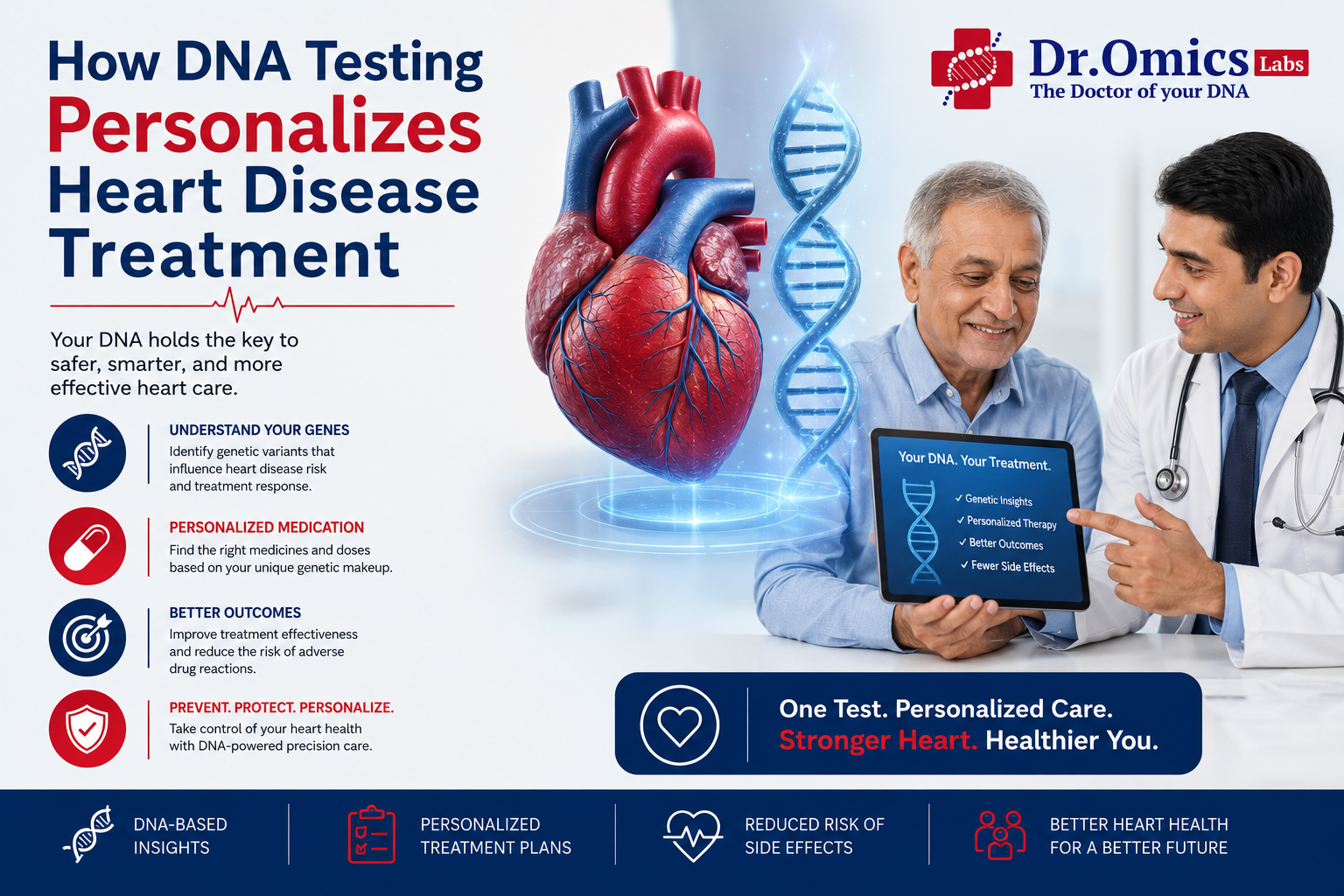
For decades, cardiology followed a relatively standard protocol: if a patient had high blood pressure or high cholesterol, they were prescribed the most common medication at a standard dose. If that didn’t work, or if side effects occurred, the doctor would try the next option. This “trial and error” approach is rapidly becoming a thing of the past. Today, cardio precision medicine is transforming how we treat the world’s leading cause of death by using an individual’s genetic code to tailor interventions.
The Shift to Personalized Cardiology
The heart is a complex organ, and its ailments are rarely caused by a single factor. While lifestyle remains a pillar of health, our heart genomics—the study of all our genes and how they interact—determines how our cardiovascular system functions under stress.
Personalized cardiology moves away from the “average patient” model. By utilizing a genetic heart test, physicians can now look deep into a patient’s biological makeup to identify the root causes of their condition. Is the heart failure caused by a structural protein defect, or is it a metabolic issue? Does this patient have a genetic predisposition to inflammation? Answering these questions allows for a treatment plan that is as unique as the patient’s own DNA.
Cardiovascular Pharmacogenomics: The Right Drug, the First Time
Perhaps the most impactful application of DNA testing in the clinic today is cardiovascular pharmacogenomics. This field focuses on how your genes affect your response to medications.
A common example is the use of antiplatelet drugs like clopidogrel (Plavix), often prescribed after a stent placement. Some individuals carry a variant in the CYP2C19 gene that prevents them from “activating” the drug, leaving them at a significantly higher risk for another heart attack even while taking their medicine. Through dna cardiac treatment strategies, a doctor can test for this variant beforehand and immediately prescribe an alternative medication. This isn’t just about efficiency; it’s about life-saving precision.
Pharmacogenomics also helps in managing:
- Statins: Identifying patients who are genetically prone to muscle pain (myopathy), allowing for dose adjustments or alternative cholesterol-lowering therapies.
- Beta-Blockers: Understanding why some patients experience extreme fatigue while others feel no side effects at all.
- Warfarin: Calculating the precise initial dose of blood thinners to avoid dangerous bleeding or ineffective clotting.
Precision Prevention and Treatment
Beyond medication, heart genomics plays a vital role in long-term management. For patients with inherited conditions like hypertrophic cardiomyopathy or certain arrhythmias, a genetic heart test can identify family members who may be at risk before they ever show symptoms.
In the realm of cardio precision medicine, even surgical decisions are becoming personalized. Knowing the genetic drivers of an aortic aneurysm or a valve defect can help surgeons determine the optimal timing for an intervention, potentially avoiding emergency scenarios.
The Future of Your Heart’s Health
The integration of dna cardiac treatment into routine care is a cornerstone of modern healthcare. We are no longer guessing which diet, which exercise, or which pill will work best for a patient. Instead, we are using the patient’s own biological instructions to build a fortress around their cardiovascular health.
As the cost of testing continues to drop and our understanding of the human genome grows, personalized cardiology will become the standard of care. By embracing these genetic insights, we can move from simply managing heart disease to preventing it entirely, ensuring that every heart gets the specific care it needs to keep beating strong. The future of heart health isn’t just in the hands of the surgeon—it’s in the blueprint of your DNA.

