
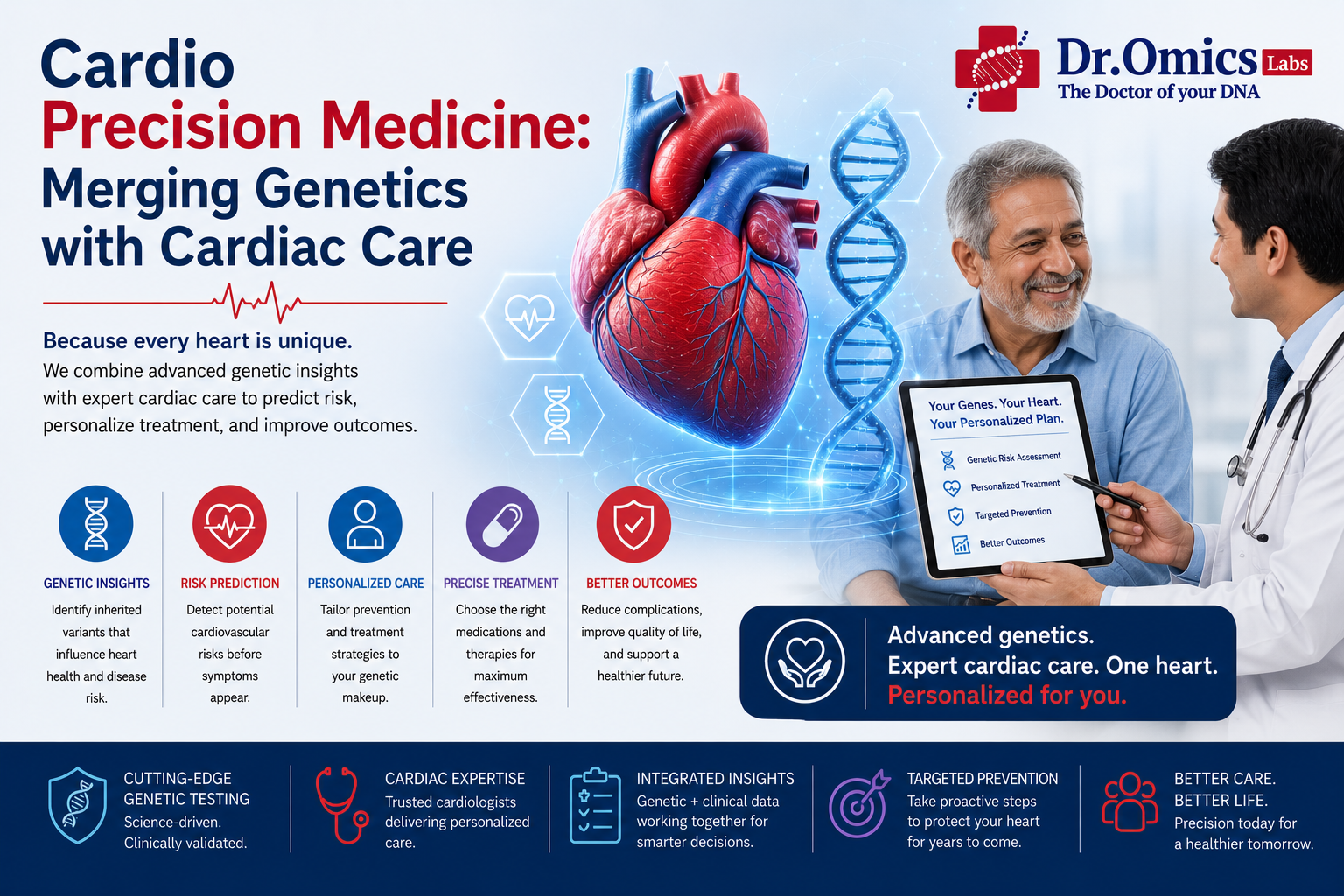
For decades, the field of cardiology focused on treating the symptoms of heart disease through a generalized lens. If you had high blood pressure or irregular cholesterol levels, you were likely given a “standard” prescription based on what worked for the average person. However, as medicine enters the 21st century, we are moving away from the average and toward the individual. This shift is defined by cardio precision medicine—a revolutionary approach that integrates a patient’s unique genetic profile into every aspect of their heart care.
The Foundation of Heart Genomics
The heart is more than just a mechanical pump; it is a complex organ governed by a specific biological blueprint. Our heart genomics—the study of our entire genetic makeup—holds the key to understanding why some people are more prone to arterial plaque, while others may experience structural changes in the heart muscle.
By utilizing a genetic heart test, clinicians can now look beyond external lifestyle factors like diet and exercise. While these remain critical, they don’t explain every cardiac event. Genomics allows us to identify inherited predispositions for conditions such as hypertrophic cardiomyopathy, long QT syndrome, or familial hypercholesterolemia. When we understand the genetic “why” behind a patient’s condition, the path to personalized cardiology becomes much clearer.
Cardiovascular Pharmacogenomics: The End of Trial and Error
One of the most immediate benefits of merging genetics with cardiac care is the field of cardiovascular pharmacogenomics. This discipline studies how your DNA affects your body’s response to specific medications.
In traditional medicine, finding the right blood thinner or blood pressure medication could take months of trial and error, often accompanied by frustrating side effects. With dna cardiac treatment strategies, that guesswork is eliminated. For example:
- Clopidogrel Effectiveness: Certain genetic variations prevent the body from activating this common antiplatelet drug. A simple test can ensure a patient receives a more effective alternative before a secondary event occurs.
- Statin Sensitivity: Genetic markers can predict which patients are likely to experience muscle pain from cholesterol-lowering drugs, allowing doctors to adjust dosages or switch to different classes of medication immediately.
- Warfarin Dosing: Precision testing helps determine the exact starting dose of anticoagulants, reducing the risk of dangerous internal bleeding or ineffective thinning.
A Proactive Approach to Heart Health
The ultimate goal of cardio precision medicine is to move from a reactive model to a proactive one. Instead of waiting for a heart attack to happen, doctors can use genetic insights to build a “fortress” around the patient’s cardiovascular system.
For a patient with a high genetic risk, personalized cardiology might involve advanced imaging years before it would be recommended for the general public. It might mean a specific nutritional protocol designed for someone whose body doesn’t process saturated fats efficiently due to their DNA. It turns the patient into an active participant in their own health, armed with the data they need to make life-saving choices.
Conclusion: The Future of the Beat
The integration of heart genomics into clinical practice is not just a trend; it is the future of medicine. By understanding that every heart beats to the rhythm of a unique genetic code, we can provide treatments that are safer, more effective, and profoundly personal.
As dna cardiac treatment becomes more accessible, the mystery of heart disease begins to fade. We are entering an era where your doctor won’t just treat your heart—they will treat your heart, specifically. Through the power of cardio precision medicine, we are ensuring that every heartbeat is supported by the full strength of modern science.

