
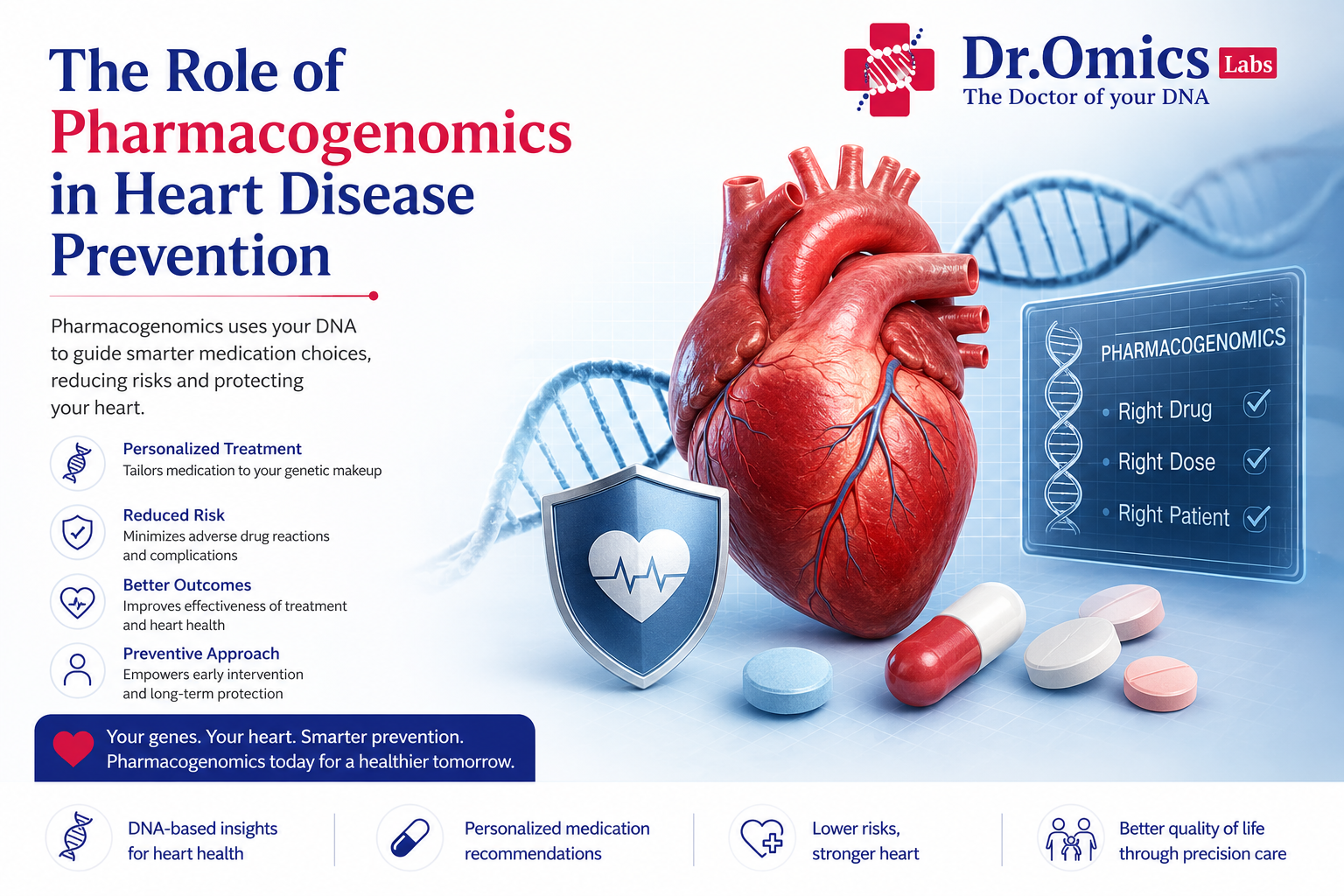
For a long time, cardiology relied on a “one-size-fits-all” approach to medication. If two patients had high blood pressure, they were often given the same drug at the same starting dose. However, we’ve all seen cases where a medication works wonders for one person but causes debilitating side effects or shows no results for another. This variability isn’t a failure of the patient or the medicine; it’s a reflection of our unique biological blueprints. Today, cardio precision medicine is solving this puzzle through the science of cardiovascular pharmacogenomics.
Understanding Pharmacogenomics in Cardiac Care
Pharmacogenomics is the study of how your genes affect your body’s response to drugs. In the context of heart health, this means using a genetic heart test to determine which medications will be most effective and safest for your specific genetic makeup. Our heart genomics dictate how enzymes in our liver break down medications and how receptors in our cells interact with those drugs.
By integrating pharmacogenomics into personalized cardiology, doctors can move away from the traditional trial-and-error method. Instead of waiting weeks to see if a blood thinner is working or if a statin is causing muscle damage, they can use DNA data to prescribe the right drug at the right dose from day one.
Preventing Adverse Reactions and Treatment Failure
The primary goal of cardiovascular pharmacogenomics is prevention—not just preventing heart disease itself, but preventing the complications that arise from ineffective or harmful treatments.
One of the most critical examples involves antiplatelet therapy. Many heart patients are prescribed clopidogrel to prevent blood clots after a stent is placed. However, a significant portion of the population carries a genetic variant that prevents their liver from converting this drug into its active form. Without a dna cardiac treatment plan that includes genetic screening, these patients remain at a high risk for a second heart attack despite being “medicated.” Identifying this genetic trait allows physicians to switch to alternative therapies immediately, potentially saving lives.
Similarly, pharmacogenomics plays a vital role in:
- Statin Therapy: Identifying individuals genetically predisposed to statin-induced muscle pain, allowing for the selection of alternative cholesterol-lowering agents.
- Beta-Blockers: Determining how a patient’s heart rate and blood pressure will respond to specific blockers to avoid extreme fatigue or bradycardia.
- Anticoagulation: Using DNA to calculate the precise initial dose of warfarin, a drug notorious for its narrow therapeutic window and risk of internal bleeding.
A Proactive Shield for Your Heart
The shift toward cardio precision medicine represents a move toward a more proactive, “preventive cardiology” mindset. When we understand the genetic drivers of how our bodies handle medication, we can create a safer environment for the heart to heal and thrive.
A genetic heart test provides a permanent record of your pharmacogenomic profile. Since your DNA doesn’t change, this information remains a valuable resource for any future cardiac needs. It empowers both the patient and the physician to make decisions based on data rather than averages.
Conclusion: The Future of Precision Prevention
The integration of cardiovascular pharmacogenomics is no longer a futuristic concept; it is a clinical reality that is saving lives today. By merging the principles of personalized cardiology with the deep insights of heart genomics, we are ensuring that heart disease prevention is more accurate than ever before.
Choosing a dna cardiac treatment path means choosing a higher standard of care—one that respects your individual biology and prioritizes your safety. As we continue to unlock the secrets of the human genome, the role of pharmacogenomics will only grow, turning every prescription into a personalized tool for a longer, healthier life. Your heart is unique; it’s time your treatment reflected that.

