
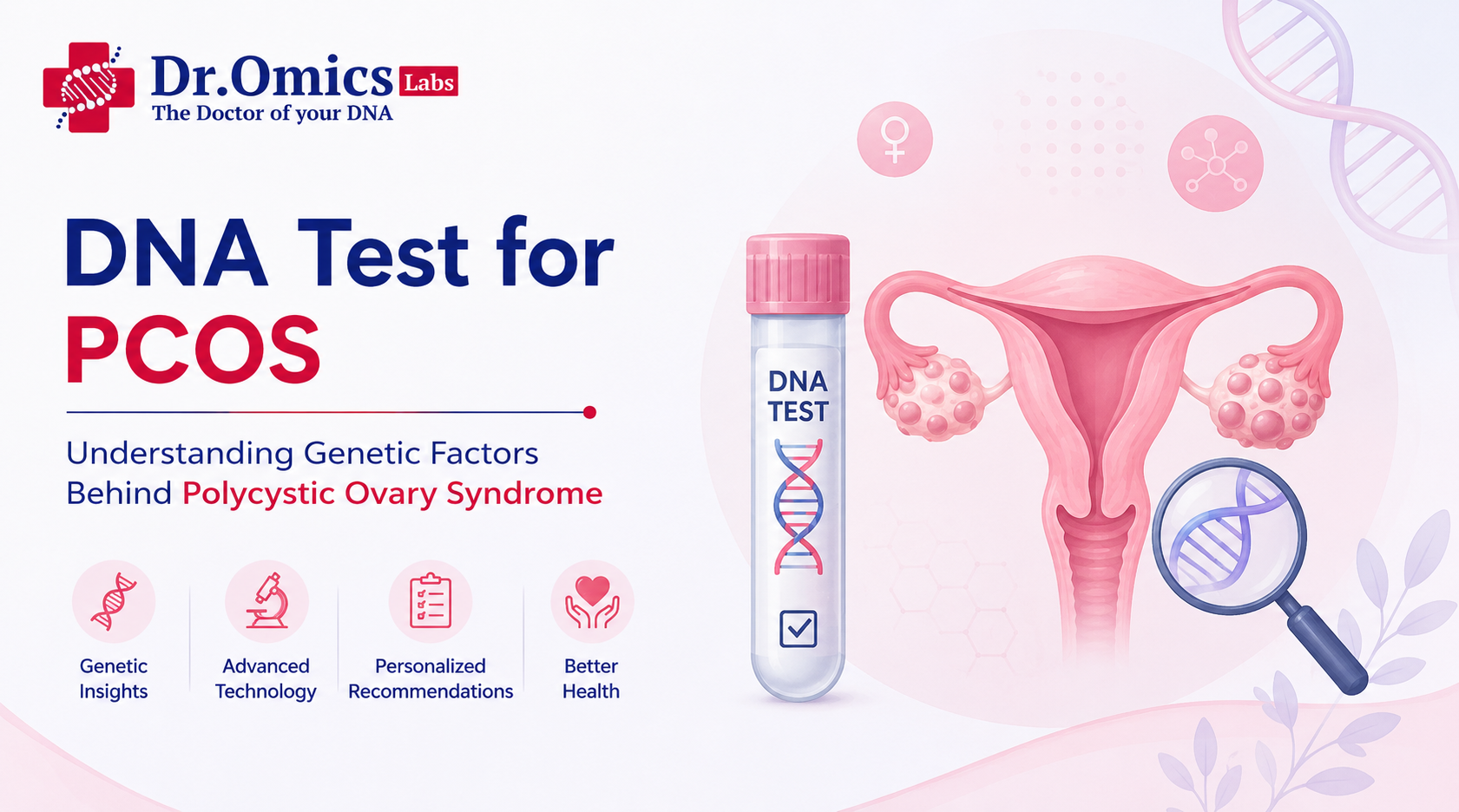
Polycystic Ovary Syndrome (PCOS) affects millions of women and is one of the leading causes of hormonal imbalance, irregular menstrual cycles, infertility, and metabolic disorders. While lifestyle and environmental factors contribute to PCOS, research shows that genetics also plays a significant role in determining an individual’s risk.
Can a DNA Test Help Identify PCOS Risk?
A DNA test for PCOS in India can analyze specific genetic variations associated with hormone regulation, insulin sensitivity, inflammation, and ovarian function. Rather than diagnosing PCOS directly, genetic testing helps identify an individual’s inherited susceptibility, allowing for early monitoring and personalized healthcare decisions.
Key Genetic Factors Linked to PCOS
Several genes have been associated with polycystic ovary syndrome genetics, including those involved in:
- Androgen production and hormone regulation
- Insulin resistance genetics in PCOS
- Ovarian follicle development
- Metabolic and inflammatory pathways
Tests such as the androgen receptor gene test and other genomic markers contribute to building a comprehensive genetic PCOS risk profile.
Benefits of PCOS Genetic Testing
- Early identification of inherited PCOS risk
- Better understanding of hormonal imbalance genomics
- Personalized lifestyle and nutrition recommendations
- Improved reproductive health planning
- Support for preventive healthcare strategies
DNA Testing for Women’s Health in India
Modern women health DNA tests in India are becoming increasingly accessible, offering valuable insights into reproductive health and genetic predisposition to conditions like PCOS. A comprehensive PCOS gene test in India can complement clinical evaluation, hormone testing, and ultrasound findings to provide a more complete picture of an individual’s health.
Conclusion
Understanding the genetic basis of PCOS empowers women to make informed healthcare decisions. While genetic testing does not replace medical diagnosis, it provides valuable information about inherited risk, helping clinicians develop more personalized prevention and management strategies. As precision medicine advances, DNA-based insights are becoming an important part of women’s reproductive healthcare.

