
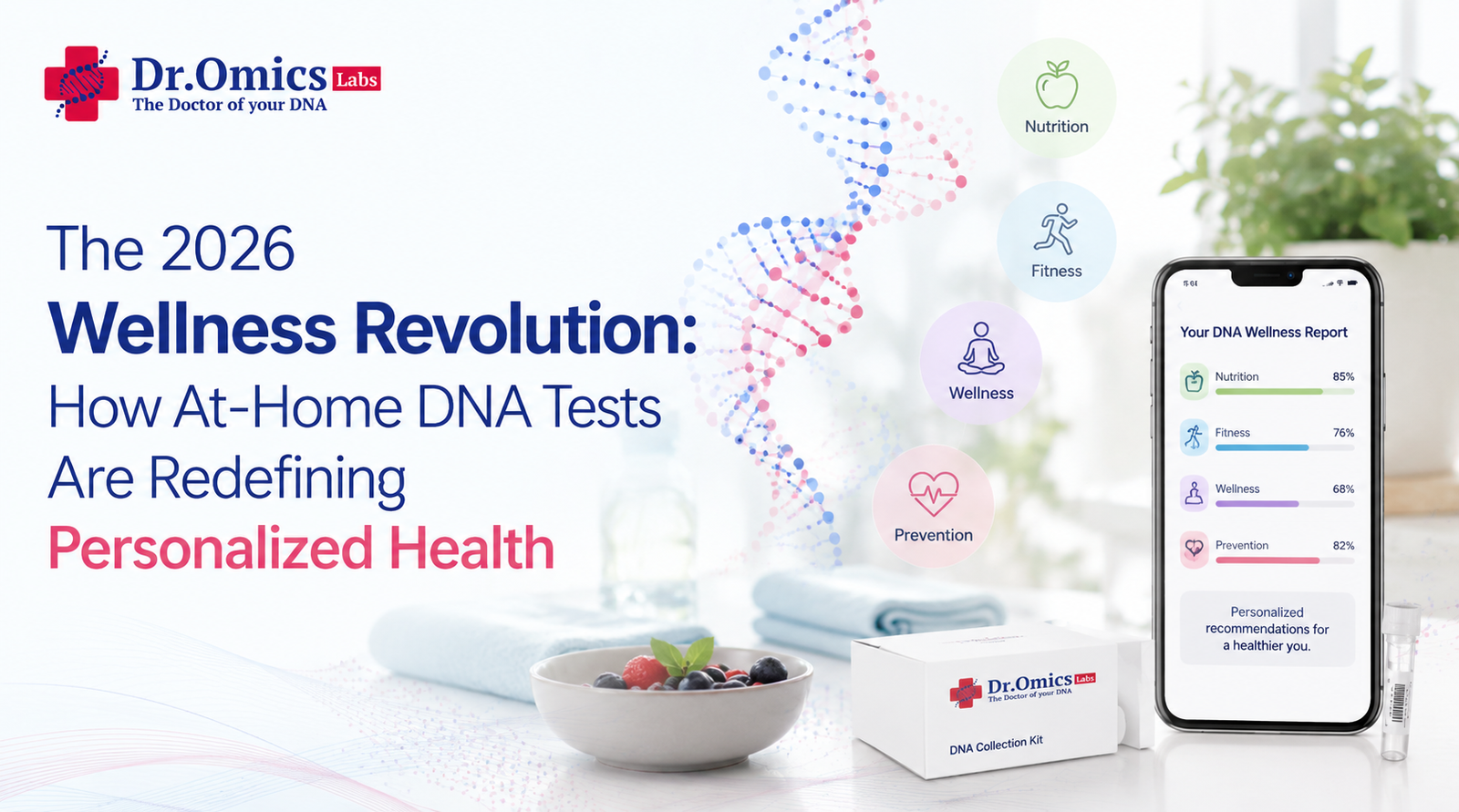
Healthcare in 2026 has undergone a remarkable transformation. Moving away from the traditional model of treating illnesses only after symptoms appear, individuals are now embracing proactive, science-backed wellness strategies powered by their own genetic
blueprints. At the heart of this shift is the wellness DNA test—a revolutionary tool that turns personal biology into an actionable roadmap for health.
Understanding Wellness DNA Testing
A wellness DNA test analyzes specific genetic markers linked to nutrition, metabolism, fitness, and disease susceptibility. Unlike diagnostic clinical tests, these tools focus on lifestyle optimization. By examining markers related to nutrient absorption, sleep cycles, stress resilience, and weight management, these tests empower users to make decisions tailored to their unique biological makeup rather than following generic advice.
The Power of Nutrigenomics and Epigenetics
One of the most impactful areas of this revolution is **nutrigenomics**. This field studies how genes dictate our body’s response to food. Because genetics influence how we process proteins, fats, and vitamins, two people can follow identical diets with vastly different results.
Nutrigenomics provides precise data on caffeine metabolism, lactose tolerance, and micronutrient needs, allowing for highly efficient, personalized nutrition plans. Beyond the static genome, we have entered the era of **DNA methylation testing**. This evaluates epigenetic markers to determine “biological age”—a measure of how lifestyle factors like stress, sleep, and exercise have affected the body’s aging process. Monitoring biological age over time allows users to track the real-world impact of their wellness interventions.
Lifestyle and Preventive Planning
Modern genetic testing extends into daily habits. A lifestyle DNA test examines traits influencing exercise recovery, muscle composition, and cognitive performance. This data helps individuals tailor their training routines and sleep hygiene for maximum recovery and longevity.
Furthermore, **preventive genetic testing** is shifting the healthcare paradigm. By identifying inherited predispositions to certain health conditions, these tests do not diagnose, but they do illuminate potential risks. This awareness acts as a catalyst for early action, enabling individuals to schedule targeted screenings, adjust habits, and collaborate with healthcare providers on long-term prevention strategies.
Pharmacogenomics: Precision Medicine
Pharmacogenomics represents another breakthrough, analyzing how genetic variations influence medication response. Because individuals metabolize drugs at different rates, knowing one’s genetic profile can help healthcare providers select medications that are safer and more effective. This component of personalized medicine should always be managed in consultation with a qualified clinician.
A Holistic Approach
Today’s consumers demand comprehensive solutions. Holistic DNA testing integrates these diverse fields—nutrition, fitness, stress management, and risk assessment—into one cohesive profile. As AI and wearable technology converge with genomic analysis, DNA health screening will become even more integrated into our daily lives. While these tests provide powerful insights, they are intended to complement, not replace, regular medical checkups and professional advice. By combining genetic data with a commitment to healthy habits, individuals in 2026 are taking control of their wellness journey, moving toward a future defined by precision, prevention, and personalization.

