
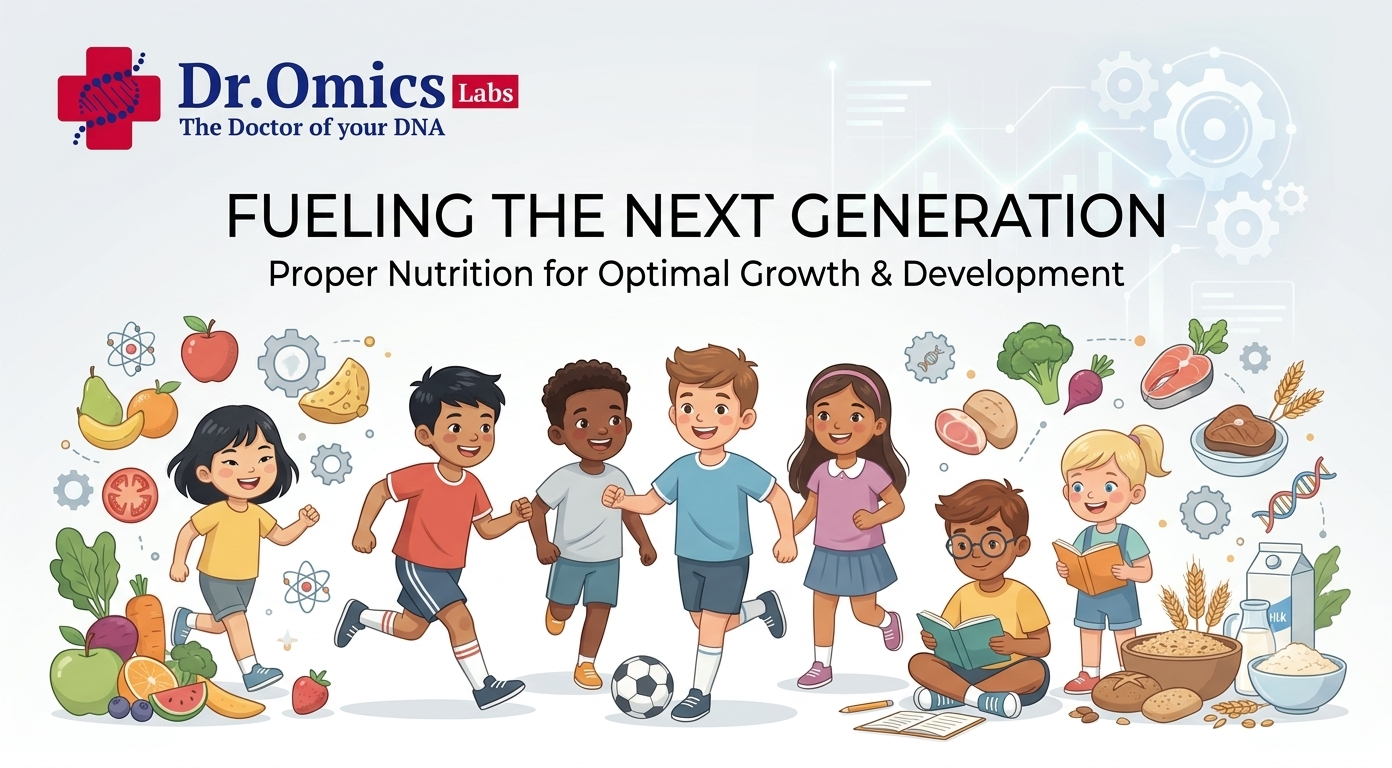
As parents, one of the greatest priorities is ensuring children grow into healthy, happy, and resilient individuals. While regular exercise, quality sleep, and a balanced diet remain the cornerstones of child health, every child is biologically unique. Some children require more of certain nutrients, others may be predisposed to food sensitivities, and some naturally metabolize vitamins and minerals differently. This is where genetics is revolutionizing pediatric nutrition. A child DNA test offers valuable insights into a child’s unique genetic makeup, helping parents move beyond generalized nutrition advice and embrace a truly personalized approach to health.
Understanding the Role of Genetics in Child Nutrition
Nutrition is more than simply eating fruits, vegetables, proteins, and whole grains. The body’s ability to digest, absorb, transport, and utilize nutrients is influenced by genetics. Through pediatric genetic testing, families can better understand how their child’s genes affect nutrient metabolism, food preferences, immune function, and overall growth.
A comprehensive kids DNA test can identify inherited traits that impact the absorption of essential nutrients such as Vitamin D, Vitamin B12, calcium, folate, iron, and omega-3 fatty acids. Rather than guessing which supplements or dietary adjustments are necessary, parents can make informed decisions backed by science. This personalized approach helps children receive the right nutrients at the right time, supporting healthy physical and cognitive development.
Personalized Nutrition for Every Child
The emerging field of children nutrition DNA is transforming how pediatric wellness is managed. Instead of following broad dietary recommendations, parents can tailor meal plans according to their child’s genetic profile.
Solutions such as the Little Genie DNA test provide detailed reports that highlight nutritional needs, metabolic tendencies, and wellness traits. These insights enable parents to create balanced diets that match their child’s biology, reducing nutritional gaps while promoting healthy eating habits from an early age.
A DNA test for child development may also reveal genetic markers associated with bone health, muscle development, energy metabolism, and brain function. When combined with routine pediatric care, these insights can contribute to healthier developmental outcomes throughout childhood.
Supporting Growth Through Pediatric Genomics
Growth is influenced by a combination of genetics, nutrition, environment, and lifestyle. Pediatric genomic profiling allows healthcare professionals to better understand how a child’s genes interact with these factors.
Children may have varying genetic requirements for vitamins and minerals that are essential for height, bone density, immune strength, and cognitive performance. By identifying these differences early, parents can provide nutritional support that aligns with their child’s individual biology.
A personalized genetic diet for kids focuses on delivering the nutrients a child is genetically predisposed to require while encouraging healthy food choices that can last a lifetime. Rather than restrictive dieting, this approach promotes balanced, sustainable nutrition tailored to each child.
Managing Food Sensitivities and Allergies
Food allergies and intolerances affect millions of children worldwide. While genetics cannot diagnose allergies, a child allergy DNA test can identify inherited predispositions that may increase the likelihood of developing certain sensitivities.
Understanding these risks allows parents to monitor symptoms more closely, discuss concerns with pediatricians, and make informed dietary decisions. Early awareness can support healthier eating habits while helping families avoid unnecessary dietary restrictions.
Building a Strong Foundation for Lifelong Wellness
A comprehensive pediatric wellness DNA assessment goes beyond nutrition. It can provide insights into metabolism, immunity, physical activity response, and overall wellness traits that influence a child’s long-term health.
Similarly, a kids health DNA test empowers parents with scientifically supported information that helps them make proactive lifestyle choices. Instead of reacting to health concerns after they develop, families can adopt preventive strategies that encourage lifelong wellness.
As genetic testing for children becomes increasingly accessible, it is becoming an important tool in preventive healthcare. These tests do not predict a child’s future with certainty but instead offer valuable guidance that complements medical advice and healthy lifestyle practices.
Understanding Growth and Development
Every parent wonders whether their child is growing at the expected pace. While nutrition plays a major role, genetics also significantly influence growth patterns.
A child growth DNA test can provide insights into genetic factors associated with physical development, nutrient utilization, and bone health. This information helps parents understand their child’s natural growth potential while supporting healthy development through appropriate nutrition and lifestyle choices.
Likewise, a DNA test for kids’ nutrition helps identify the nutrients that may require greater attention, allowing parents to optimize meal planning without relying solely on trial and error.
The Future of Personalized Pediatric Care
Genetics is also improving medication safety through pediatric pharmacogenomics. This field studies how a child’s genes influence their response to medications, helping healthcare providers select treatments that are both safer and more effective when medications become necessary.
When combined with nutritional guidance and regular pediatric care, pharmacogenomic insights contribute to a more personalized healthcare experience throughout childhood.
Conclusion
Proper nutrition remains the foundation of healthy childhood development, but genetics is helping families make even smarter decisions. A child DNA test provides personalized insights that support nutrition, growth, immunity, and overall wellness. Whether through pediatric genetic testing, children nutrition DNA analysis, or advanced pediatric genomic profiling, parents now have access to information that can help optimize their child’s health journey.
Personalized nutrition is not about replacing healthy habits—it is about enhancing them with science. By combining balanced diets, active lifestyles, routine pediatric care, and genetic insights from solutions like the Little Genie DNA test, families can build a stronger foundation for lifelong health, ensuring every child has the opportunity to grow, thrive, and reach their fullest potential.

