
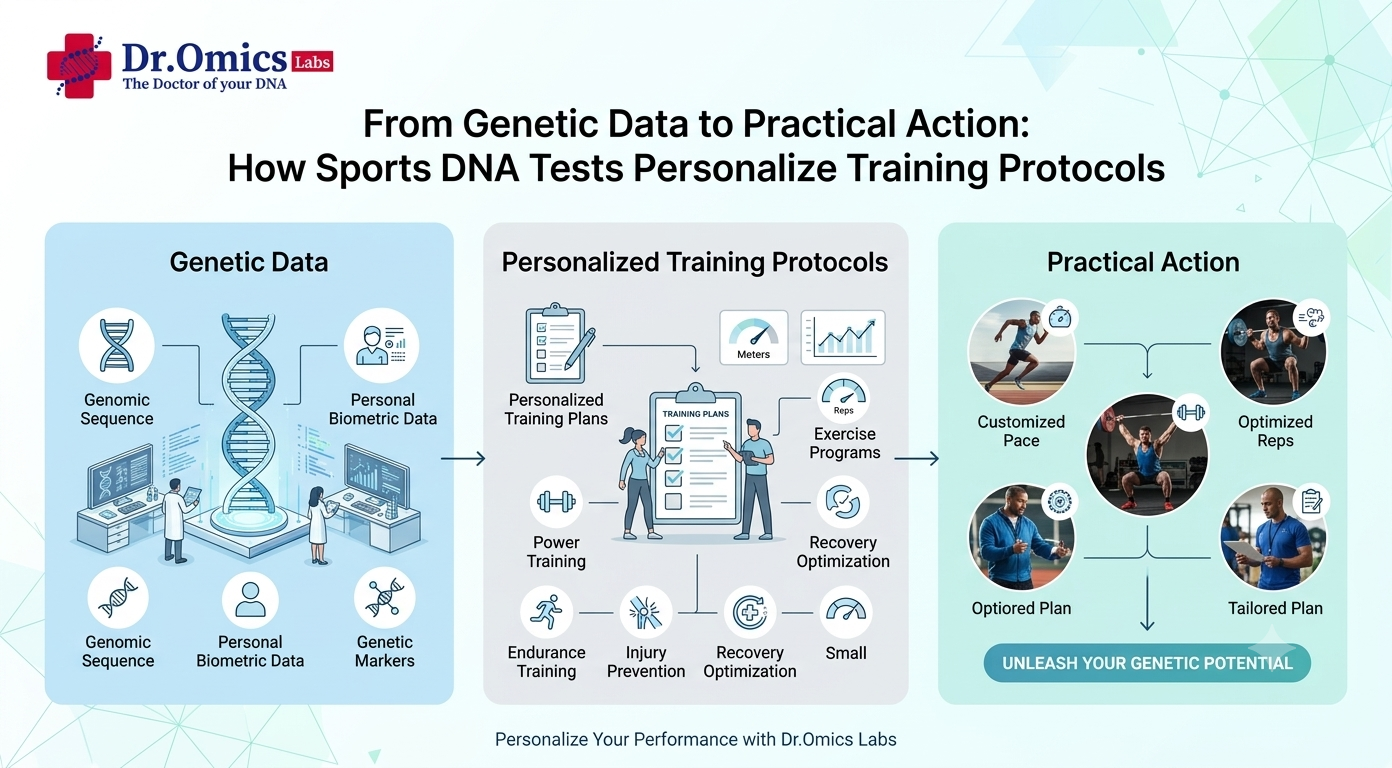
In the world of modern fitness and elite competition, training is no longer based solely on trial and error. Thanks to advances in sports genomics, athletes, coaches, and fitness enthusiasts can now use genetic insights to make more informed training decisions. A sports DNA test provides valuable information about how your body responds to exercise, recovery, and nutrition, allowing you to create a more personalized fitness strategy.
What Is a Sports DNA Test?
A sports DNA test analyzes specific genetic markers associated with physical performance, muscle composition, endurance, injury susceptibility, and recovery. Unlike generic fitness plans, an athlete DNA test helps identify the biological traits that influence your unique athletic potential.
These insights are based on athletic performance genetics, enabling athletes to train smarter rather than simply training harder.
Turning Genetic Data into Action
The real value of genetic fitness testing lies in applying the results to everyday training. A comprehensive fitness DNA test can guide decisions such as:
- Selecting workouts that match your genetic strengths.
- Adjusting recovery periods based on your body’s repair capacity.
- Optimizing nutrition to support muscle growth and performance.
- Reducing the likelihood of sports-related injuries.
Instead of following a one-size-fits-all routine, DNA for sports performance helps build a customized training protocol that aligns with your genetics.
Key Genes That Influence Performance
Among the most studied markers is the ACTN3 gene test, often called the “speed gene.” Variants in this gene influence fast-twitch muscle fibers, making it valuable for understanding sprinting and explosive power.
Similarly, the ACE gene test helps evaluate whether your genetics are better suited for endurance-based activities or power-focused sports. Together, these tests provide valuable insights into endurance vs power genetics, helping athletes select training methods that complement their natural abilities.
A muscle genetics test can also reveal differences in muscle composition, strength development, and exercise response, making resistance training programs more effective.
Recovery and Injury Prevention
Performance isn’t only about training intensity—it also depends on how efficiently your body recovers. A recovery genetics test identifies genetic variations linked to inflammation, muscle repair, and recovery speed. Athletes can use this information to plan rest days, recovery sessions, and nutritional support more effectively.
An injury risk DNA test highlights inherited factors associated with tendon, ligament, and connective tissue health. While genetics cannot predict every injury, understanding your risks allows coaches and athletes to strengthen vulnerable areas and modify training loads.
The Future of Personalized Athletic Performance
As genetic research continues to evolve, sports talent DNA analysis is becoming an increasingly valuable tool for athletes of every level—from beginners to professionals. A workout genetics test doesn’t determine success on its own, but it provides a scientific foundation for smarter decision-making.
When combined with consistent training, proper coaching, balanced nutrition, and adequate recovery, genetic insights can significantly improve performance outcomes. Rather than replacing hard work, genetics helps ensure that every workout is more targeted and effective.
Ultimately, personalized training is about making informed choices. By understanding your unique genetic profile through a sports DNA test, you can develop a training protocol that maximizes strengths, supports recovery, minimizes injury risk, and unlocks your full athletic potential.