
Navigating weight loss and wellness can often feel like an endless cycle of trial and error. You might wonder: can DNA tell if a keto or low-fat diet is right for you? Why do some people lose weight easier genetically while others struggle with stubborn plateaus? The answers lie hidden within your genetic code. Through advanced multi-omic genomic profiling, modern science is shifting away from generic dietary advice toward hyper-personalized health optimization.
Decoding Obesity Risk and Metabolic Blueprints
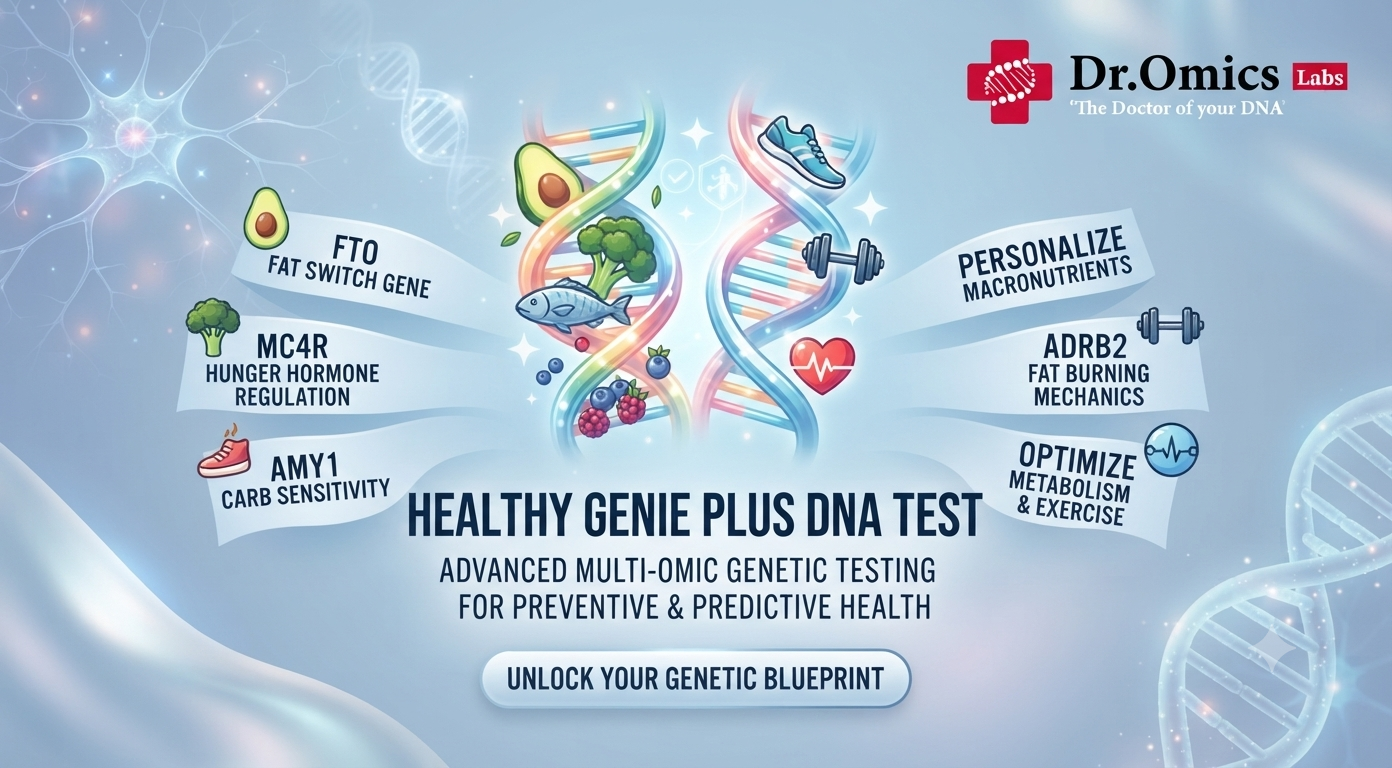
Understanding how genetics affects obesity risk starts with looking at specific variations in your DNA. For instance, the FTO fat switch gene plays a massive role in regulating energy balance, appetite, and fat storage. Variants of this gene can dictate whether your body clings to calories or burns them efficiently. Similarly, people often ask: is slow metabolism genetic? Genomic evaluations examine how specific markers dictate your basal metabolic rate and how your body responds to dynamic environmental stressors.
Appetite and behavioral triggers are equally rooted in our biology. You might question how MC4R affects hunger hormones. The MC4R gene heavily influences central nervous system signaling regarding satiety, dictating how quickly you feel full after a meal. Combined with insights into whether DNA can predict emotional eating, genetic profiles reveal behavioral tendencies toward stress-snacking, sweet preferences, or compulsive eating patterns.
Mapping Macronutrient Tolerances and Fat Burning
Every body processes fuels differently, making it crucial to look at specific metabolic markers:
- Carbohydrate Tolerance: Wondering what is the AMY1 carb sensitivity gene? The AMY1 gene determines the amount of salivary amylase you produce, directly showing your carbohydrate tolerance and ability to process starchy foods efficiently.
- Fat-Burning Mechanics: Curious how ADRB2 influences fat burning? Variations in the ADRB2 gene alter your adrenergic receptors, impacting how effectively your body mobilizes fat during aerobic exercise and physical activity.
- Storage Tendencies: Understanding what genes affect fat storage helps clarify why certain individuals accumulate adipose tissue faster under high-fat or high-carbohydrate conditions.
Leveraging Advanced Tools for Targeted Wellness
When evaluating whether a DNA test can help weight loss, the transition from raw data to actionable execution is vital. Metabolic DNA testing evaluates how your body responds uniquely to specific macronutrient distributions. By utilizing specialized frameworks like how to use Slim Genie for weight loss, individuals can map their distinct genomic profile to pinpoint matching diet types—whether that leans toward Mediterranean, low-carb, or balanced fat configurations.
People often ask: how accurate are DNA diet tests and does DNA determine diet response? High-tier panels utilize dense single nucleotide polymorphism (SNP) genotyping to map out precise biochemical pathways. This allows you to personalize macronutrients with DNA, optimize vitamin absorption, and fine-tune exercise regimens to match your exact physiological blueprint.
The Bottom Line
Investing in a genomic health roadmap answers the ultimate question: is a DNA weight loss test worth it? By replacing frustrating guesswork with precise, multi-omic biological data, the Healthy Genie Plus DNA Test empowers you to work with your biology rather than against it. Transitioning to a preventive, predictive lifestyle ensures that your diet, fitness, and wellness routines are as unique as your fingerprint, driving sustainable long-term health success.

