
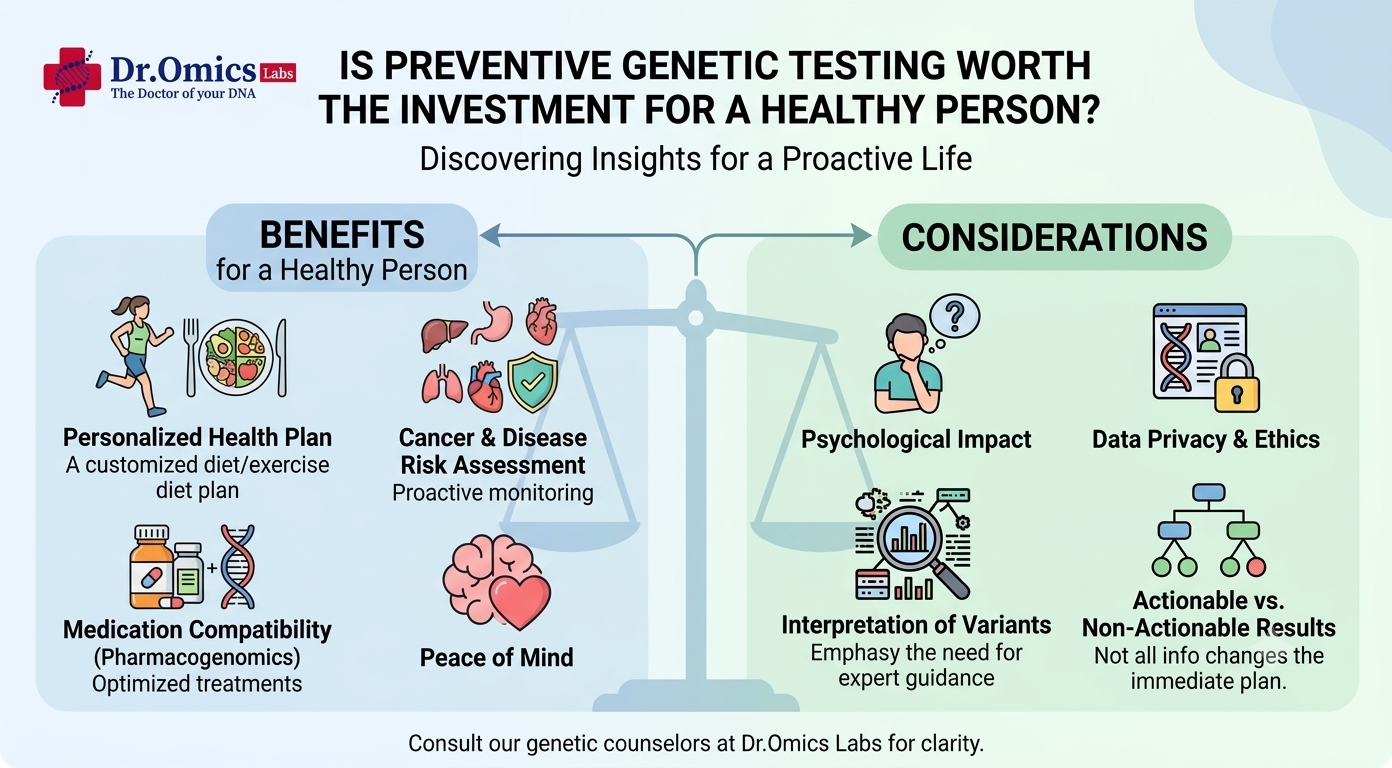
Preventive healthcare is rapidly evolving, and one of the biggest innovations is genetic testing. Instead of waiting for symptoms to appear, many healthy individuals are choosing DNA-based wellness tests to better understand their bodies and make proactive lifestyle decisions. But is preventive genetic testing worth it if you’re already healthy? The answer depends on what you hope to gain—but for many people, the insights can be valuable for long-term wellness.
What Can a Wellness DNA Test Tell Me?
One of the most common questions is, what can a wellness DNA test tell me? Unlike medical diagnostic tests, wellness DNA tests analyze genetic markers associated with nutrition, metabolism, fitness, sleep, inflammation, aging, and other lifestyle-related traits. They help you understand how your genes may influence your body’s responses to diet, exercise, stress, and environmental factors.
How Does a DNA Health Test Work?
If you’re wondering how does a DNA health test work, the process is simple. Most tests require a saliva sample or cheek swab collected at home. The sample is analyzed in a certified laboratory to identify genetic variants linked to wellness traits. Advanced reports combine genetic science with evidence-based recommendations, making it easier to understand how to interpret DNA wellness results and apply them to your daily routine.
Can At-Home DNA Testing Be Trusted?
Many people ask, can at home DNA testing be trusted? Reputable providers use accredited laboratories and validated genetic analysis methods, making results highly reliable. However, the usefulness of the report depends on the company’s scientific standards and the quality of its interpretation. Choosing an established provider ensures greater confidence in your results.
Does DNA Testing Predict Disease Risk?
Another frequent concern is does DNA testing predict disease risk. DNA tests can estimate genetic predisposition for certain conditions, including whether a person may have an increased likelihood of developing cardiovascular disease or metabolic disorders. For example, can DNA test predict heart disease risk? Yes, certain genetic markers are associated with cardiovascular health, but genetics is only one part of the equation. Lifestyle, environment, and regular medical checkups remain equally important.
Personalizing Wellness with DNA
Modern wellness testing extends far beyond disease risk. What is nutrigenomics testing? Nutrigenomics studies how your genes interact with nutrients, helping explain why individuals respond differently to the same diet. This information can guide how to personalize wellness with DNA by optimizing nutrition based on your unique genetic profile.
Many users also ask, can DNA test show vitamin deficiencies. While DNA cannot measure your current vitamin levels, it can identify genetic variations that affect vitamin metabolism and nutrient absorption. Similarly, can DNA test detect food intolerances? It can identify genetic predispositions related to lactose sensitivity, caffeine metabolism, gluten response, and other dietary factors, though it cannot diagnose allergies.
Beyond Nutrition: Sleep, Inflammation, Medication, and Aging
Today’s advanced reports also answer questions like what does my DNA say about inflammation by identifying genes involved in inflammatory pathways. Understanding these markers may help guide healthier dietary and lifestyle choices.
You may also wonder, can DNA testing improve my sleep. Genetic insights can reveal variations associated with circadian rhythm, melatonin production, and sleep quality, helping individuals develop healthier sleep habits.
Another important area is how does pharmacogenomics work. Pharmacogenomics examines how genetic differences influence medication response, potentially helping healthcare providers select medications that are safer and more effective.
Aging research is another exciting field. How does genetics affect aging, and what is epigenetic testing? While inherited genes influence longevity, epigenetic testing evaluates biological changes that occur due to lifestyle and environmental factors. Combined with DNA methylation analysis, these tests can provide insights into biological aging and overall wellness. In fact, many people ask what does DNA methylation reveal—it offers valuable information about biological age and how lifestyle choices may be influencing long-term health.
Is Preventive Genetic Testing Worth the Investment?
So, how accurate are wellness DNA tests 2026? Advances in genomic sequencing, larger research databases, and improved interpretation algorithms have significantly increased the reliability of wellness-focused genetic testing. While no DNA test can predict your future with certainty, they provide meaningful insights that support informed health decisions.
Ultimately, is genetic testing for health safe? Yes, when performed by reputable providers with strong privacy protections and scientific validation. For healthy individuals, preventive genetic testing isn’t about predicting illness—it’s about understanding your biology earlier, making smarter lifestyle choices, and building a personalized strategy for lifelong wellness. Rather than replacing medical care, genetic testing serves as a powerful complement to preventive healthcare, empowering you to take control of your health before problems arise.

