
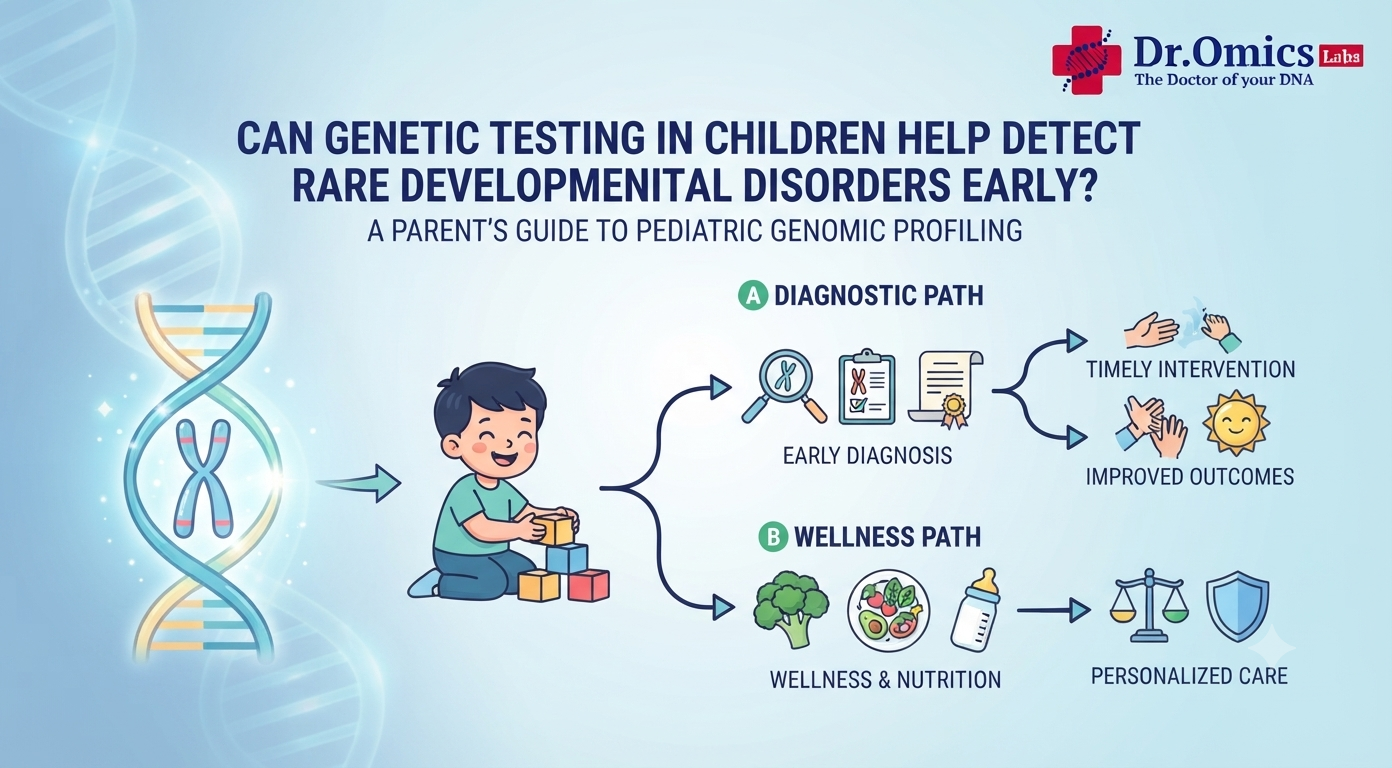
In recent years, the intersection of genetics and pediatrics has revolutionized how we approach early childhood health. For parents and clinicians alike, the question of whether genetic testing can detect rare developmental disorders early is no longer just theoretical—it is a clinical reality. However, navigating this field requires a clear understanding of what these tests can achieve, the ethical considerations involved, and the medical guidelines that govern their use.
Understanding Pediatric Genetic Testing
At its foundation, how does pediatric genetic testing work? It involves analyzing a child’s DNA to look for variations that may explain specific health concerns. When a child presents with unexplained developmental delays, clinicians often utilize advanced diagnostic tools. What is a chromosomal microarray test? This is a high-resolution technique used to detect small deletions or duplications of genetic material that are often linked to neurodevelopmental disorders. Similarly, is whole exome sequencing for kids effective? Yes, it is a powerful diagnostic tool that examines the protein-coding regions of all genes, significantly increasing the diagnostic yield for children with rare or complex conditions.
Clinical Utility vs. Wellness Testing
While diagnostic testing is used to identify the causes of medical conditions, many parents also encounter consumer-based “wellness” kits. Parents often ask, what can a child DNA test reveal? These tests can offer insights into nutrition and metabolism, such as can a DNA test show lactose intolerance in kids or can a DNA test identify child allergies? Regarding the latter, it is crucial to note that while genetics may show a predisposition, they are not a substitute for diagnostic allergy testing.
Another popular area is behavioral and lifestyle insights. The TAS2R38 picky eater gene, for instance, influences how children perceive bitter tastes, offering a genetic explanation for why some children are resistant to certain foods. Parents can use this to personalize child nutrition with DNA, shifting from forced feeding to tailored dietary strategies. Furthermore, regarding physical health, does DNA predict child obesity risk? While genetic factors contribute, obesity is complex and influenced heavily by environment and lifestyle.
Guidelines and Considerations
Is genetic testing for children recommended by doctors? Yes, when there is a clear medical indication, such as unexplained developmental delays. However, the American Academy of Pediatrics (AAP) guidelines for child DNA testing emphasize caution. They prioritize the “right to an open future,” advising that genetic testing for adult-onset conditions should generally be deferred until the child is old enough to provide informed consent.
Parents frequently ask, is DNA testing safe for children? Analytically, the process (usually a blood draw or cheek swab) is physically safe. The more pertinent question is: are kids’ DNA tests reliable? Clinical tests are highly reliable, but the utility of consumer-grade wellness tests varies. What age is best for child genetic testing? This is determined by clinical necessity; if a child shows symptoms of a developmental delay, early testing is often encouraged to initiate timely interventions. How much does a child DNA test cost? This varies greatly; clinical diagnostic tests are often covered by insurance if medically necessary, whereas consumer wellness tests are out-of-pocket expenses.
Navigating the Conversation
If you decide to proceed with testing, how to explain a DNA test to a child? Keep it simple: frame it as a way to learn more about how their body works and how to help them grow and stay healthy. By focusing on supportive care, parents can reduce anxiety and ensure the process remains a positive experience.
Conclusion
Genetic testing has transformed our ability to detect rare developmental disorders early, providing families with answers and, more importantly, a path toward targeted therapeutic interventions. Whether through pediatric genomic profiling or specific diagnostic tools, the power of genetics to help child growth and developmental outcomes is undeniable. However, it is essential to distinguish between clinical diagnostics and general wellness screening. Always prioritize the advice of a pediatrician or genetic counselor, ensure that testing aligns with medical guidelines, and view these insights as one part of a holistic approach to supporting your child’s health and well-being.

