
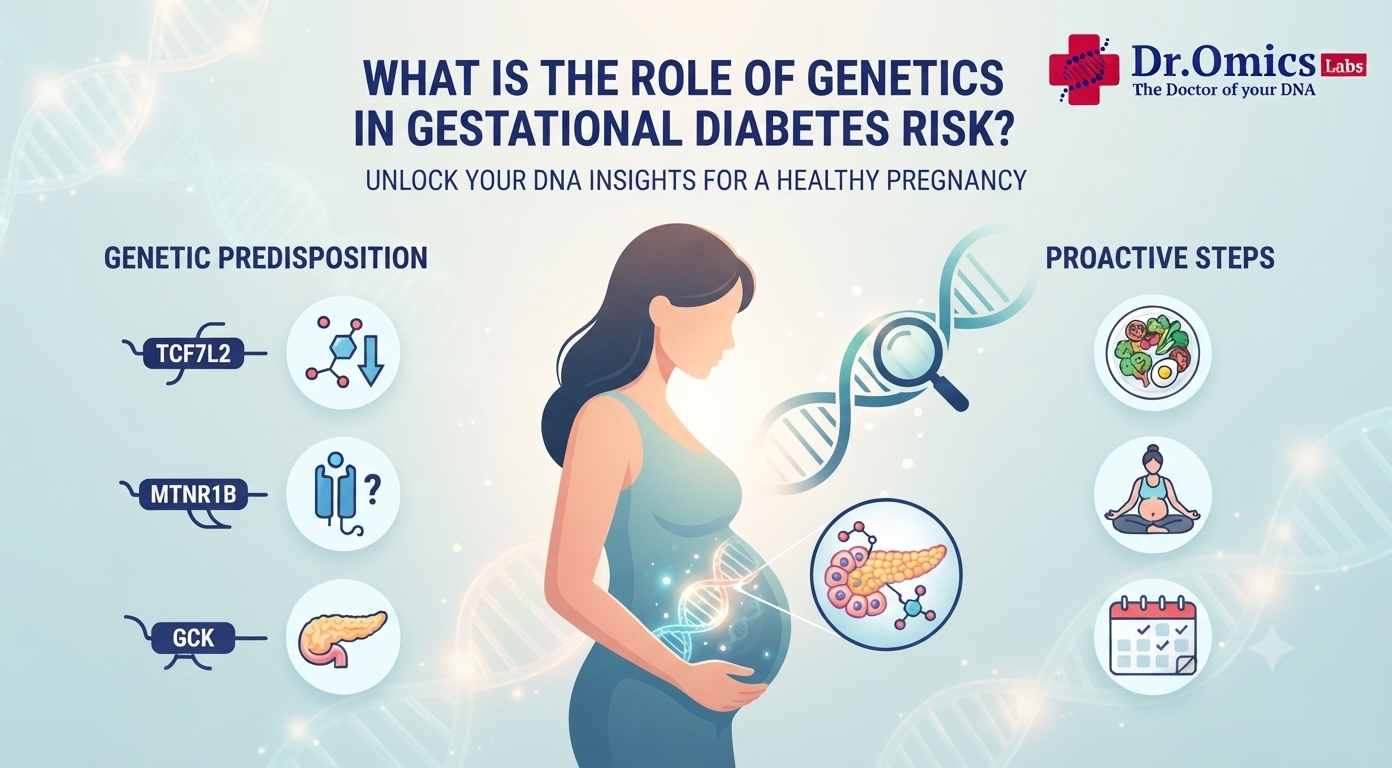
Gestational diabetes mellitus (GDM)—characterized by abnormal glucose tolerance first identified during pregnancy—is a complex metabolic condition. While lifestyle factors like diet and physical activity are significant, the condition has a strong heritable component. Understanding the role of genetics not only sheds light on why some individuals are more susceptible than others but also opens doors to personalized approaches for managing pregnancy health.
The Genetic Architecture of GDM
GDM is polygenic, meaning it is influenced by variations in multiple genes rather than a single mutation. These genetic variations often affect insulin production in pancreatic beta cells or influence the body’s sensitivity to insulin.
Many of the genes associated with GDM are the same ones implicated in Type 2 diabetes, such as MTNR1B, TCF7L2, GCK, and CDKAL1. For example, variations in the TCF7L2 gene—well-known in diabetes research—have been linked to GDM risk in certain populations. Additionally, emerging research highlights the influence of other markers, including HNF1A, IGF2BP2, and PPARG. Because the placenta is formed using DNA from both parents, some researchers suggest that paternal genetics may also indirectly influence placental function and, consequently, maternal GDM risk.
Can DNA Testing Predict Risk?
While genetic testing can identify predispositions, it is important to note that it does not provide a definitive “yes” or “no” diagnosis for GDM. Instead, genetic testing for diabetes helps evaluate individual risk factors. By analyzing specific markers, such as those related to folate metabolism (e.g., the MTHFR gene), healthcare providers can gain insights into a woman’s metabolic vulnerabilities.
Current diagnostic standards still rely on traditional clinical markers like the oral glucose tolerance test (OGTT). However, latest breakthroughs in diabetes genomics are exploring novel, non-glycemic biomarkers—including cell-free DNA, microRNAs, and DNA methylation patterns—to predict GDM as early as the first trimester. These advancements aim to move toward a model of precision medicine where interventions can begin before hyperglycemia manifests.
From Insights to Action
Understanding one’s genetic predisposition should not be a cause for alarm but a catalyst for proactive health management. If testing indicates an increased risk, it allows for:
- Personalized Monitoring: Closer tracking of blood sugar levels under the guidance of a healthcare provider.
- Targeted Lifestyle Changes: Implementing a balanced diet rich in whole foods and maintaining regular, moderate physical activity like prenatal yoga or walking.
- Early Intervention: Utilizing medical guidance to modify care plans early, which can reduce the period of fetal exposure to high glucose levels.
It is vital to consult with a healthcare professional when interpreting these results. They can help contextualize genetic data within your personal and family medical history.
Conclusion
The role of genetics in gestational diabetes is multifaceted, acting as a background “buffer” that determines how efficiently your body adapts to the physiological demands of pregnancy. While we cannot change our DNA, knowing our genetic predispositions provides a powerful tool for empowerment. By combining these genomic insights with healthy lifestyle choices, expectant mothers can take a proactive, personalized approach to protect their health and that of their baby. As research continues to uncover the complex interplay between our genes and our environment, the future of GDM management lies in leveraging these discoveries to offer earlier, more accurate, and highly individualized care.

