
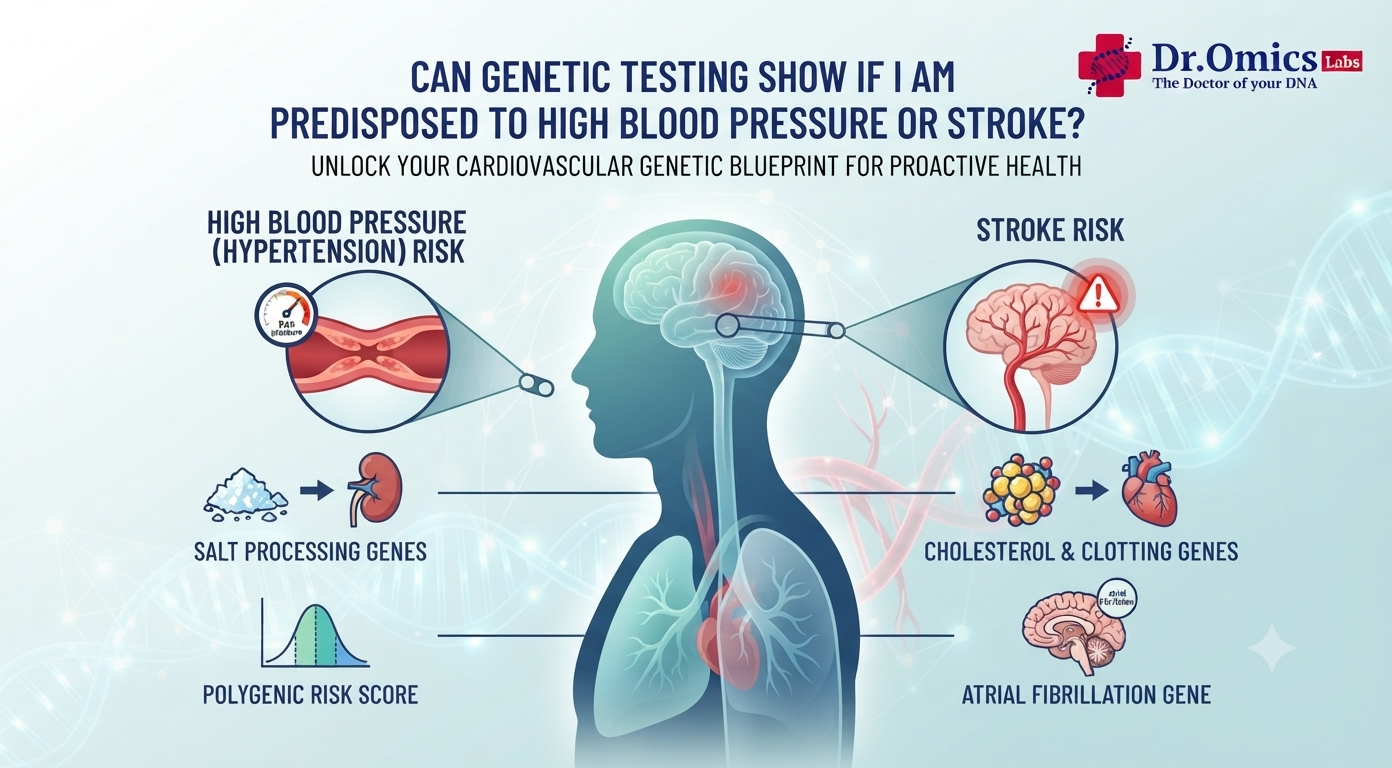
In the pursuit of proactive health, many individuals are turning to their DNA to understand their vulnerability to chronic conditions like high blood pressure (hypertension) and stroke. While these conditions are often influenced by lifestyle factors such as diet, exercise, and smoking, genetics also plays an important role in determining cardiovascular health. Genetic testing for hypertension and stroke risk can provide insights into inherited risk factors and help support personalized preventive healthcare.
The Genetic Link to Hypertension
High blood pressure is a complex, polygenic condition influenced by thousands of genetic variants. Research has identified several genomic regions that contribute to blood pressure regulation.
- How Genes Affect Blood Pressure: Certain genes influence how the kidneys regulate salt and water. Genetic variations affecting these processes may increase the likelihood of developing hypertension.
- Polygenic Risk Scores: A polygenic risk score for hypertension combines the effects of multiple genetic variants to estimate an individual’s inherited risk. It helps identify people who may have a higher genetic susceptibility to high blood pressure.
- Early Intervention: Understanding your genetic predisposition to hypertension can encourage early monitoring and preventive lifestyle changes.
Genetics and Stroke Predisposition
Stroke risk is influenced by several environmental, lifestyle, and genetic factors. Genetic testing for stroke risk can help identify certain inherited conditions and biological pathways associated with stroke.
- Inherited Stroke Disorders: Rare genetic conditions such as CADASIL and CARASIL can directly affect small blood vessels in the brain, increasing stroke risk.
- Vascular Pathways: Genetic variations influence cholesterol metabolism, blood clotting, and heart and blood vessel function. For example, variations in the PITX2 gene are associated with atrial fibrillation, an important risk factor for ischemic stroke.
- Family History: A strong family history of stroke, particularly at a younger age, may indicate an inherited susceptibility. Understanding these genetic factors influencing stroke risk can help guide further clinical evaluation.
The Power of Personalized Prevention
Genetic testing for cardiovascular diseases is not a prediction of future illness, but it can provide useful information about inherited health risks.
- Tailored Strategies: Genetic risk information, combined with family history and clinical assessments, can help healthcare providers recommend appropriate screening, preventive measures, and treatment strategies.
- The Lifestyle Interaction: Genes do not determine health outcomes on their own. Regular physical activity, a balanced diet, maintaining a healthy weight, and avoiding smoking can help reduce cardiovascular risk, even in individuals with a higher genetic predisposition.
- Personalized Healthcare: Understanding your genetic risk of high blood pressure and stroke can support informed decisions about long-term cardiovascular health.
Conclusion
Genetic testing for hypertension and stroke risk provides valuable insights into the inherited factors that influence cardiovascular health. Although it cannot predict with certainty whether someone will develop these conditions, it can help identify potential predispositions when interpreted alongside family history and clinical eval

