
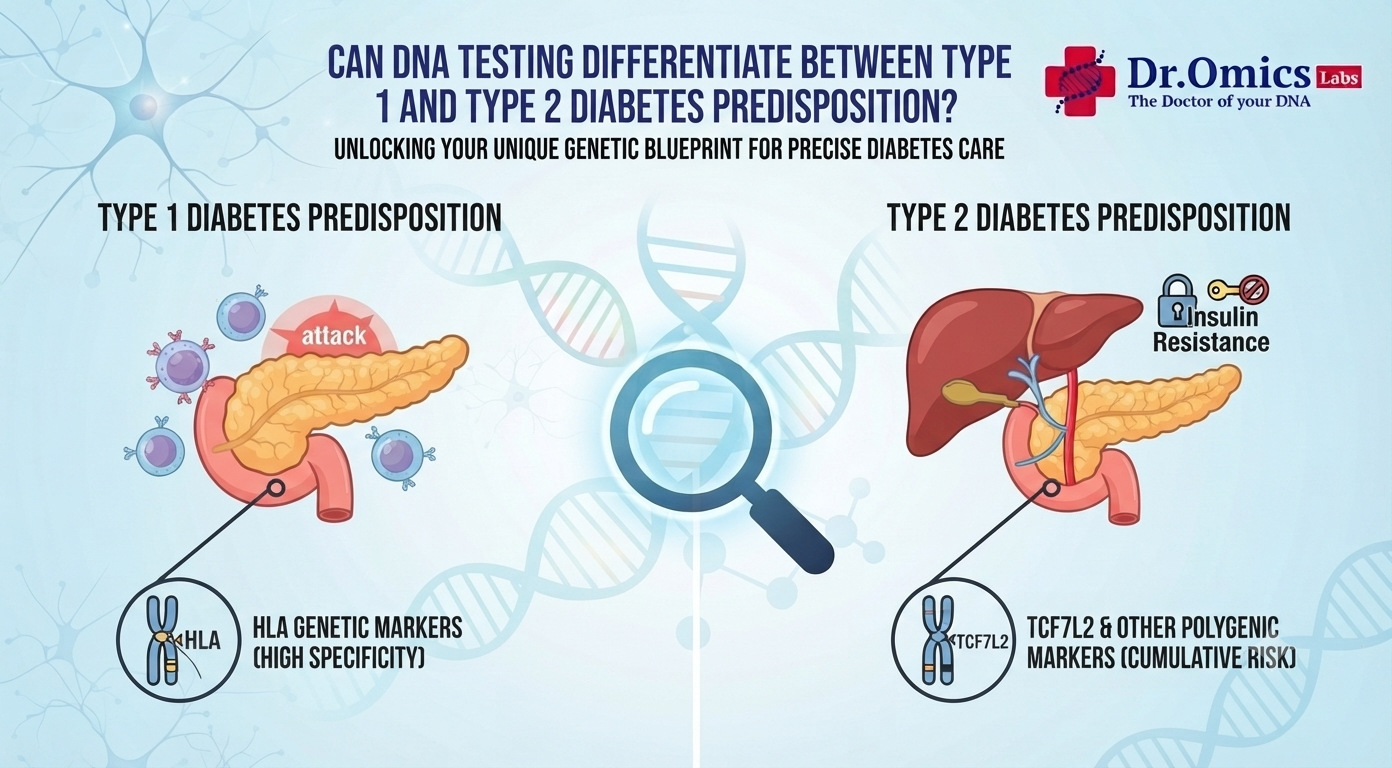
Diabetes is not a single disease, but a group of metabolic conditions that share a common outcome: chronic hyperglycemia. While Type 1 diabetes (T1D) and Type 2 diabetes (T2D) may present with similar symptoms, their underlying biological mechanisms—and their genetic blueprints—are vastly different. As we enter the era of precision medicine, understanding what is genetic testing for diabetes and its ability to distinguish between these two forms is becoming increasingly vital.
The Genetic Roots of Diabetes
The primary difference between Type 1 and Type 2 diabetes lies in their etiology. Type 1 diabetes is an autoimmune condition where the body’s immune system mistakenly attacks pancreatic beta cells. Type 2 diabetes is primarily driven by insulin resistance and relative insulin deficiency.
- Type 1 Diabetes Markers: The most significant genetic risk factors for T1D are found within the Human Leukocyte Antigen (HLA) region on chromosome 6. These genetic markers for Type 1 diabetes are highly specific and play a critical role in immune system regulation. Testing for these HLA variants can help differentiate T1D from other forms, especially in cases of “latent autoimmune diabetes in adults” (LADA), which is often misdiagnosed as T2D.
- Type 2 Diabetes Markers: T2D is highly polygenic, influenced by hundreds of common genetic variants. One of the most studied is the TCF7L2 gene for diabetes, which is a powerful predictor of T2D risk across many populations. Other genes affect carbohydrate metabolism, such as those involved in glucose transport, insulin signaling, and lipid processing, which collectively influence how the body maintains blood glucose levels.
Can Genetics Guide Diagnosis and Treatment?
Can DNA testing differentiate between T1D and T2D predisposition? Yes, by analyzing specific high-impact markers, clinicians can better categorize the disease. This is where latest breakthroughs in diabetes genomics are transforming clinical care.
Once the type of diabetes is identified, pharmacogenomics for diabetes can become effective. For example, knowing if a patient has specific genetic variants can help determine which diabetes medication based on DNA will be most effective, or help avoid drugs that may have adverse effects.
- Insulin Resistance: Can DNA show insulin resistance? Yes, by identifying variants that impact how the body responds to insulin, providers can tailor therapeutic strategies.
- Personalization: Physicians can personalize diabetes treatment with DNA by looking at how genetic profiles influence drug metabolism and glycemic response.
- Dietary Guidance: Can DNA test guide diabetes diet? Absolutely. Through the lens of nutrigenomics, patients can identify how they metabolize different macronutrients, potentially using nutrigenomics to reverse prediabetes by shifting dietary patterns to better align with their unique metabolic needs.
Is Testing Recommended?
Currently, is diabetes genetic testing recommended for the general population? Not necessarily. Its primary value lies in clinical scenarios where the diagnosis is unclear, such as distinguishing LADA from T2D, or in identifying maturity-onset diabetes of the young (MODY). How accurate are diabetes genetic tests? In clinical settings, they are highly reliable for identifying specific mutations or high-risk profiles. However, for the average person, the best way to understand risk remains looking at the interaction between family history and diabetes genes.
Conclusion
DNA testing serves as a powerful bridge between a symptomatic diagnosis and a molecular understanding of diabetes. While Type 1 and Type 2 diabetes may appear similar, their genetic foundations are distinct. By utilizing targeted testing, patients and doctors can clarify the diagnosis, implement lifestyle changes for diabetes genes that are truly personalized, and leverage diabetes DNA insights to prevent the onset of the condition. As our genomic tools become more refined, the ability to differentiate these conditions through DNA will remain a cornerstone of proactive, preventative, and highly personalized care.

