
Have you ever wondered why your friend can eat a high-carbohydrate diet and stay lean, while you seem to gain weight just by looking at a piece of bread? The answer may not lie solely in your willpower or daily workout routine; it could be written directly into your genetic code. Welcome to the world of nutrigenomics—a revolutionary field where science meets the dinner plate to create truly personalized nutrition.
What is Nutrigenomics and a DNA Nutrition Test?
Nutrigenomics is the study of how individual genetic variations interact with nutrients and diet. While the Human Genome Project mapped our entire genetic blueprint, science is now focusing on how specific single-nucleotide polymorphisms (SNPs)—common variations in our DNA—influence how our bodies process macronutrients, vitamins, and minerals.
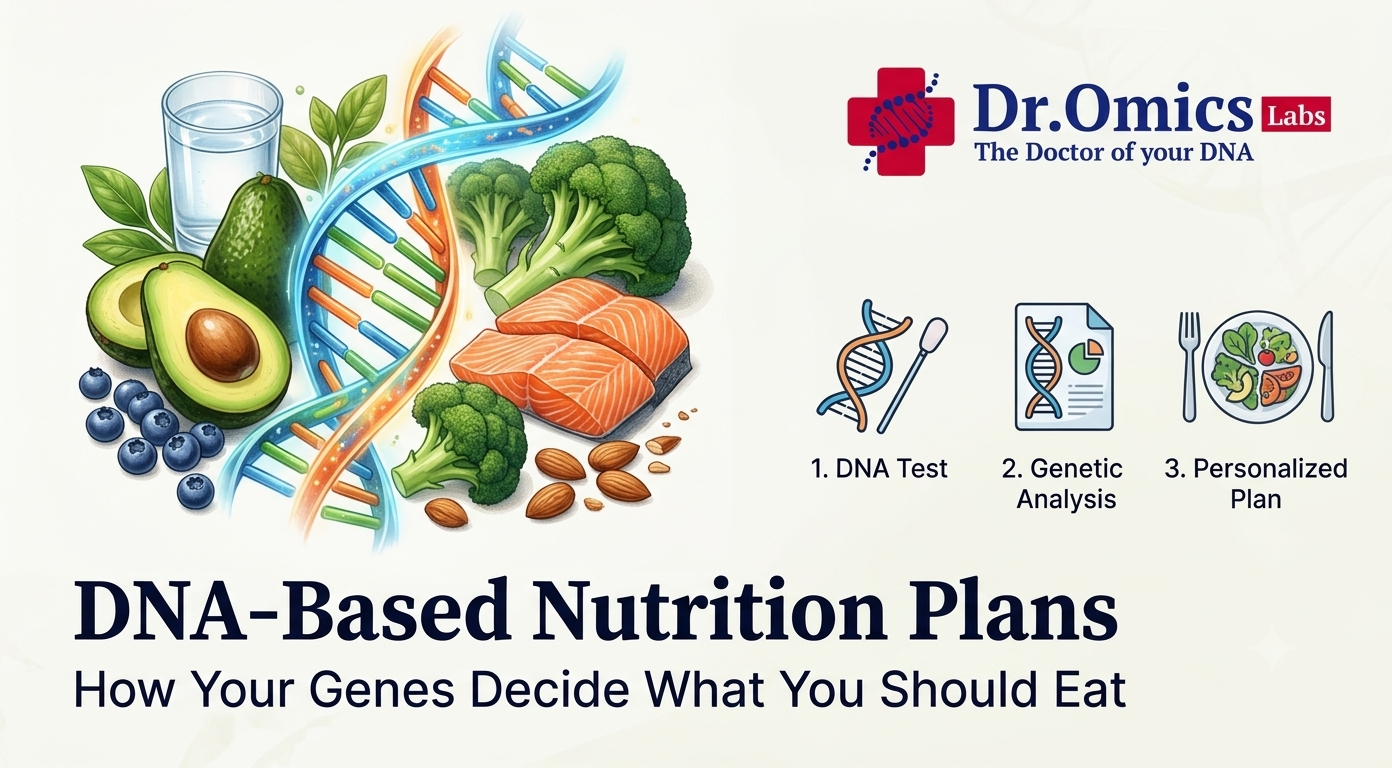
To unlock these insights, individuals turn to a DNA nutrition test. This process typically involves a simple cheek swab sent to a specialized laboratory. The lab analyzes your genetic markers related to metabolism, nutrient absorption, food sensitivities, and athletic response. The result is a comprehensive genetic profile that explains why your body reacts uniquely to certain foods.
From Genetic Data to a Nutrigenomics Diet Plan
Once you have your genetic data, the real journey begins: translating complex genetic letters into everyday meals. A nutrigenomics diet plan moves away from generic, one-size-fits-all dietary advice, such as standard low-fat or low-carb diets, and tailors your intake to your body’s actual biological needs.
For instance, your DNA might reveal how you metabolize fats. Some people carry gene variants that mean they thrive on a higher-fat, lower-carb ketogenic approach, while others process carbohydrates efficiently and do better on a balanced Mediterranean-style diet. Similarly, your genetics can show whether you have a higher predisposition to caffeine sensitivity, lactose intolerance, or elevated sodium-induced blood pressure. Armed with this insight, you can stop guessing and start eating according to your biology.
The Power of Personalized Nutrition DNA
Adopting a personalized nutrition DNA strategy offers several distinct advantages over traditional dieting:
- Targeted Supplementation: A standard multivitamin might not cover your specific needs. Genetic tests can highlight if you have mutations (such as in the MTHFR gene) that affect how you process folate or vitamin D, allowing you to target deficiencies accurately.
- Sustained Weight Management: Diets often fail because they fight against your biology. Eating in alignment with your genetic predispositions makes it easier to manage weight naturally.
- Proactive Health Optimization: Understanding your genetic responses to saturated fats, sugars, and antioxidants empowers you to make dietary choices that support long-term wellness, heart health, and metabolic efficiency.
Crafting Your Gene Based Meal Plan
Translating your test results into daily habits culminates in a gene based meal plan. Instead of restricting entire food groups out of frustration, this meal plan focuses on optimizing what you do eat based on cellular efficiency.
If your results show a slower clearance of caffeine, your plan will suggest cutting off coffee by noon. If your genes indicate a high need for omega-3 fatty acids to manage inflammation, your meal plan will emphasize wild-caught salmon, chia seeds, and walnuts. Breakfast, lunch, and dinner become personalized prescriptions designed to keep your energy stable, your mind sharp, and your body nourished.
Conclusion
The era of generic dieting is drawing to a close. We now know that our bodies process food through the unique lens of our DNA. By utilizing a DNA nutrition test and implementing a tailored nutrigenomics diet plan, you can stop following fleeting wellness trends and lean into your unique biological blueprint. Embracing personalized nutrition DNA and a structured gene based meal plan empowers you to take control of your health, optimize your daily energy, and make choices that truly work for your body.

