
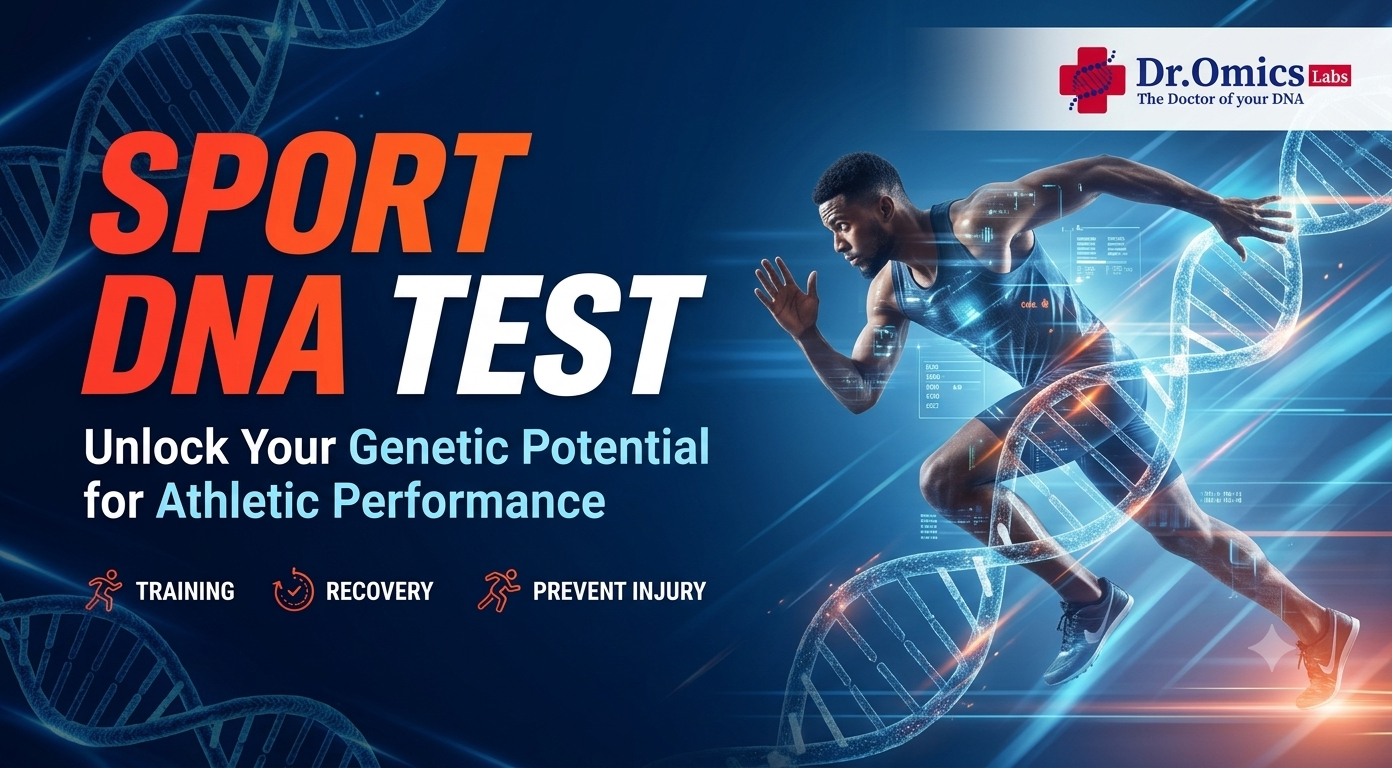
Every athlete trains hard, yet two people following the exact same workout and nutrition regimen often experience vastly different results. The reason lies deep within our cellular blueprint. A sport DNA test is transforming modern sports science by decoding how individual genetics influence stamina, speed, recovery, and injury resilience. Rather than relying on trial and error, athletes, coaches, and fitness enthusiasts can now align their training directly with their biology.
What Is Genetic Testing for Athletes?
Genetic testing for athletes is a simple, non-invasive screening—typically performed using a cheek swab or blood sample—that analyzes specific variations in an individual’s DNA. While hard work, discipline, and coaching remain indispensable, your genetic makeup dictates how efficiently your body responds to physical stress, absorbs nutrients, and repairs muscle tissue. By understanding these innate predispositions, athletes can customize their conditioning programs to maximize strengths and address biological vulnerabilities before they lead to burnout or injury.
Key Athletic Performance Genes Decoded
Scientists have identified more than a hundred athletic performance genes that govern physical traits. A comprehensive DNA panel typically evaluates several crucial markers:
- Muscle Fiber Composition (ACTN3): Often called the “sprint gene,” ACTN3 determines the ratio of fast-twitch to slow-twitch muscle fibers. Certain variants favor explosive power, sprinting, and heavy lifting, while others support sustained endurance activities like marathon running or cycling.
- Cardiovascular Endurance (ACE): The ACE gene regulates blood pressure and oxygen delivery to working muscles. Variations in this gene influence aerobic capacity (VO2 max) and how effectively the heart and lungs adapt to cardiovascular conditioning.
- Soft Tissue Injury Risk (COL5A1 and MMP3): These genes govern collagen production and tendon strength. Identifying higher susceptibility to Achilles tendonitis or ACL tears allows coaches to integrate targeted mobility and pre-habilitation routines.
- Recovery and Inflammation (IL6 and TNF): Post-workout inflammation determines how quickly muscles heal. Knowing your genetic recovery speed prevents overtraining by establishing optimal rest intervals between high-intensity sessions.
The Rise of Sports Genomics Test in India
India’s sporting landscape is rapidly embracing data-driven performance science. From grassroots academies to elite Olympic training centers, demand for a sports genomics test India has grown significantly as athletes seek a competitive edge on the global stage. Recent state-level sports genomics initiatives and specialized wellness laboratories across the country are now combining genetic profiling with physiology and sports nutrition. This shift enables Indian coaches to move beyond generic training templates and build precision conditioning models tailored to each athlete’s unique physiology.
Using a DNA Test for Sports Talent Identification
Parents and academies increasingly explore a DNA test for sports talent to guide young athletes toward disciplines suited to their natural physiology. For instance, a child with genetic markers favoring explosive power and rapid anaerobic recovery may thrive in track sprints, badminton, or weightlifting, whereas someone predisposed to superior oxygen utilization might excel in swimming or distance running. However, genetic insights should serve as a compass rather than a rigid label—passion, mental grit, and proper coaching always remain the true drivers of sporting excellence.
Conclusion
Integrating genomics into athletic training bridges the gap between raw effort and smart preparation. A sport DNA test does not replace hours on the field, but it ensures every hour spent training works in harmony with your body’s natural design. Whether you are a competitive sportsperson aiming for the podium, a parent nurturing young talent, or a fitness enthusiast looking to train smarter and stay injury-free, unlocking your genetic blueprint is the ultimate step toward peak athletic performance.

