
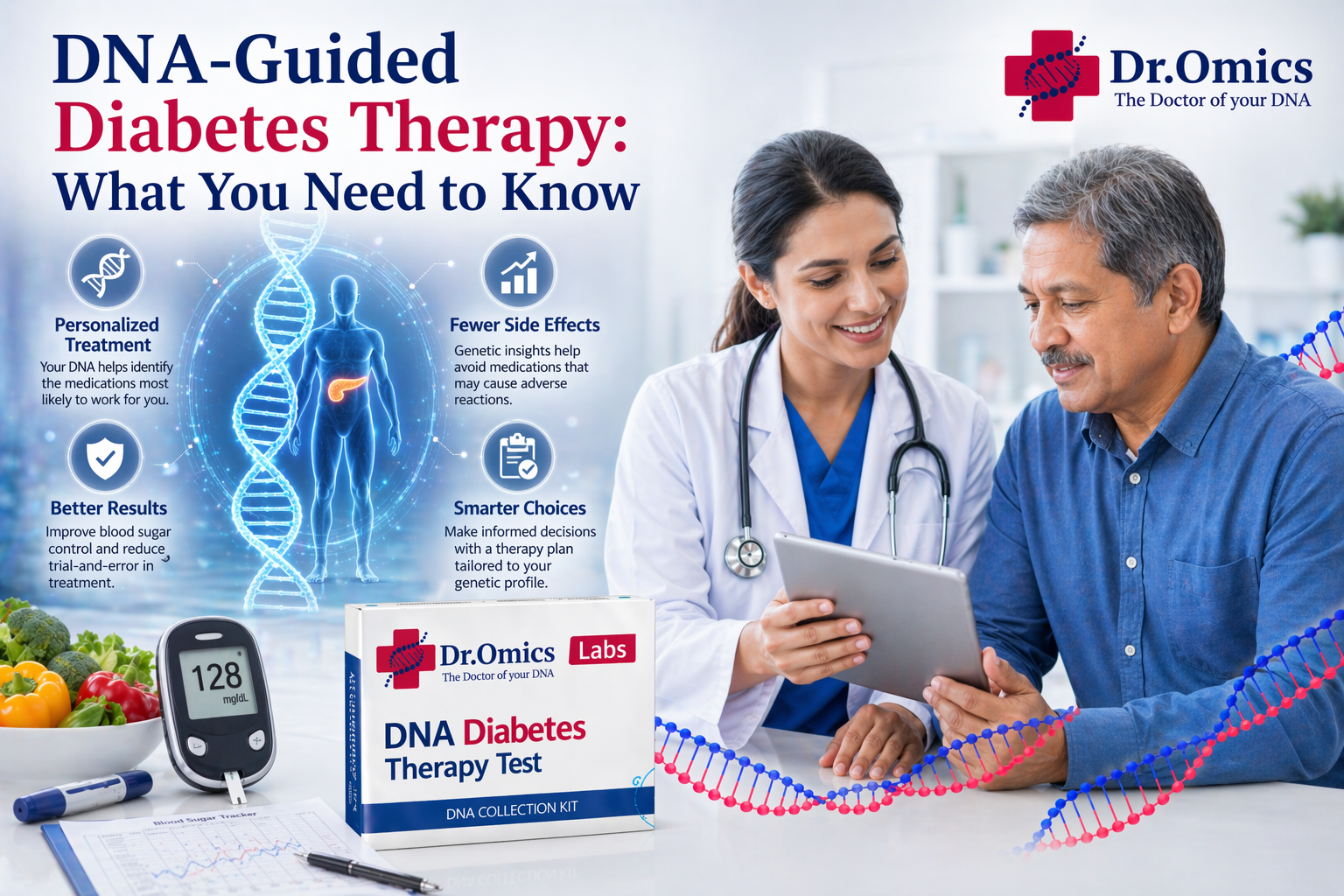
Diabetes is no longer viewed as a single-condition disorder with a universal treatment plan. Despite advances in medication and technology, many individuals still struggle to achieve optimal blood sugar control. One major reason is biological variation—how each person’s body responds differently to diet, lifestyle, and medication. This is where diabetes precision medicine is changing the future of care. By combining genetics with clinical practice, DNA-guided therapy is making personalized diabetes management more effective and sustainable.
Why Traditional Diabetes Treatment Has Limitations
Conventional diabetes care follows standardized protocols for medication selection and dosing. While these guidelines are effective for many, they fail to account for genetic differences that influence insulin sensitivity, drug metabolism, and disease progression. This often leads to repeated medication changes, unwanted side effects, and delayed glucose control.
Advances in genomics in diabetes reveal that genetic variations significantly affect how individuals develop diabetes and respond to therapy. DNA-guided approaches aim to eliminate guesswork and bring clarity to treatment decisions.
What Is DNA-Guided Diabetes Therapy?
DNA-guided diabetes therapy uses genetic information to support treatment planning. Through genetic testing, clinicians gain insights into how a patient’s body processes medications, regulates glucose, and responds to insulin.
This approach forms the foundation of pharmacogenomics diabetes, a field that studies how genes influence drug response. Instead of relying solely on trial and error, healthcare providers can use genetic data to select medications and doses more precisely.
Pharmacogenomics Diabetes: Personalizing Medication Choices
Pharmacogenomics diabetes focuses on identifying genetic markers that affect how diabetes drugs are absorbed, metabolized, and utilized in the body. These genetic differences can explain why:
- Some patients respond well to first-line medications
- Others experience side effects or minimal benefit
- Certain individuals require higher or lower doses
By understanding these genetic factors, clinicians can optimize therapy from the beginning, reducing treatment delays and improving long-term outcomes.
DNA Diabetes Treatment and Drug Response
A DNA diabetes treatment strategy incorporates genetic testing into routine diabetes care. Genetic variants can influence response to commonly used diabetes medications, including oral agents and injectables.
DNA-guided insights help:
- Predict effectiveness of specific drug classes
- Reduce adverse drug reactions
- Improve medication adherence
- Achieve faster glycemic stability
This precision-based approach is especially valuable for patients with poor glucose control or frequent medication adjustments.
Personalized Diabetes Management Beyond Medication
Personalized diabetes management goes beyond pharmacology. Genetics also influences metabolism, appetite regulation, physical activity response, and inflammation. DNA-guided therapy integrates these insights into a comprehensive care plan.
Personalized management may include:
- Nutrition plans aligned with metabolic genetics
- Exercise strategies based on insulin sensitivity
- Stress management recommendations
- Monitoring strategies tailored to complication risk
By addressing both genetic and lifestyle factors, patients receive care that aligns with their biology and daily routine.
The Role of Genomics in Diabetes Risk and Progression
Genomics in diabetes helps explain why some individuals develop diabetes earlier or experience faster disease progression. Genetic markers can indicate susceptibility to insulin resistance, beta-cell dysfunction, and diabetes-related complications.
Early identification of these risks allows for:
- Preventive lifestyle interventions
- More frequent monitoring
- Timely treatment intensification
DNA-guided insights shift diabetes care from reactive management to proactive prevention.
Benefits of Diabetes Precision Medicine
The integration of genetics into diabetes care offers several key advantages:
- Improved blood glucose control
- Reduced medication side effects
- Faster identification of effective therapies
- Increased patient confidence and engagement
- Better long-term health outcomes
Diabetes precision medicine empowers patients by providing clarity and personalization, improving both adherence and quality of life.
Who Can Benefit from DNA-Guided Diabetes Therapy?
DNA-guided therapy is valuable for:
- Newly diagnosed individuals
- Patients with poor response to standard treatment
- Those experiencing medication side effects
- Individuals with a strong family history of diabetes
As genetic testing becomes more accessible, DNA-based approaches are increasingly integrated into routine diabetes care.
The Future of Personalized Diabetes Care
The future of diabetes management lies in the integration of genetics, digital health tools, and continuous monitoring. As research in pharmacogenomics diabetes and genomics in diabetes advances, treatment strategies will become even more precise.
DNA-guided therapy represents a shift toward smarter, patient-centered care—where treatment is guided by evidence, not assumptions.
Conclusion
DNA-guided diabetes therapy is transforming how diabetes is treated by combining genetics with clinical expertise. Through diabetes precision medicine, pharmacogenomics diabetes, and personalized diabetes management, individuals receive care tailored to their unique genetic profile. By embracing DNA diabetes treatment, patients and clinicians can move toward more effective, predictable, and sustainable diabetes control. The future of diabetes care is not just advanced—it is personal.