
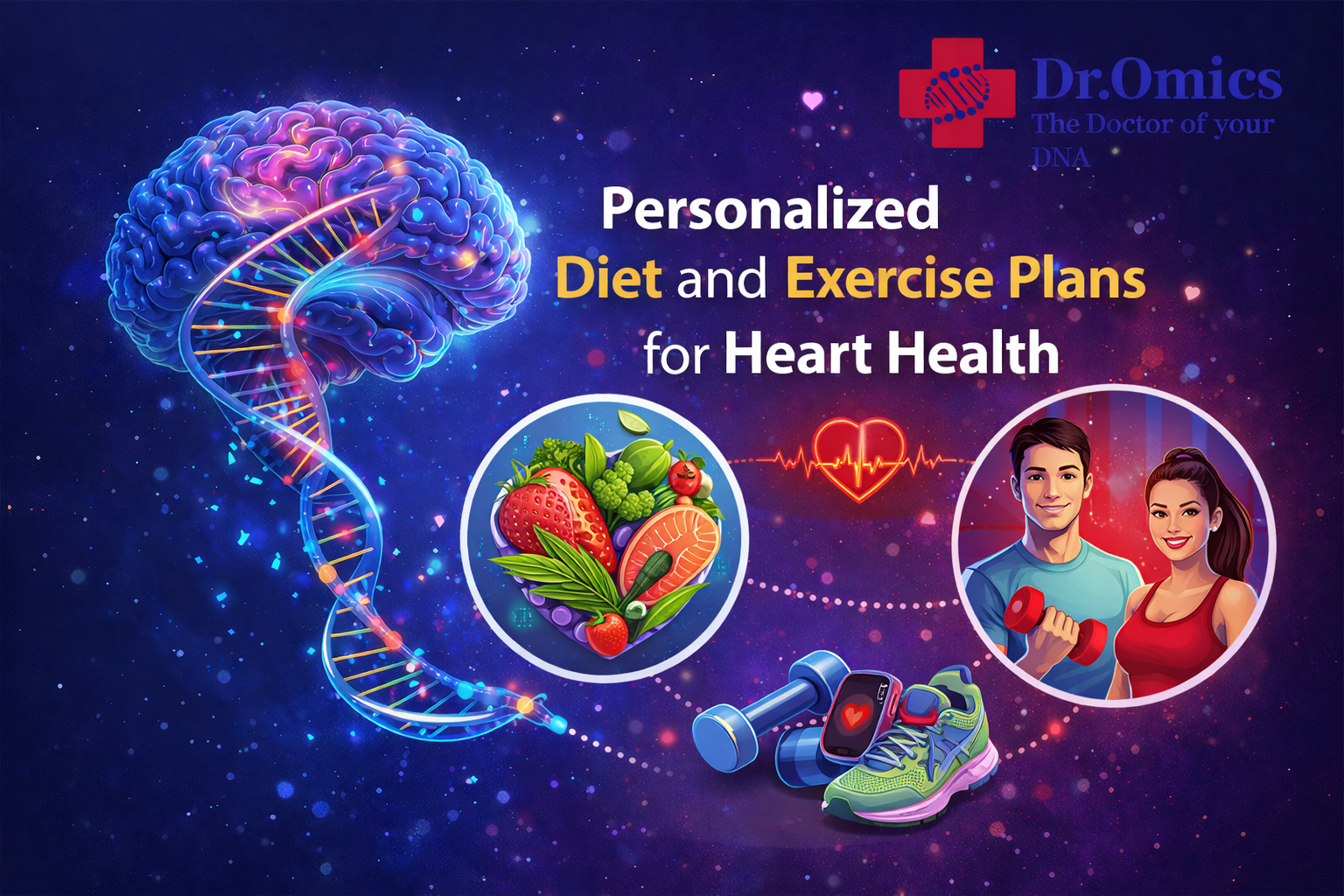
Maintaining a healthy heart is about more than just eating right and exercising regularly. While lifestyle plays a key role, genetics also significantly influence cardiovascular health. Advances in heart DNA test technology and genetic cardiac tests are now helping individuals understand their inherited risks and adopt personalized heart care strategies tailored to their unique genetic profile.
Understanding Heart Disease Genetics
Heart disease genetics explores how inherited traits impact cholesterol levels, blood pressure, inflammation, and the likelihood of developing conditions like coronary artery disease or arrhythmias. Even individuals with a healthy lifestyle may carry genetic variants that increase their susceptibility to heart problems.
By identifying these risks early through a cardio genetic test, individuals and healthcare providers can design preventive measures that are more targeted and effective than generic advice alone.
How DNA Can Guide Heart Health
A DNA heart health assessment provides insights into how your body responds to diet, exercise, and medications. For instance, some people may metabolize fats or carbohydrates differently, while others may respond better to certain types of cardiovascular exercises. Genetic testing can highlight these predispositions, allowing for the creation of a highly personalized health plan.
Personalized Diet Plans for Heart Health
Diet plays a critical role in cardiovascular wellness, and genetics can inform the most effective nutritional strategies:
- Cholesterol management: Individuals with genes that predispose them to high LDL cholesterol may benefit from diets rich in fiber and heart-healthy fats like omega-3s.
- Blood pressure regulation: Genetic markers can indicate sensitivity to sodium or other nutrients, guiding a personalized approach to salt intake.
- Weight management: Knowing how your metabolism functions can help tailor portion sizes, macronutrient ratios, and meal timing for optimal results.
By using a heart DNA test, nutrition plans can be fine-tuned to align with your genetic strengths and vulnerabilities, improving long-term heart health.
Exercise Recommendations Based on Genetics
Exercise is not one-size-fits-all. Genetic insights from a genetic cardiac test or cardio genetic test can help determine which types of exercise are most effective:
- Endurance training: For individuals with genes favoring slow-twitch muscle fibers, activities like running, swimming, or cycling may improve cardiovascular efficiency.
- Strength training: People with a higher proportion of fast-twitch fibers may benefit more from resistance training or high-intensity interval workouts.
- Recovery needs: Genetics can also influence recovery rates, helping to schedule rest days strategically and reduce the risk of overtraining.
Tailoring exercise routines based on DNA heart health ensures maximum benefits while minimizing potential risks.
Integrating Personalized Heart Care
Combining genetic insights with lifestyle modifications creates a comprehensive personalized heart care plan. This includes:
- Nutritional strategies customized to genetic predispositions
- Exercise programs aligned with cardiovascular and muscular genetics
- Monitoring and preventive measures for blood pressure, cholesterol, and cardiac function
- Medication guidance based on individual metabolism and response
Such tailored plans empower individuals to take proactive control of their heart health, enhancing effectiveness and sustainability.
The Future of Heart Health
The integration of genetics into heart health represents a shift toward precision medicine. By using heart DNA tests and genetic cardiac tests, healthcare providers can deliver insights that go beyond general guidelines. Personalized diet and exercise strategies, informed by genetics, are transforming preventive cardiology and offering new hope for long-term cardiovascular wellness.
Conclusion
A healthy heart requires a combination of informed lifestyle choices and genetic awareness. By leveraging DNA heart health, cardio genetic tests, and insights from heart disease genetics, individuals can create personalized heart care plans that optimize diet, exercise, and preventive strategies.
Personalized nutrition and fitness plans powered by genetics are no longer futuristic—they are a practical tool for maintaining heart health today. Investing in genetic testing is investing in a stronger, healthier heart and a longer, more vibrant life.

