
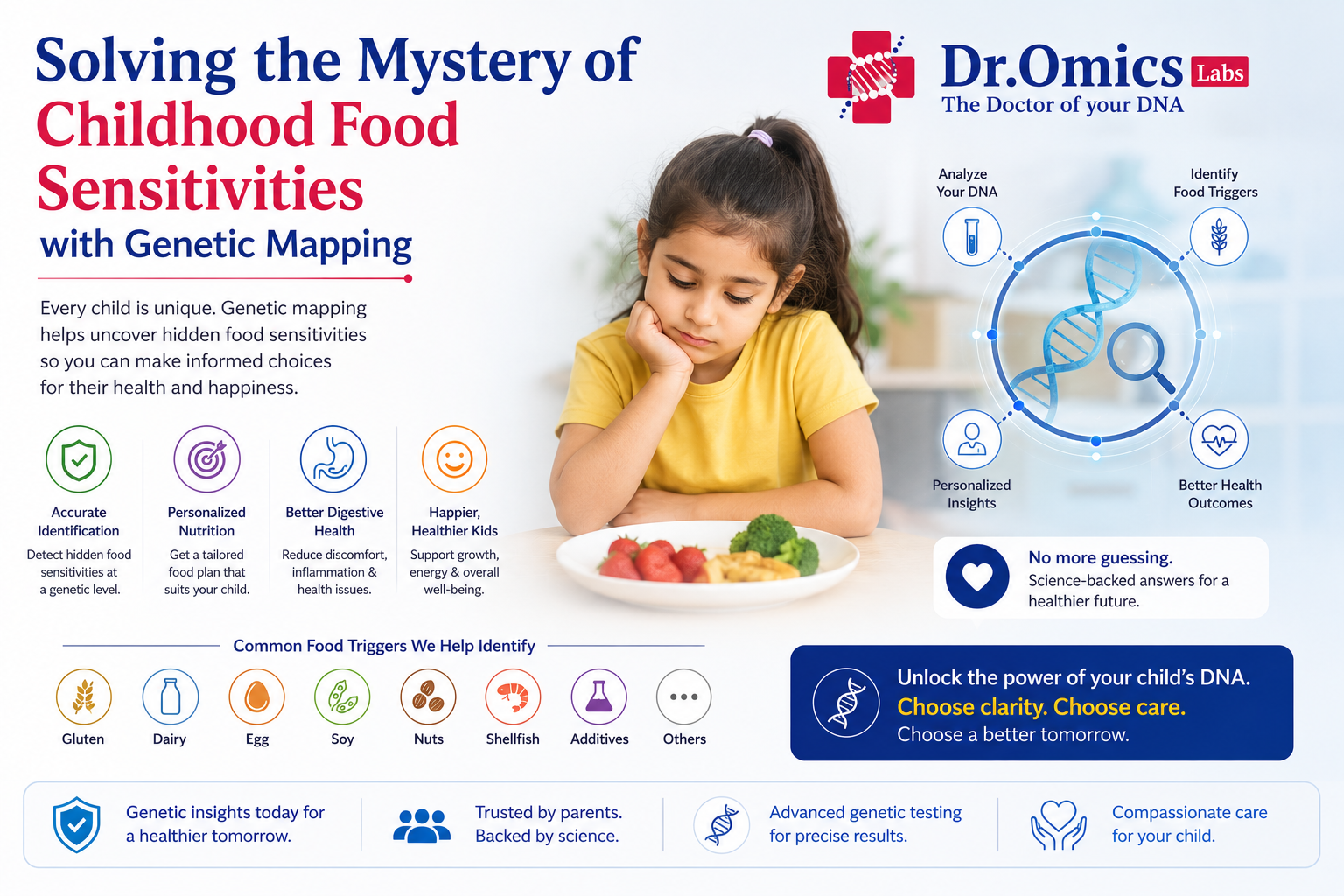
For many parents, mealtime can feel like a detective mission. When a child experiences unexplained bloating, skin rashes, or irritability after eating, the immediate instinct is to look for a “culprit” food. However, traditional elimination diets can be lengthy and frustrating, often leaving parents wondering if they are missing something deeper. Enter pediatric DNA screening—a revolutionary approach that moves beyond temporary symptoms to uncover the biological root of how a child interacts with food.
The Science Behind the Sensitivity
It is important to distinguish between a food allergy and a food sensitivity. While allergies involve an immediate immune system reaction, sensitivities are often linked to how a child’s body processes and metabolizes specific compounds. This is where genetic mapping becomes a game-changer.
By analyzing specific genetic markers, we can identify predispositions for common triggers. For instance, variations in the MCM6 gene can provide early indications of lactose intolerance, while certain HLA gene variants are associated with a higher sensitivity to gluten. Instead of waiting for a child to experience chronic discomfort, a child food sensitivity test based on DNA allows parents to adjust the family menu proactively.
Identifying Nutrient Deficiencies in Children
Food sensitivities are often just one side of the coin. Sometimes, the “mystery” isn’t what a child is eating, but what their body isn’t absorbing. Many children have genetic variations that affect the transport and conversion of essential vitamins.
Identifying nutrient deficiencies in children through DNA is particularly vital for growth:
- The MTHFR Connection: A common variant in the MTHFR gene can impair how a child processes folate (Vitamin B9), which is crucial for brain development and cellular repair.
- Vitamin D Absorption: Variations in the GC gene (which encodes the Vitamin D binding protein) can mean that even a child who spends time in the sun might still be at risk for deficiency, affecting their bone health and immune system.
By uncovering these “hidden” needs, parents can move from general supplementation to targeted, science-backed nutrition.
Lil Genie Nutrition: A Tailored Approach
To bridge the gap between complex laboratory data and everyday parenting, platforms like Lil Genie nutrition offer a specialized path for pediatric wellness. This isn’t just about a list of “good” and “bad” foods; it’s about creating a genetic diet for kids that respects their unique individuality.
The Lil Genie approach focuses on actionable insights. If the DNA screening shows a slower metabolism for certain fats (linked to the FTO gene) or a high sensitivity to sodium, parents receive a roadmap for meal planning that supports the child’s natural energy levels and long-term heart health. It turns the dinner table from a place of stress into a foundation for lifelong vitality.
Knowledge as a Tool for Empowerment
The greatest benefit of pediatric DNA screening is the peace of mind it brings. When you understand that your child’s “pickiness” might actually be a biological reaction to a food sensitivity, the power struggle ends. You are no longer guessing; you are managing their health with precision.
A genetic diet for kids is an investment in their future. It ensures that during their most critical years of development, they aren’t just eating—they are thriving on the exact nutrients their body was built to use.
Conclusion
Solving the mystery of childhood nutrition doesn’t have to be a decade-long process of trial and error. Through the power of genetic mapping and tools like Lil Genie, we can identify sensitivities and deficiencies before they become obstacles. By embracing the science of DNA, we give our children the greatest gift of all: a healthy, happy relationship with the food that fuels their growth.