
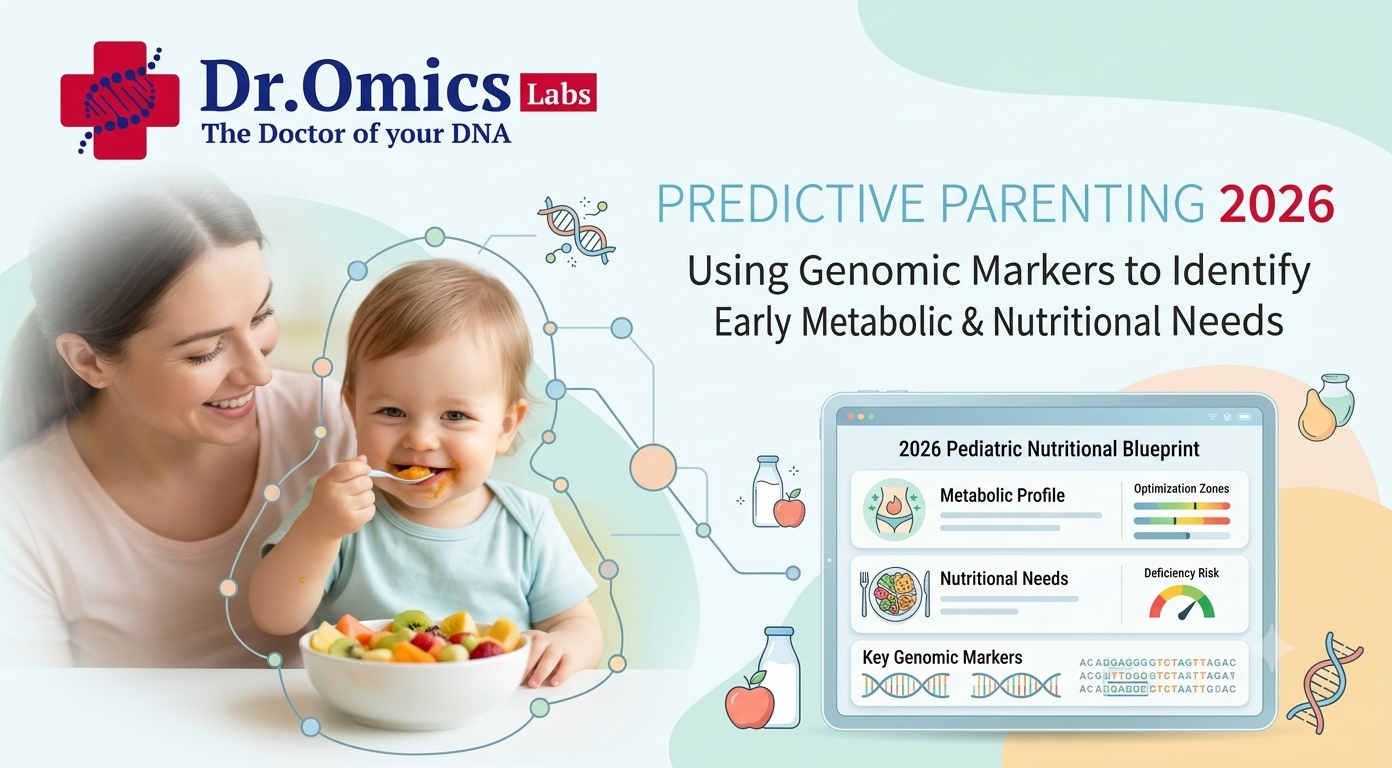
The era of “one-size-fits-all” parenting is officially behind us. In 2026, the intersection of technology and pediatric wellness has given rise to a groundbreaking movement: Predictive Parenting. Instead of relying on trial and error to figure out why a toddler is constantly fussy, sluggish, or reacting to certain foods, modern parents are turning to science.
By leveraging a child DNA test, families can now unlock a personalized blueprint of their child’s unique biological makeup. Through pediatric genetic testing, we can identify early metabolic and nutritional needs long before symptoms or deficiencies arise.
Moving Beyond the Traditional Pediatric Checklist
For decades, monitoring a child’s health meant tracking height, weight, and standard developmental milestones. While these metrics remain essential, they only tell part of the story. Pediatric genomic profiling dives beneath the surface to examine how a child’s specific DNA sequence influences their ability to absorb nutrients, metabolize foods, and clear toxins.
Using a non-invasive kids DNA test—usually a simple, painless cheek swab—parents can gain immediate insights into their child’s future wellness. This isn’t about predicting eye color or sports aptitudes; it’s about practical, actionable preventative healthcare.
Decoding Children’s Nutrition and Diet
Every child processes food differently. One of the most significant advantages of a children’s nutrition DNA analysis is understanding macro- and micronutrient efficiencies.
A tailored genetic diet for kids can pinpoint exactly how a child’s body interacts with vitamins and minerals. For instance, some children possess genetic variants that hinder the conversion of beta-carotene into active Vitamin A, or require a specific form of Vitamin D for optimal absorption. By utilizing a DNA test for kids nutrition, parents can confidently curate a diet or select supplements that fill these precise cellular gaps, optimizing a child growth DNA test trajectory from day one.
Uncovering Food Sensitivities Early
Food battles are a staple of early childhood, but sometimes a “picky eater” is actually an uncomfortable eater. A specialized child allergy DNA test can highlight genetic predispositions to lactose intolerance, celiac disease, or specific allergen sensitivities. Identifying these markers early prevents chronic low-grade inflammation, digestive discomfort, and nutritional deficiencies that could hinder a DNA test for child development.
The Rise of Comprehensive Pediatric Wellness DNA
Modern solutions, like the innovative Little Genie DNA test, are designed specifically with childhood development in mind. These comprehensive panels look at the big picture of a kids health DNA test, offering a multi-faceted view of a child’s biological tendencies:
- Metabolic Rate: Understanding how quickly a child burns energy and processes fats or carbohydrates.
- Sleep and Circadian Rhythms: Genetic inclinations toward being a morning lark or night owl, and how caffeine or sugar affects their sleep cycle.
- Pediatric Pharmacogenomics: Knowing how a child’s liver enzymes process common medications, ensuring that if they ever need a prescription, the dosage is safe and effective on the first try.
A Proactive Blueprint for the Future
Investing in genetic testing for children is not about labeling a child or living in fear of genetic predispositions. On the contrary, it is about empowerment. Pediatric wellness DNA profiles provide the data needed to make proactive choices regarding a child’s environment, lifestyle, and diet.
By understanding your child’s genomic markers in 2026, you can bypass the guesswork and cultivate an environment where they don’t just grow—they thrive.

