
Why do some people naturally excel at sprinting while others find marathon running effortless? The answer lies within your DNA. As sports genomics advances, we are gaining a deeper understanding of how our genetic makeup dictates our physiological response to exercise. By utilizing a sport or fitness DNA test, individuals can move beyond trial-and-error training, unlocking insights that allow them to train smarter, recover faster, and reach their true performance potential.
Understanding Genetic Fitness Testing
Genetic fitness testing analyzes specific variants that influence muscle composition, aerobic capacity, recovery rates, and injury susceptibility. Rather than following generic fitness advice, athletes and enthusiasts can use these insights to build personalized training and nutrition plans that align with their biological strengths.
The Science of Power vs. Endurance
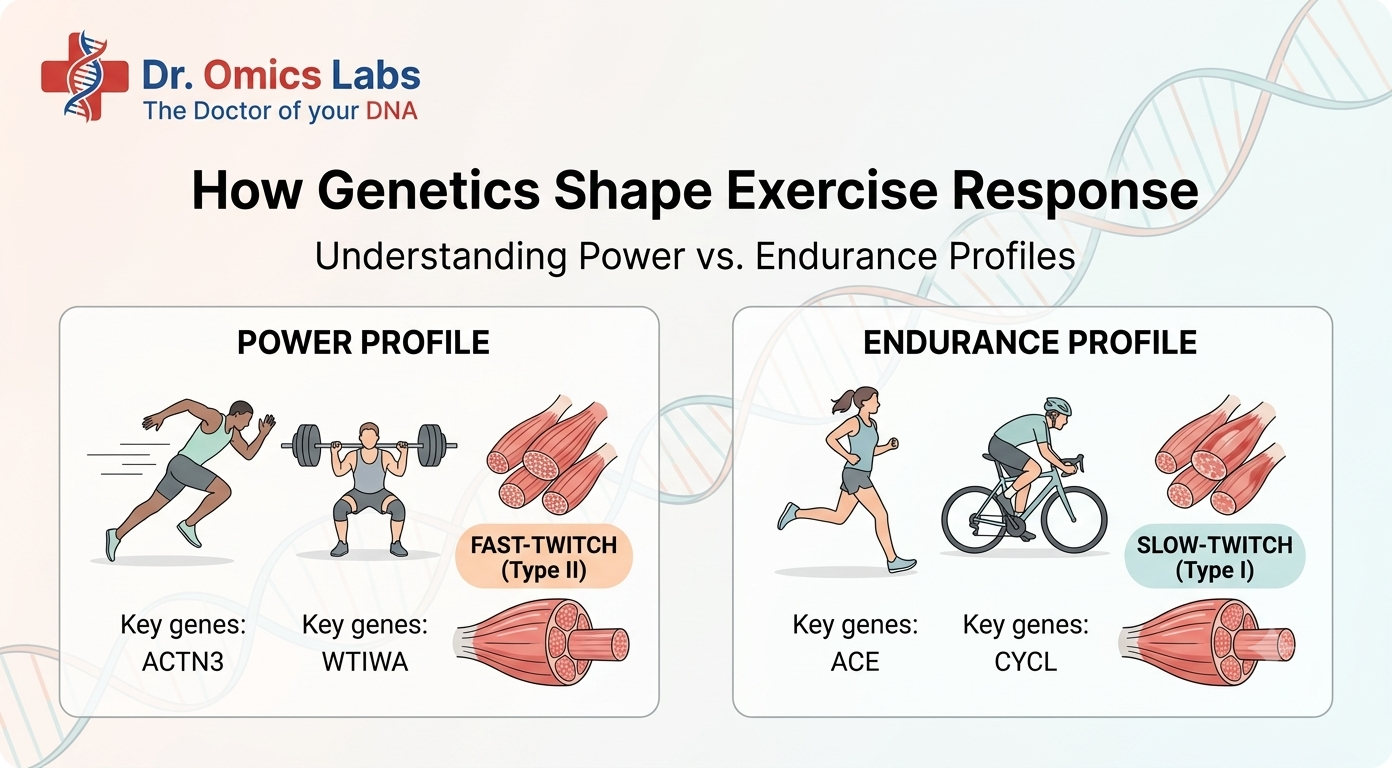
A primary focus of sports genomics is the distinction between power and endurance. * **Power Athletes:** Sprinters and weightlifters rely on “fast-twitch” muscle fibers, which generate explosive, short-duration force. * **Endurance Athletes:** Marathon runners and cyclists benefit from “slow-twitch” fibers, designed for sustained activity and fatigue resistance.
Key genetic markers help determine these predispositions:
* **ACTN3 (The “Speed Gene”):** This gene codes for alpha-actinin-3, a protein essential for fast-twitch muscle function. Individuals with a highly functional ACTN3 gene often excel in explosive, power-based sports. Those lacking this protein may find they have a higher capacity for endurance-based activities.
* **ACE Gene:** This marker is linked to cardiovascular efficiency. Certain variations are associated with better oxygen utilization, providing a distinct advantage in aerobic performance.
Optimizing Recovery and Mitigating Risk
Training is only part of the equation; recovery is where performance gains are solidified. A recovery genetics test examines genes related to inflammation, oxidative stress, and tissue repair. This data helps athletes determine their optimal rest periods, helping them avoid overtraining and burnout.
Furthermore, an injury risk DNA test identifies genetic predispositions related to tendon, ligament, and bone health. While these tests do not predict injuries with certainty, they highlight areas of vulnerability. This allows for proactive, preventive training—incorporating targeted mobility work, specific strength training, and flexibility protocols to reinforce connective tissues.
DNA as a Roadmap, Not a Guarantee
Many are curious if a sports talent DNA test can predict future champions. It is crucial to view genetic insights as a roadmap, not a definitive predictor. Athletics is a multifaceted endeavor where training, quality coaching, nutrition, mental resilience, and environmental factors are equally vital.
The Future of Personalized Fitness
Modern DNA-based sports performance reporting consolidates these markers into a comprehensive guide, answering fundamental questions:
* Should you prioritize heavy lifting or aerobic endurance?
* How intense should your training be to avoid injury?
* How can you optimize your rest days for maximum adaptation?
By leveraging the data from a workout genetics test, individuals at any level—from the amateur fitness enthusiast to the professional athlete—can harmonize their daily routines with their unique genetic blueprint. This evolution in personalized training ensures that every hour spent in the gym is used more efficiently, minimizing guesswork and maximizing progress.

