
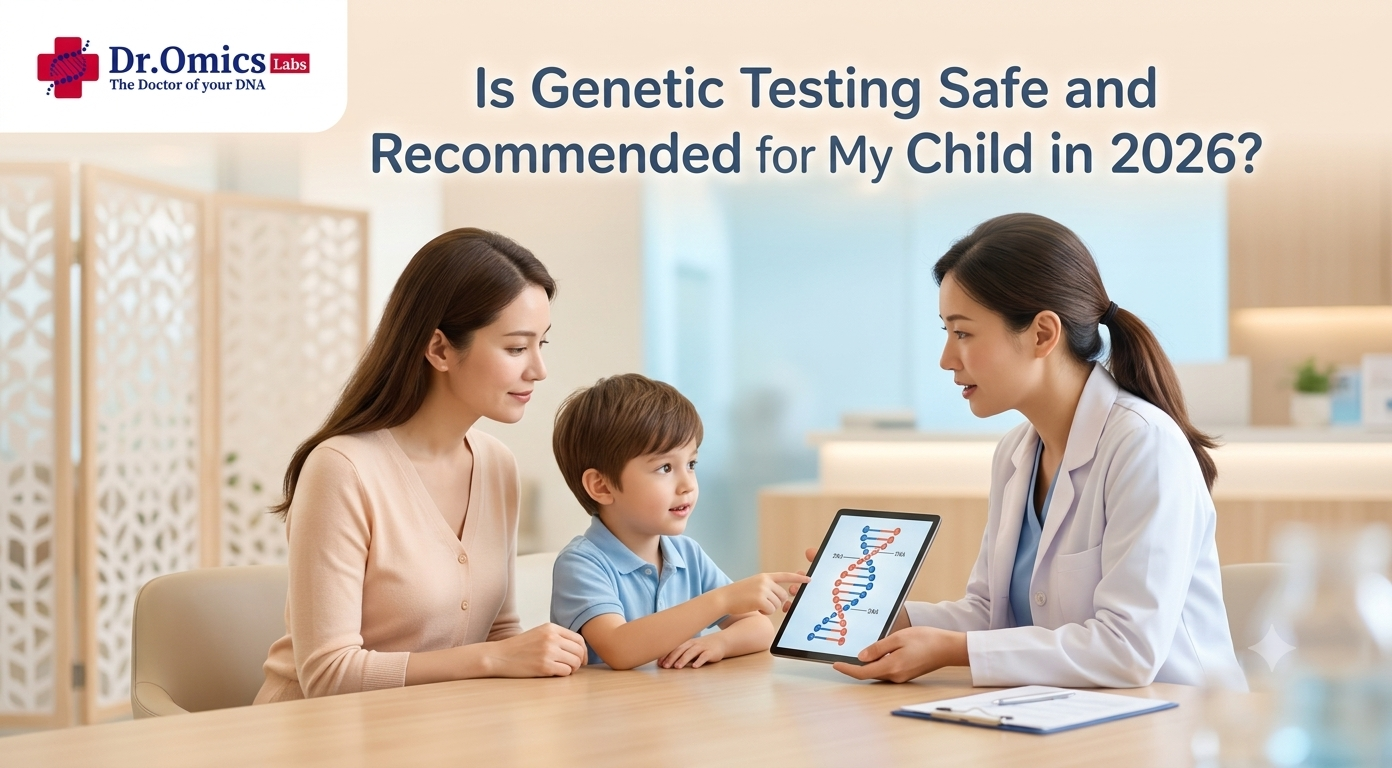
As genetic science advances, many parents are asking an important question: Is genetic testing safe for children, and should my child get tested in 2026? Modern DNA testing has become more accurate, affordable, and informative than ever before. When performed under medical guidance, DNA testing safe for children is a non-invasive process that usually requires only a saliva sample or cheek swab, making it painless and stress-free.
Understanding how pediatric genetic testing work helps parents make informed decisions. Laboratories analyze a child’s DNA to identify inherited genetic variations that may influence health, nutrition, growth, metabolism, and disease risk. Depending on the purpose, doctors may recommend pediatric genomic profiling, whole exome sequencing for kids, or a chromosomal microarray test to investigate developmental concerns or inherited conditions.
What Can a Child DNA Test Reveal?
Many parents wonder what a child’s DNA test can reveal beyond inherited diseases. Today’s genetic testing can provide insights into nutrient metabolism, food sensitivities, athletic potential, and genetic predisposition to certain health conditions. While DNA tests identify child allergies is a common question, it’s important to understand that DNA testing cannot diagnose allergies directly. Instead, it can identify genetic tendencies that may influence immune responses, which should always be confirmed through clinical allergy testing.
Similarly, tests may indicate that DNA predicts child obesity risk by examining genes linked to metabolism and weight regulation. Parents can also learn what TAS2R38 picky eater gene, a gene associated with bitter taste perception that may explain why some children avoid certain vegetables.
Genetic reports may also answer questions such as can DNA detect developmental delays in children, can DNA tests show lactose intolerance in kids, and what conditions can child DNA screen for, helping healthcare providers recommend early interventions when necessary.
The AAP guidelines for child DNA testing recommend genetic testing when results are expected to improve a child’s medical care or guide treatment decisions. Doctors generally advise against predictive testing for adult-onset conditions unless there is a clear medical benefit during childhood.
Parents often ask what age is best for child genetic testing. The answer depends on the purpose. Diagnostic testing is appropriate whenever symptoms arise, while wellness-focused genetic testing should be discussed with qualified healthcare professionals.
Learning how to personalize child nutrition with DNA, understanding how DNA helps child growth, and discovering whether genetic testing for children recommended by doctors applies to your child can support better health decisions. Parents should also understand how to explain DNA test to a child, ensuring the process feels positive and educational.
Although are kids DNA tests reliable depends on laboratory quality and interpretation, clinically validated tests provide dependable insights when reviewed by genetics professionals. Parents should also consider how much a child’s DNA test costs, as pricing varies depending on the type of analysis performed.
In 2026, pediatric genetic testing is safer, more precise, and more clinically valuable than ever. Used responsibly and interpreted by healthcare experts, it empowers families with knowledge that can support healthier childhood development without replacing regular medical care.

