
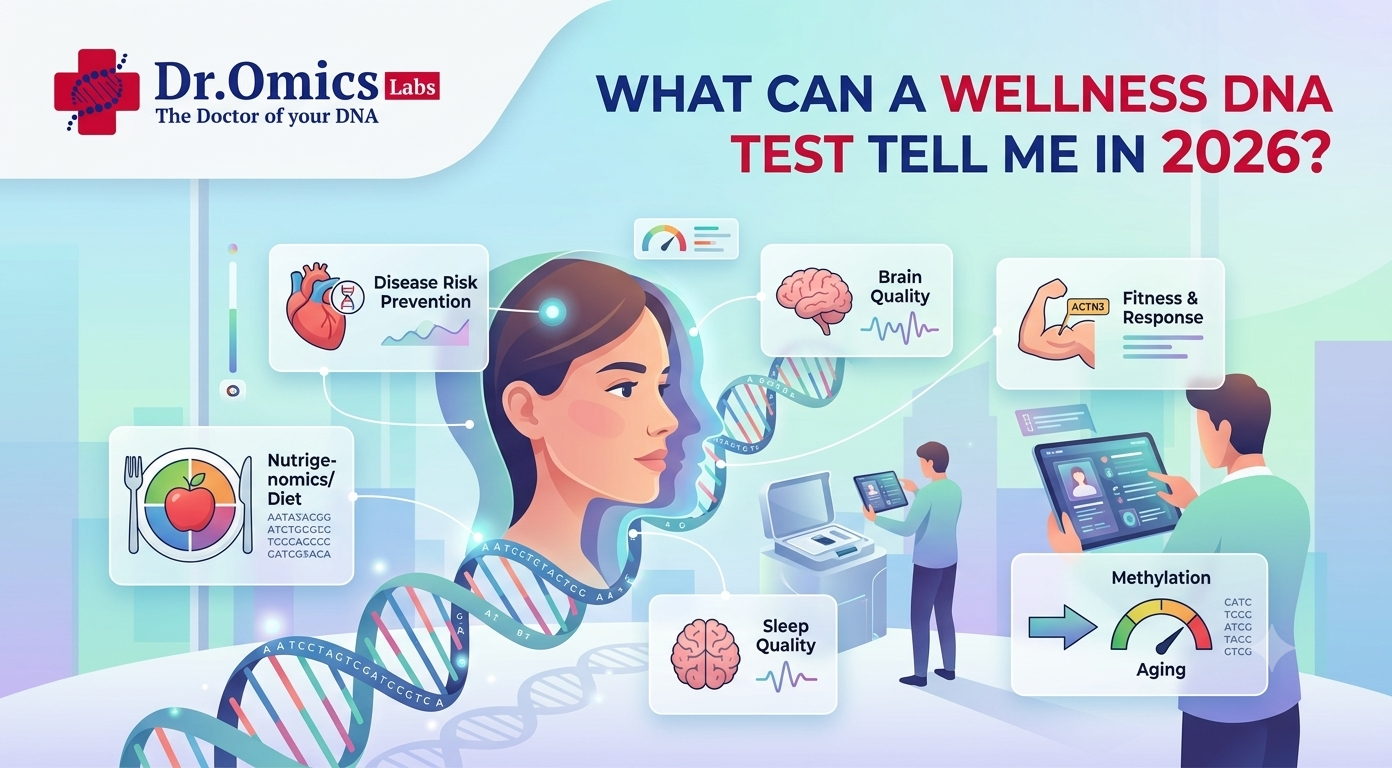
As we cross into 2026, the wellness industry has completely shifted from general health trends to absolute precision. Millions of people are asking: what can a wellness DNA test tell me, and is it truly the key to longevity?
If you are tired of generic diets and guessing which vitamins to take, understanding your genomic blueprint might be the ultimate upgrade. Let’s look closely at how accurate are wellness DNA tests 2026 editions and exactly what they can reveal about your body.
Moving Beyond Ancestry: How Does a DNA Health Test Work?
Most of us are familiar with swabbing our cheek to see where our ancestors came from. But how does a DNA health test work when it comes to longevity? Advanced wellness panels isolate your genetic material to look at single nucleotide polymorphisms (SNPs)—tiny variations in your genetic code that influence how your body builds tissue, clears toxins, and metabolizes fuel.
Can At-Home DNA Testing Be Trusted?
With strict laboratory standards emerging over the last few years, the answer is a resounding yes—provided you use a clinical-grade platform. While they shouldn’t replace a primary care physician, modern tests are highly accurate at reading your raw sequence. Furthermore, you might wonder: is genetic testing for health safe? Yes, reputable laboratories use medical-grade, non-invasive cheek swabs or saliva kits that pose absolutely zero physical risk, and they employ strict cryptographic encryption to protect your biological data.
Disease Risks, Deficiencies, and Inflammation
One of the most common questions is: does DNA testing predict disease risk? It is important to remember that genetics are not destiny. While a test cannot give you a definitive medical diagnosis, it provides a highly accurate genetic risk assessment. For instance, it can look at your cardiovascular markers to determine if you have an elevated risk, helping you understand if a DNA test can predict heart disease risk factors early enough to alter your lifestyle.
Inherited DNA Markers ──> Targeted Lifestyle Shift ──> Mitigated Chronic Risk
Additionally, look at what your genes say about daily function:
- Vitamin Absorption: Can a DNA test show vitamin deficiencies? While it doesn’t measure your current blood levels, it shows if you have variants (like the MTHFR gene) that impair your ability to absorb or activate micronutrients like Folate or Vitamin D.
- Chronic Swelling: What does my DNA say about inflammation? Your markers can reveal whether your body overproduces pro-inflammatory cytokines, telling you how aggressively you need to prioritize recovery and anti-inflammatory foods.
The New Frontier: Epigenetics, Nutrigenomics, and Sleep
In 2026, the conversation has expanded from what your DNA is to how your DNA behaves. This is where what is epigenetic testing comes into play. By looking at what DNA methylation reveal, epigenetic testing acts as a biological clock, showing how variables like stress, environment, and toxic load are altering gene expression and actively shaping how genetics affect aging.
Fueling and Resting Your Cells
If you have ever struggled with digestive discomfort, you know that finding answers is tough. Fortunately, a DNA test can detect food intolerances or sensitivities by checking for genetic predispositions to celiac disease, lactose intolerance, or histamine issues. This subfield, known as what is nutrigenomics testing, allows you to pinpoint exactly how your metabolic pathways respond to specific macronutrients.
Furthermore, a comprehensive panel can revolutionize your nights. Can DNA testing improve my sleep? By evaluating your circadian rhythm genes (like CLOCK and PER3) and your caffeine clearance rate, you can design an optimized bedtime routine tailored strictly to your internal clock.
Turning Data into Action: How to Personalize Wellness with DNA
Data is only valuable if it is actionable. Knowing how to interpret DNA wellness results means working with a structured report that bridges the gap between raw code and your daily routine.
Your results will guide you on what lifestyle changes based on DNA will yield the highest return on investment. Whether it is adjusting your macro split, avoiding specific workout types that trigger excessive inflammation, or understanding how pharmacogenomics work to know which over-the-counter medications interact best with your liver enzymes—preventive genomics puts the control back in your hands.
Ultimately, is preventive genetic testing worth it? If your goal is to stop wasting money on generalized supplements and build an unshakeable, data-backed 10-year health roadmap, decoding your genetic blueprint in 2026 is the smartest investment you can make.

