
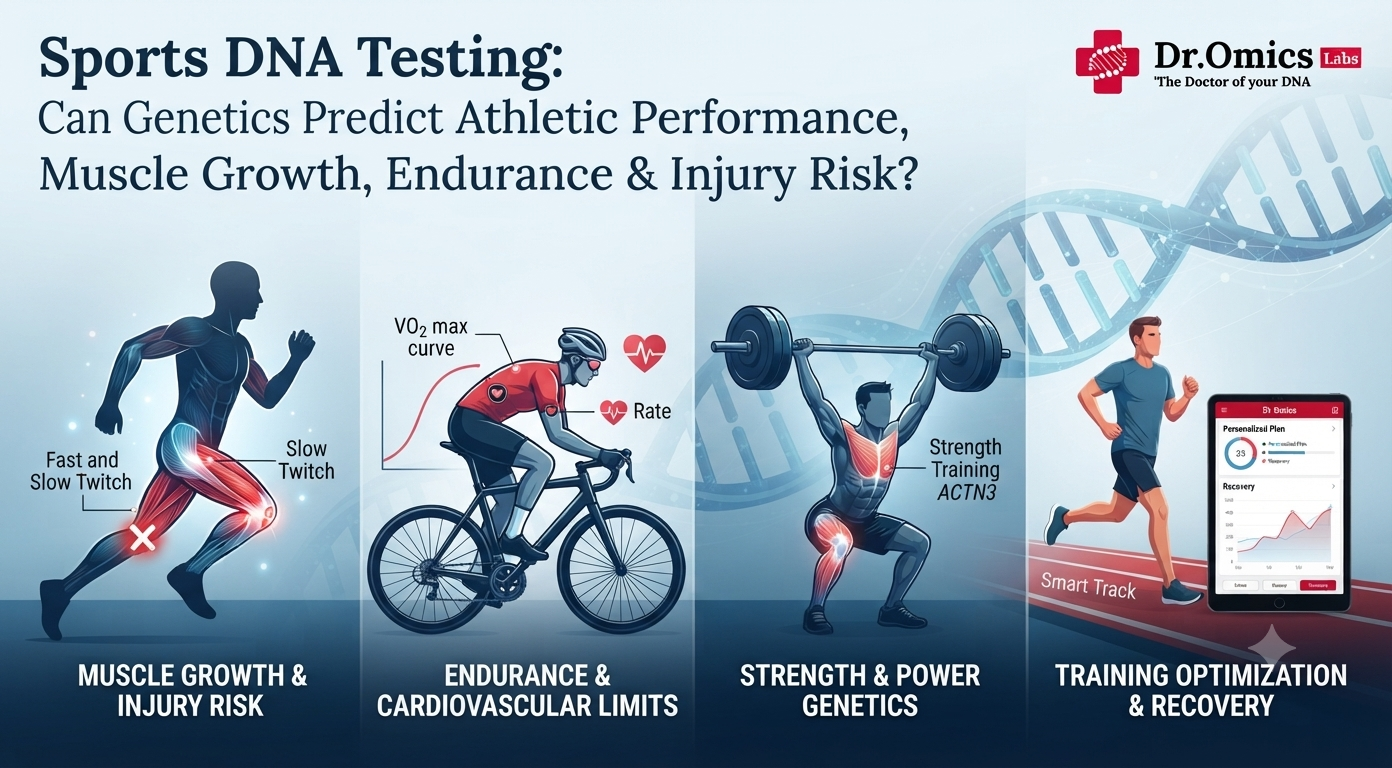
When exploring how much of performance is genetic, sports scientists and researchers generally estimate that hereditary factors account for 20 to 80 percent of an individual’s athletic capability, depending on the specific trait. To harness this biological data, elite competitors and everyday fitness enthusiasts increasingly ask why athletes take DNA tests. These screenings uncover unique biological blueprints, raising the fundamental question of whether can DNA improve athletic performance through precision training, tailored nutrition, and targeted recovery plans.
Unlocking Muscle Growth and Power Dynamics Genetics heavily dictate physical architecture and muscular composition. Understanding how does genetics affect muscle growth reveals why some individuals build lean mass effortlessly while others face a steeper uphill battle. A pivotal component in this equation is what is ACTN3 speed gene, a well-known genetic marker often dubbed the “gene for speed.” This specific gene dictates the production of alpha-actinin-3, a structural protein found exclusively in fast-twitch muscle fibers responsible for explosive movements like sprinting and heavy lifting. Through a targeted genetic profile, individuals can DNA show fast twitch muscle fibers dominance and determine whether their body naturally favors power or endurance activities. Furthermore, examining what genes affect strength training helps personal trainers structure resistance routines that align with an athlete’s unique myofibrillar adaptation rate.
Endurance, Stamina, and Cardiovascular Limits Beyond explosive power, genetics dictate cardiovascular efficiency and stamina. Identifying what genetic markers predict endurance helps long-distance runners, triathletes, and cyclists understand their physiological ceilings. A major metric in this domain is what is VO2max genetics, which evaluates how effectively your cardiovascular and respiratory systems uptake, transport, and utilize oxygen during high-intensity exertion. Knowing these biological markers allows coaches to design aerobic thresholds and pacing strategies with unprecedented precision.
Optimizing Workouts and Preventing Injuries A common inquiry among fitness communities is does genetics determine ideal workout splits and frequency. By analyzing cellular metabolic responses, can DNA test show exercise response profiles that indicate whether a person thrives on high-intensity interval training, heavy low-rep lifting, or steady-state cardio. This data forms the backbone of how to optimize training with DNA protocols.
Equally vital is safeguarding the musculoskeletal system against physical trauma. Many athletes wonder can DNA test prevent sports injuries and how to use DNA for injury prevention effectively. Specific genetic variations directly influence tendon elasticity, structural collagen production, and systemic inflammation response. For instance, can DNA predict ACL injury risk by identifying intrinsic structural vulnerabilities in ligaments and connective tissue. Additionally, understanding how does genetics affect recovery time dictates how many rest days an athlete needs between heavy training sessions, while does DNA affect flexibility explains baseline joint mobility constraints and susceptibility to strains.
Evaluating Testing Accuracy and Compliance With the explosion of direct-to-consumer genomics, users often question is sports DNA testing accurate and what is the best DNA test for athletes. While reputable clinical laboratories offer highly reliable insights into single-nucleotide polymorphisms (SNPs), results must always be combined with real-world physical tracking and expert coaching. Beyond personal fitness, sports anti-doping agencies also monitor what is genetic doping detection, an advanced scientific frontier tracking potential gene therapies and cellular modifications in professional sports.
Ultimately, sports genetic profiling serves as an intelligent roadmap rather than an absolute crystal ball. While DNA profoundly shapes our physiological potential, consistent hard work, mental discipline, and proper nutrition remain the definitive drivers of athletic success.

