
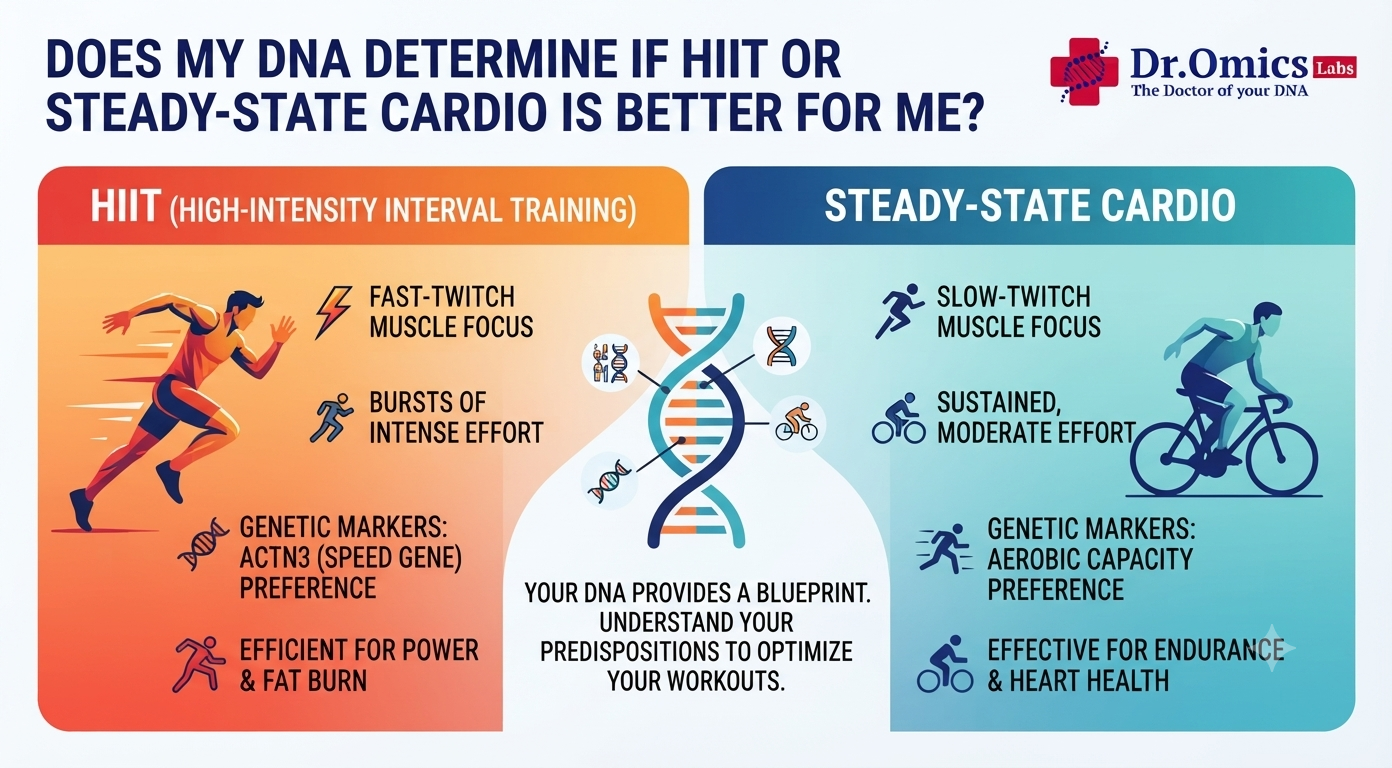
In the modern era of fitness, the quest to optimize physical performance has evolved far beyond basic “trial and error.” Many fitness enthusiasts are now asking the question: can DNA personalize my workout routine? The answer lies in the growing field of sports genomics. By understanding your unique biological blueprint, you can stop guessing and start training with precision.
The Genetics of Physical Performance
Have you ever wondered why do some build muscle faster than others, or how do genetics affect muscle recovery? Much of this comes down to specific biological markers. For instance, the ACTN3 gene is famously known as the “speed gene”—it plays a critical role in the composition of fast-twitch muscle fibers, which are essential for sprinters and power athletes.
Similarly, when researchers investigate how does DNA affect oxygen utilization or what genetic factors affect flexibility, they are looking at how your body processes energy and maintains structural integrity. These genetic insights provide a window into your natural physiological predispositions.
When considering does DNA determine HIIT vs cardio, genetic testing can reveal your body’s predisposition toward different energy systems. While some individuals have a genetic profile that thrives on the rapid-fire intensity of High-Intensity Interval Training (HIIT), others may find that their body is better suited for steady-state endurance cardio. Ultimately, what is the best exercise based on DNA? It is an exercise plan that aligns with your specific genetic capacity for power output, metabolic efficiency, and aerobic endurance.
Optimizing Your Fitness Strategy
To truly optimize fitness with DNA, you must look beyond just one marker. Comprehensive genetic testing can help predict overtraining risk and identify what genes affect joint health and exercise inflammation. By understanding these risks, you can structure your training volume and rest days more effectively, ensuring that your recovery keeps pace with your intensity.
A common question among those considering these tests is: are genetic fitness tests accurate, and is the Fit Genie test reliable? While genetics are not the sole determinant of fitness—lifestyle, environment, and nutrition are equally critical—they provide a foundational roadmap.
The key is knowing how to combine DNA with fitness tests. You should use genetic data alongside traditional functional performance metrics, such as a muscle fiber type test or V02 max assessment. This holistic approach allows platforms like Fit Genie to explain fitness plateaus by revealing whether your stagnation is due to a mismatch between your training stimulus and your biological recovery needs.
Using DNA for Specific Training Goals
If your goal is endurance, understanding how to use DNA for endurance training can help you focus on the metabolic pathways that require the most support. Can DNA show workout response? Yes, it can highlight how your body reacts to specific training stimuli, providing insights into your strength potential.
When you integrate this data, you aren’t just following a generic template; you are crafting a program that respects your biological individuality.
Conclusion
So, does your DNA determine if HIIT or steady-state cardio is better for you? While it does not dictate your destiny, it offers a powerful diagnostic lens to help you understand your predispositions. Genetic testing can reveal whether you are biologically wired for power or endurance, how your body manages inflammation, and what recovery protocols will work best for your unique physiology.
Remember, your genes provide the blueprint, but your consistency, nutrition, and dedication are what build the house. By integrating genetic insights with real-world performance tracking, you can create a smarter, more personalized training regimen that works with your body, not against it. Don’t let your training be a guessing game—leverage the science of your DNA to reach your true athletic potential.

