
In the rapidly evolving landscape of precision medicine, neurogenomics is emerging as a powerful tool for understanding the biological underpinnings of our mental and neurological well-being. As we move beyond one-size-fits-all approaches, many are asking: what is genetic testing for brain health, and how can it shape our future?
Understanding the Genetic Blueprint of the Brain
At its core, what are key neurological genetic markers? These are specific variations in our DNA that influence everything from neurotransmitter production to structural brain development. Understanding how do genetics affect cognitive decline or how does genetics influence depression risk provides a roadmap for proactive care rather than reactive treatment.
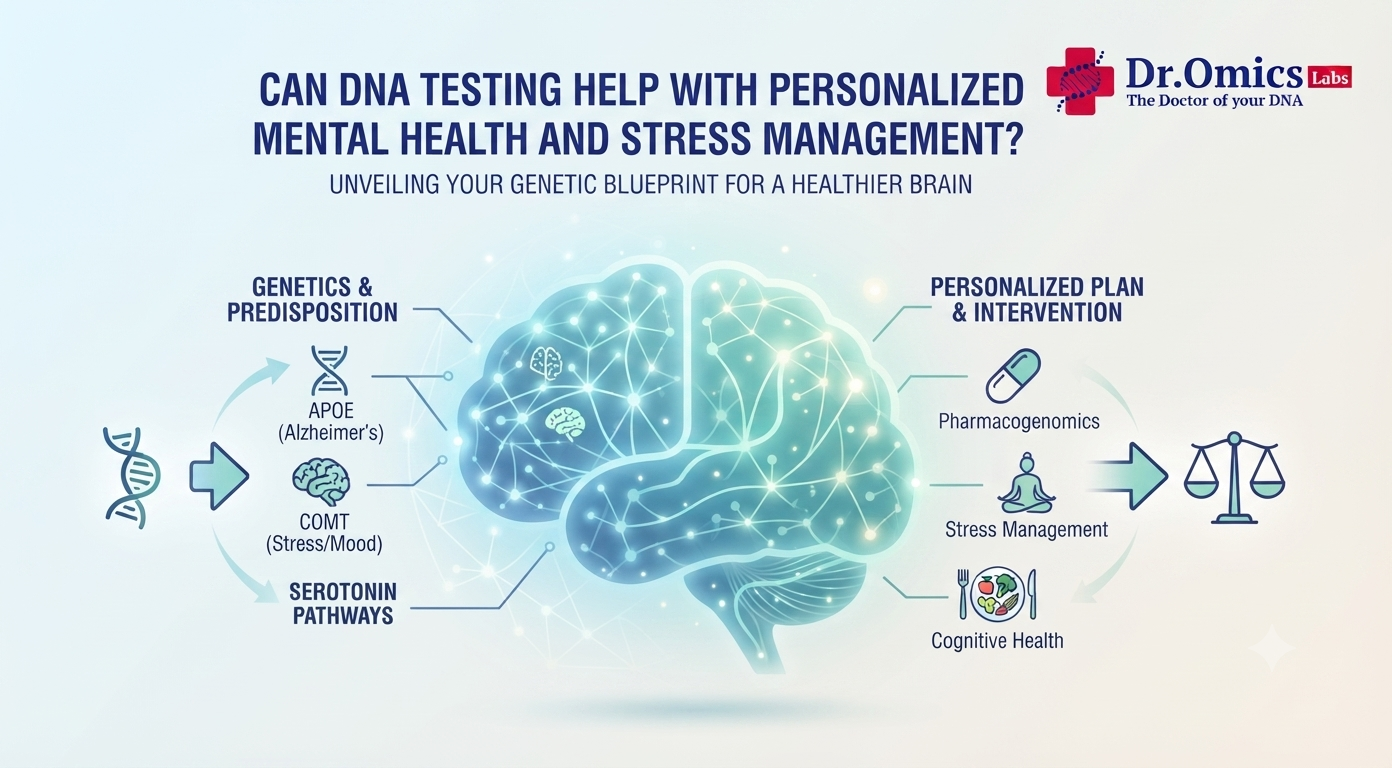
Researchers have identified several genes that affect memory and cognition, such as the APOE gene, which is famously linked to dementia. This leads to the critical question: can DNA predict Alzheimer’s risk and can DNA test guide dementia prevention? While these tests cannot provide a definitive “yes” or “no,” they can highlight susceptibility, allowing individuals to implement lifestyle interventions earlier. Furthermore, can DNA show Parkinson’s disease risk? Yes, genetic testing can identify specific mutations, such as those in LRRK2 or GBA, which are associated with higher risks, though their clinical utility remains a subject of ongoing research.
Breakthroughs in Brain Health and Neurochemistry
A fascinating area of study is what is methylation in brain health. Methylation is an epigenetic process that regulates gene expression; imbalances here can significantly impact stress responses and mood. Similarly, many are curious about what is COMT gene for brain health. The COMT gene dictates how the brain breaks down dopamine. Knowing your COMT status reveals if your brain is a “warrior” (fast dopamine breakdown) or a “worrier” (slower breakdown), which directly influences how to use genetics for stress management.
When considering neurochemistry, does DNA affect neurotransmitter processing? Absolutely. This is where pharmacogenomics shines. Can pharmacogenomics guide psychiatric medication? Research confirms that genetic variations can predict how an individual metabolizes common antidepressants and antipsychotics, effectively acting as a guide to avoid adverse reactions and improve treatment efficacy. This is a cornerstone of the question, can DNA test guide mental health treatment?
The Reality of Neuro-Genetic Testing
With the rise of direct-to-consumer kits, the public often asks, is neuro genetic testing reliable and how accurate are neuro genetic tests? While analytical validity—the test’s ability to detect a variant—is very high, the clinical validity (how well that variant predicts a condition) varies. What neurological conditions can genetic testing detect? Currently, it is most reliable for rare, single-gene disorders, but it is expanding to cover complex traits like neurodevelopmental disorders. Can DNA predict neurodevelopmental disorders? In some cases, yes, particularly those linked to specific chromosomal deletions or duplications.
However, how to interpret neuro genetic results is a nuanced task. Without a qualified genetic counselor or neurologist, it is easy to misinterpret risk scores or overlook the impact of environmental factors. We are seeing what are latest breakthroughs in neurogenomics every day, shifting the field from simple risk assessment to actionable, personalized strategies.
Conclusion
Genetic testing for brain health is not a crystal ball, but it is a powerful compass. By understanding our unique genetic predispositions—from COMT efficiency to neurotransmitter metabolism—we can move toward a model of mental health that is truly personalized. As research continues to refine our understanding of neuro-genetic markers, these tools will become essential in managing stress, optimizing cognitive health, and tailoring psychiatric care to the individual. Before embarking on this journey, always consult with a healthcare professional to ensure you are interpreting your results within the context of your overall health and lifestyle.

