
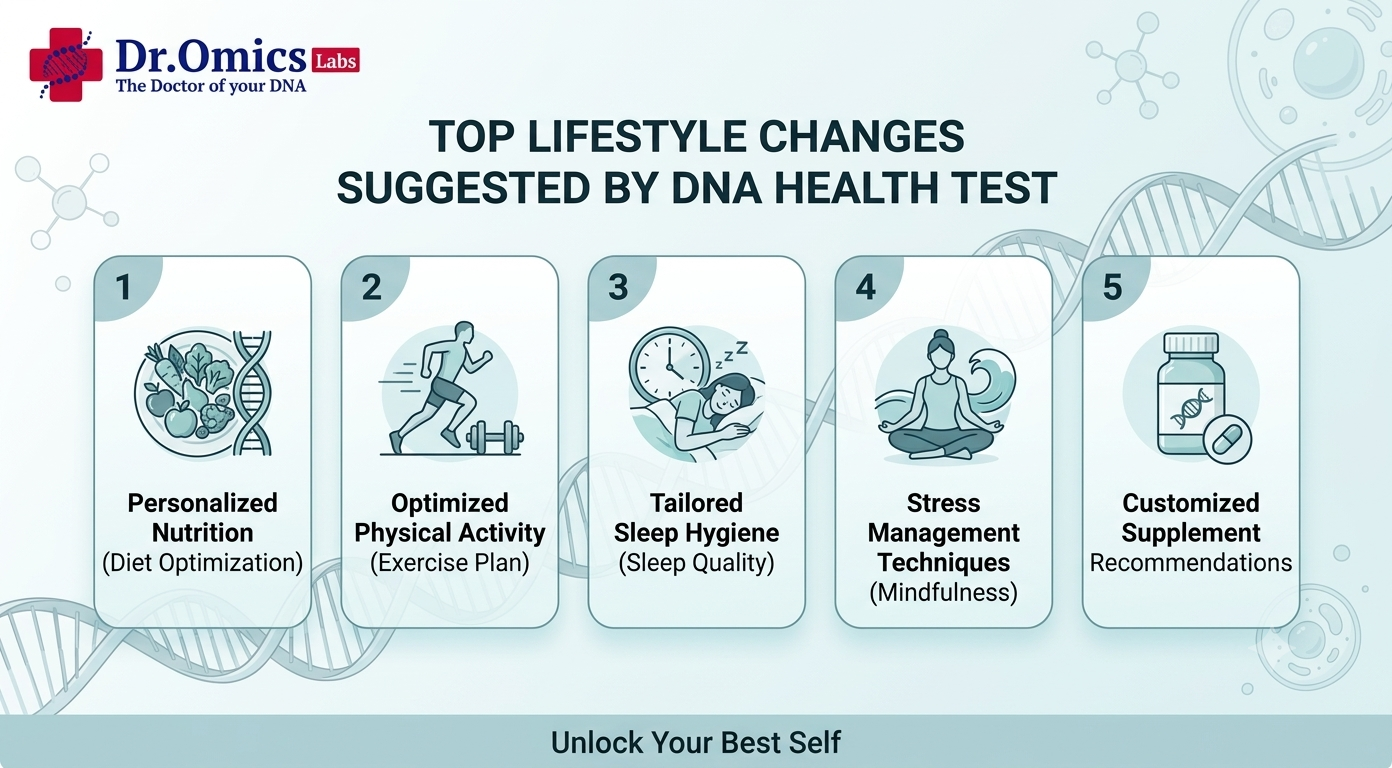
As personalized healthcare continues to evolve, more people are asking, what can a wellness DNA test tell me about my health and future risks? A comprehensive DNA health test goes beyond ancestry—it provides insights into your genetic predisposition for nutrition, fitness, sleep, metabolism, inflammation, medication response, and disease susceptibility. While genes don’t determine your destiny, they can help you make informed lifestyle decisions.
How Does a DNA Health Test Work?
Many people wonder, how does a DNA health test work. Typically, the process begins with a saliva or cheek swab sample. The DNA is analyzed to identify genetic variants associated with metabolism, nutrient processing, disease risk, and lifestyle traits. Some advanced tests also include epigenetic testing, helping answer what does DNA methylation reveal about biological aging and gene activity influenced by your environment and habits.
Top Lifestyle Changes Based on DNA
1. Personalized Nutrition
One of the biggest benefits of what is nutrigenomics testing is creating a nutrition plan tailored to your genes. Your results may reveal how efficiently your body processes carbohydrates, fats, caffeine, lactose, or certain vitamins. While a DNA test generally cannot diagnose nutrient deficiencies directly, it may indicate genetic variants that influence nutrient metabolism, which is why people ask, can DNA test show vitamin deficiencies.
2. Smarter Exercise Plans
Your genes influence muscle composition, endurance, recovery, and injury risk. Understanding these factors helps optimize your fitness routine, making how to personalize wellness with DNA a practical reality rather than guesswork.
3. Better Sleep Habits
If you’ve ever asked, can DNA testing improve my sleep, genetic insights may help identify predispositions related to circadian rhythm, melatonin regulation, and sleep quality. While lifestyle remains important, personalized sleep strategies may improve overall wellness.
4. Managing Inflammation
Many individuals ask, what does my DNA say about inflammation. Certain genetic variants are associated with inflammatory pathways that may influence susceptibility to chronic inflammation. Knowing this can encourage healthier dietary choices, regular exercise, stress management, and maintaining a healthy weight.
5. Healthy Aging
Genetics also contribute to the aging process. Understanding how does genetics affect aging through DNA methylation and other biomarkers can encourage proactive habits like regular physical activity, balanced nutrition, quality sleep, and avoiding smoking.
6. Medication Optimization
Another valuable application is learning how does pharmacogenomics work. Pharmacogenomics studies how genetic differences influence medication response, helping healthcare providers choose treatments that may be more effective or have fewer side effects.
Can DNA Predict Disease Risk?
A common question is, does DNA testing predict disease risk. DNA testing identifies inherited genetic predispositions—not certainties. For example, it may estimate your likelihood of developing certain conditions, including cardiovascular disease, leading many people to ask, can DNA test predict heart disease risk. Lifestyle, environmental factors, and regular medical care continue to play critical roles in overall health.
Similarly, while people often ask, can DNA test detect food intolerances, most DNA tests identify genetic predispositions that may influence digestion or food sensitivity rather than diagnosing food allergies or intolerances. Clinical evaluation remains essential.
Is At-Home DNA Testing Reliable?
Consumers frequently ask, can at home DNA testing be trusted and how accurate are wellness DNA tests 2026. Reputable laboratories that follow validated testing standards can provide accurate genetic data. However, interpretation matters. Consulting qualified healthcare professionals or genetic counselors helps ensure you know how to interpret DNA wellness results correctly and understand the clinical significance of your findings.
Is Preventive Genetic Testing Worth It?
For many people, is preventive genetic testing worth it depends on their health goals. When combined with medical history, regular screenings, and healthy lifestyle choices, genetic testing can support more personalized wellness decisions. Rather than predicting your future, it empowers you to make informed choices today—helping transform genetic insights into practical, everyday lifestyle improvements.

