
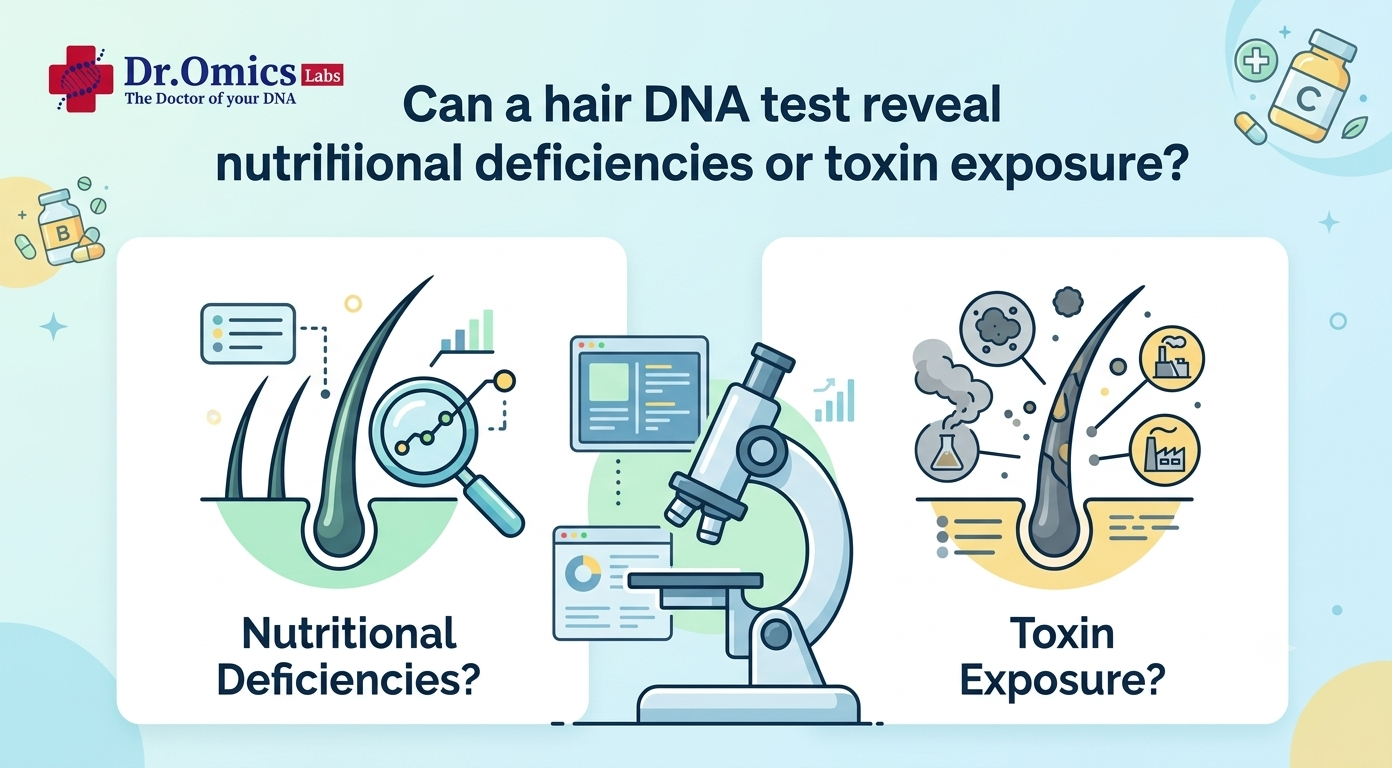
With the rise of direct-to-consumer (DTC) genetic testing, many people wonder whether a hair DNA test can uncover hidden health concerns such as nutritional deficiencies or toxin exposure. While these tests have gained popularity, understanding their capabilities and limitations is essential before purchasing a kit online.
What Is Hair DNA Analysis Used For?
One of the most common questions is, what is hair DNA analysis used for? Hair samples can be analyzed for certain minerals, heavy metals, or environmental contaminants. However, this differs from DNA testing. The DNA extracted from hair primarily provides genetic information, while hair mineral analysis measures substances deposited in the hair shaft over time. Therefore, can hair DNA tests show deficiencies? The answer is generally no. Hair DNA itself cannot diagnose vitamin or mineral deficiencies, although separate laboratory hair analysis may provide clues that require medical confirmation.
What Can Direct-to-Consumer DNA Test Tell Me?
Many consumers ask, what can direct-to-consumer DNA tests tell me? Most DTC DNA kits analyze genetic variations associated with ancestry, inherited traits, wellness insights, and potential health risks. Some tests estimate predisposition to conditions such as diabetes or heart disease, leading people to ask, can consumer DNA tests show diabetes risk or are heart DNA test kits accurate? These tests may identify genetic risk factors but cannot predict whether you will develop a disease. Lifestyle, environment, and medical history remain equally important.
Are At Home DNA Test Kits Reliable?
A frequent concern is, are at home DNA test kits reliable? Reputable companies generally provide accurate genetic sequencing for the variants they test. However, how accurate are ancestry health combo tests depends on the quality of the database, scientific evidence, and interpretation methods. Results should be viewed as informational rather than diagnostic.
What Is the Difference Between Clinical and Consumer DNA Tests?
Understanding what is the difference between clinical and consumer DNA tests is crucial. Clinical genetic tests are ordered by healthcare professionals, performed in certified laboratories, and used for medical diagnosis or treatment decisions. Consumer DNA tests are designed for educational or wellness purposes and often do not meet the same diagnostic standards.
What Are Risks of Consumer Genetic Testing?
Before purchasing a kit, it’s important to understand what are risks of consumer genetic testing. These include false reassurance, unnecessary anxiety, privacy concerns, and misunderstanding results. This also raises ethical concerns of DTC testing, including data security, informed consent, and the sharing of genetic information with research or commercial partners.
Another important consideration is can consumer genomics reveal family secrets. Unexpected discoveries about biological relationships, ancestry, or inherited conditions may have emotional and social consequences.
Can DTC Test Guide Lifestyle Changes?
Many people ask whether the DTC test guides lifestyle changes. While genetic insights may encourage healthier habits, they should complement—not replace—professional medical advice. Learning how to interpret consumer DNA results correctly is essential, as many genetic findings only indicate probability rather than certainty.
This is also why genetic counseling is important for DTC testing. A qualified genetic counselor can explain complex results, discuss health implications, and recommend appropriate follow-up testing when necessary.
What to Consider Before Buying DNA Kit
If you’re wondering what to consider before buying a DNA kit, evaluate the company’s scientific credibility, privacy policy, health reports, customer support, and laboratory certifications. Ask yourself what do DTC DNA tests cover, whether you need ancestry, health insights, or wellness reports.
Although the DTC genetic testing market continues to reflect increasing consumer interest, it’s equally important to recognize what are limitations of at-home DNA tests. They cannot diagnose nutritional deficiencies, confirm toxin exposure, or replace comprehensive medical evaluations.
Final Thought
So, is consumer genomics safe? Generally, yes—when you choose a reputable provider and understand the test’s limitations. A hair DNA test cannot reliably diagnose nutritional deficiencies or toxin exposure, but consumer genetic testing can offer valuable insights into inherited traits and potential health risks. Always interpret results carefully and consult healthcare professionals before making medical or lifestyle decisions based solely on consumer DNA reports.

