In the high-performance culture of 2026, we have optimized our step counts, our sleep cycles, and our diets. Yet, for many, the “final frontier” remains the three-pound organ between our ears. We often treat brain health as a mystery—something that either stays sharp or fades away due to luck.
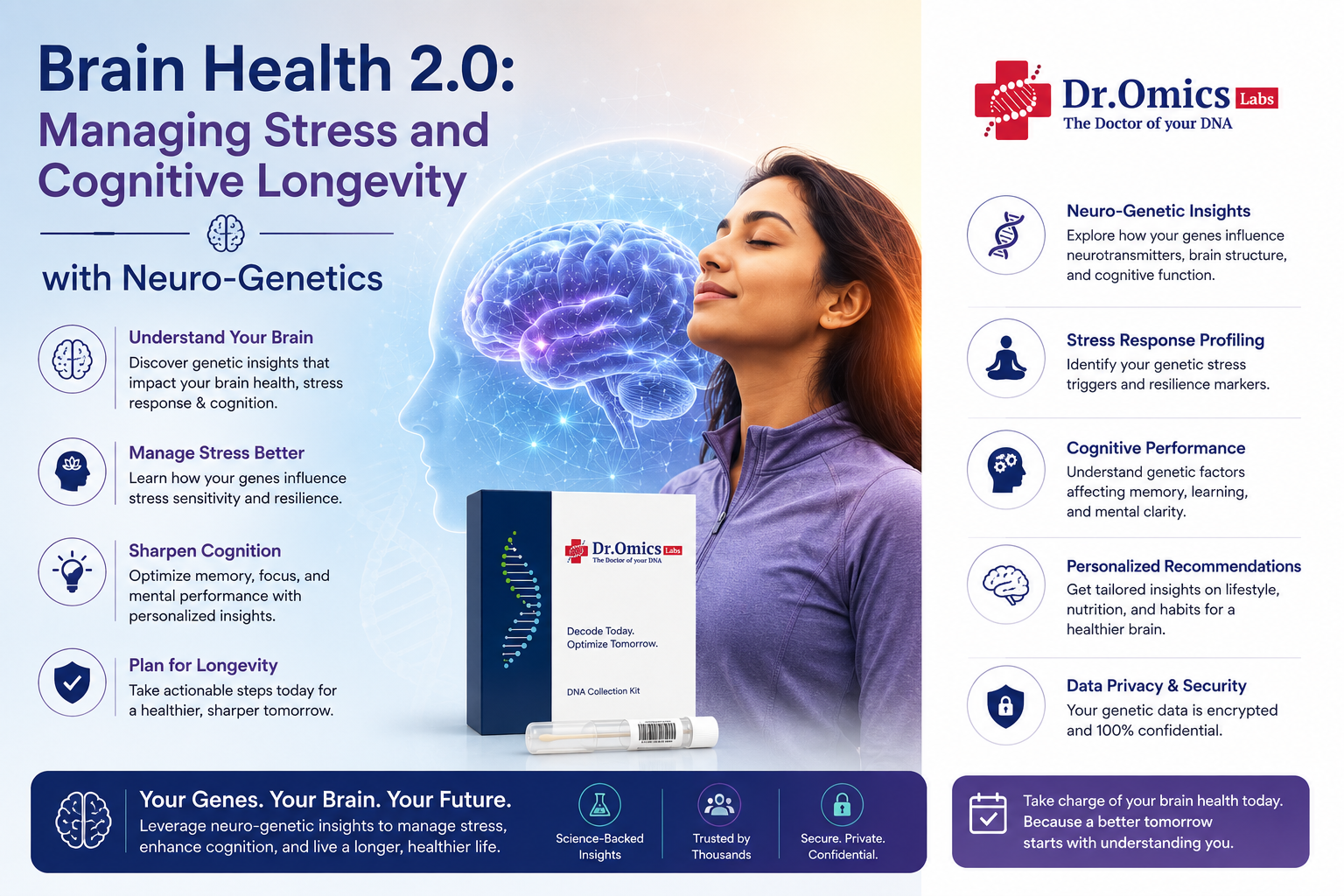
Enter Brain Health 2.0. Through the rise of neuro-genetics, we are finally moving away from guesswork. By utilizing a Neuro DNA test, we can now map the unique biological pathways that govern how we process stress and how our brains age. This is no longer just about identifying disease; it is about genetic brain wellness and proactively building a more resilient mind.
The Science of the Stress Response DNA
We all know someone who remains “cool as a cucumber” under pressure, while others feel the physical toll of a stressful meeting for hours. This isn’t just a personality trait; it is deeply rooted in your stress response DNA.
Modern neurological risk screening focuses heavily on the COMT gene (Catechol-O-methyltransferase). This gene acts like a “metabolic vacuum cleaner” for dopamine in the prefrontal cortex.
- The “Warriors”: Some people have a high-activity COMT gene that clears dopamine quickly. They thrive in high-stress environments but may struggle with focus during boring, repetitive tasks.
- The “Worriers”: Others have a low-activity variant that keeps dopamine levels high. This leads to incredible focus and “super-tasking” abilities under normal conditions, but can cause a “system overload” and high anxiety when stress levels peak.
Knowing where you fall on this spectrum allows you to curate your environment and your career to match your biological hardware, rather than constantly fighting against it.
Cognitive Longevity: Beyond the “Senior Moment”
When we talk about cognitive health genetics, the conversation often jumps straight to late-life memory loss. However, neurological risk screening in 2026 is far more nuanced. We are now looking at the genes that govern “Brain-Derived Neurotrophic Factor” (BDNF).
BDNF is often described as “Miracle-Gro for the brain.” It is a protein that helps repair brain cells and grow new ones.
- If your Neuro DNA test shows a variation that leads to lower natural BDNF production, you are more vulnerable to the cognitive “wear and tear” of aging.
- The good news? BDNF is highly “epigenetic.” This means that while your genes might set a lower baseline, specific triggers—like high-intensity aerobic exercise or heat exposure (saunas)—can force your body to produce more.
For the person with this genetic profile, exercise isn’t just about weight loss; it is a vital prescription for cognitive longevity.
Neuro-Genetics and the Inflammation Connection
A major pillar of genetic brain wellness is managing “neuro-inflammation.” The brain has its own dedicated immune system, and some of us are genetically predisposed to an overactive inflammatory response.
Variations in genes like IL-6 or TNF-alpha can dictate how your brain reacts to a poor night’s sleep or a high-sugar meal. For someone with “pro-inflammatory” markers, these lifestyle slips don’t just cause a headache; they cause a temporary “brain fog” that, over decades, can contribute to significant neurological decline.
By identifying these risks early through a cognitive health DNA test, individuals can adopt a “Neuro-Protective” diet—high in specific antioxidants and polyphenols—that acts as a shield for their neural pathways.
The 2026 Approach: Precision Mental Health
The most exciting shift in Brain Health 2.0 is the move toward precision mental health. We are beginning to understand why certain people respond beautifully to meditation, while others find more peace in rhythmic, repetitive movement.
Insight: Your DNA influences your neurotransmitter receptors. This means your “stress-busting” strategy should be as unique as your thumbprint.
If your Neuro DNA test indicates a specific sensitivity to glutamate (the brain’s primary “excitatory” chemical), your path to longevity might involve avoiding certain food additives and prioritizing GABA-boosting activities like yoga or specific breathwork patterns that quiet the nervous system.
How to Navigate Your Neurological Future
If you are ready to upgrade to Brain Health 2.0, the process is more accessible than ever. Here is how to apply neuro-genetics to your life:
- Get a Targeted Neuro DNA Test: Move beyond “ancestry” and look for a test that specifically analyzes cognitive function, neurotransmitter balance, and neuro-inflammation markers.
- Audit Your Stressors: Use your stress response DNA data to evaluate your lifestyle. If you are a “Worrier” type, you may need to build “buffer zones” into your calendar to prevent dopamine overload.
- Optimize Your “Brain Fuel”: Use your genetic data to choose supplements and foods that support your specific weaknesses—whether that’s methylated B-vitamins for DNA repair or high-dose Omega-3s for membrane health.
- Prioritize Sleep Architecture: Many neurological risks are mitigated by the “cleansing” that happens during deep sleep. Use your genetic insights to determine if you need extra support in your sleep hygiene routine.
Conclusion
The goal of Brain Health 2.0 is not to live in fear of our genetic code, but to use it as a tool for empowerment. By understanding our cognitive health genetics, we can stop the “shotgun approach” to wellness and start using high-precision interventions.
Managing stress and ensuring cognitive longevity is no longer a game of chance. With neuro-genetics, you are the architect of your own brain health. The future of your mind is literally written in your code—it’s time to read it and take control.