
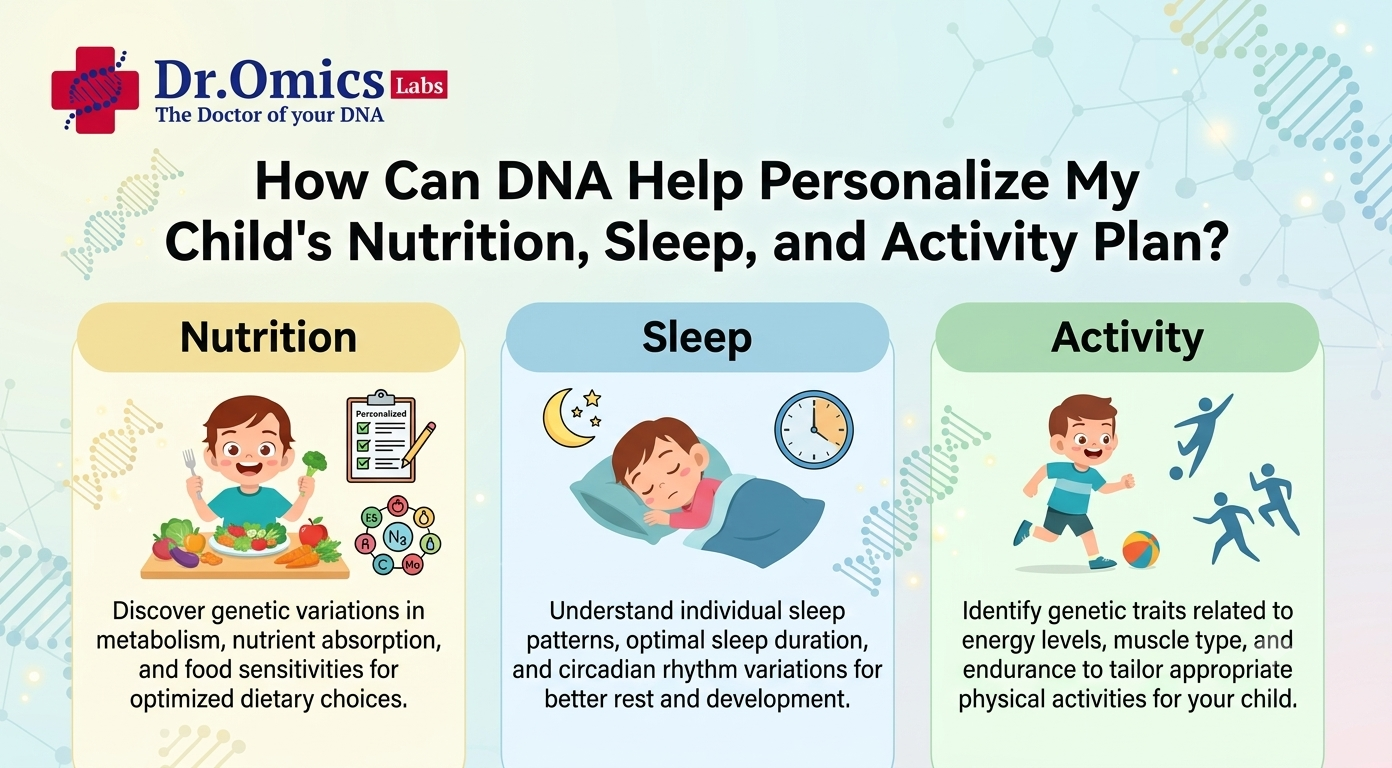
Every child is unique, and so are their nutritional needs, sleep habits, and physical abilities. Advances in pediatric genomic profiling are helping families better understand how genetics can influence a child’s health and development. While DNA cannot predict every aspect of a child’s future, it can provide valuable insights that, when combined with regular medical care, healthy habits, and pediatric guidance, help parents make informed lifestyle choices.
What Can a Child DNA Test Reveal?
Parents often ask, what can a child DNA test reveal? Modern genetic tests can identify inherited traits related to nutrient metabolism, lactose digestion, taste preferences, exercise response, and certain health risks. Some clinical tests may also detect genetic conditions associated with growth, metabolism, or developmental disorders when medically indicated.
For wellness-focused testing, DNA reports may highlight how to personalize child nutrition with DNA, optimize physical activity, and support healthy sleep routines.
Is DNA Testing Safe for Children?
One of the most common questions is is DNA testing safe for children? The answer is yes. Most consumer and clinical DNA tests require only a saliva sample or cheek swab, making the process painless and non-invasive. Parents should choose accredited laboratories that follow strict quality and privacy standards.
Healthcare providers also recommend discussing results with qualified professionals, especially when findings could influence medical decisions.
How Does Pediatric Genetic Testing Work?
Many parents wonder how does pediatric genetic testing work. After collecting a saliva or cheek swab sample, laboratory specialists analyze selected genetic markers or, in clinical settings, larger portions of the genome.
Depending on the purpose, doctors may recommend:
- Chromosomal microarray test for identifying missing or duplicated chromosome segments.
- Whole exome sequencing for kids when investigating unexplained developmental or inherited conditions.
- Targeted genetic panels for specific medical concerns.
These clinical tests differ from wellness DNA tests, which focus on nutrition, fitness, and lifestyle traits rather than diagnosing diseases.
Personalizing Nutrition Through Genetics
Genetics can influence how children process vitamins, minerals, and certain foods. For example, DNA may indicate can DNA test show lactose intolerance in kids by identifying variants associated with reduced lactose digestion.
Another interesting genetic marker is TAS2R38 picky eater gene, which affects bitter taste perception. Children with certain variants may naturally dislike vegetables like broccoli or Brussels sprouts. Understanding these preferences can help parents introduce foods creatively instead of assuming stubborn behavior.
Some parents also ask can DNA test identify child allergies. While DNA can reveal genetic susceptibility to certain immune responses, it cannot diagnose food allergies. Clinical allergy testing remains the appropriate diagnostic method.
Sleep, Activity, and Healthy Growth
Genes may influence sleep timing, recovery, energy metabolism, and exercise response. Combined with functional assessments and pediatric guidance, DNA insights can help create age-appropriate activity plans rather than one-size-fits-all routines.
Parents frequently ask does DNA predict child obesity risk. Genetic markers can indicate increased susceptibility to weight gain, but they do not determine destiny. Healthy eating, regular exercise, sufficient sleep, and supportive family habits remain the strongest predictors of long-term wellness.
Similarly, how does DNA help child growth involves understanding nutrient utilization, metabolism, and inherited growth patterns alongside routine pediatric monitoring.
Medical Applications of Pediatric DNA Testing
Clinical genetics has transformed the diagnosis of childhood conditions. Families often ask can DNA detect developmental delays in children. When recommended by specialists, genetic testing may identify inherited syndromes associated with developmental differences, allowing earlier interventions.
Parents may also wonder what conditions can child DNA screen for. Depending on the clinical indication, testing may evaluate inherited metabolic disorders, chromosomal abnormalities, rare genetic diseases, and other medically relevant conditions.
Frequently Asked Questions
Many parents ask what age is best for child genetic testing. For medical concerns, testing may be appropriate at any age when recommended by a physician. Wellness testing is generally most useful when results can support healthy lifestyle planning rather than medical diagnosis.
Questions such as are kids DNA tests reliable depend largely on laboratory quality, scientific validation, and the purpose of testing. Likewise, how much does child DNA test cost varies significantly based on whether the test is a wellness panel, targeted clinical analysis, chromosomal microarray, or whole exome sequencing.
Professional organizations, including the AAP guidelines for child DNA testing, emphasize that genetic testing in children should prioritize the child’s best interests and be performed when results are expected to provide meaningful health benefits.
Conclusion
As genomic science advances, DNA testing offers exciting opportunities to support personalized nutrition, sleep, and activity planning for children. While genetics can provide valuable insights, it should always complement—not replace—regular pediatric care, balanced nutrition, physical activity, and healthy family routines. When used responsibly and interpreted with healthcare professionals, pediatric genetic testing can become an important tool for supporting lifelong health and well-being.

