
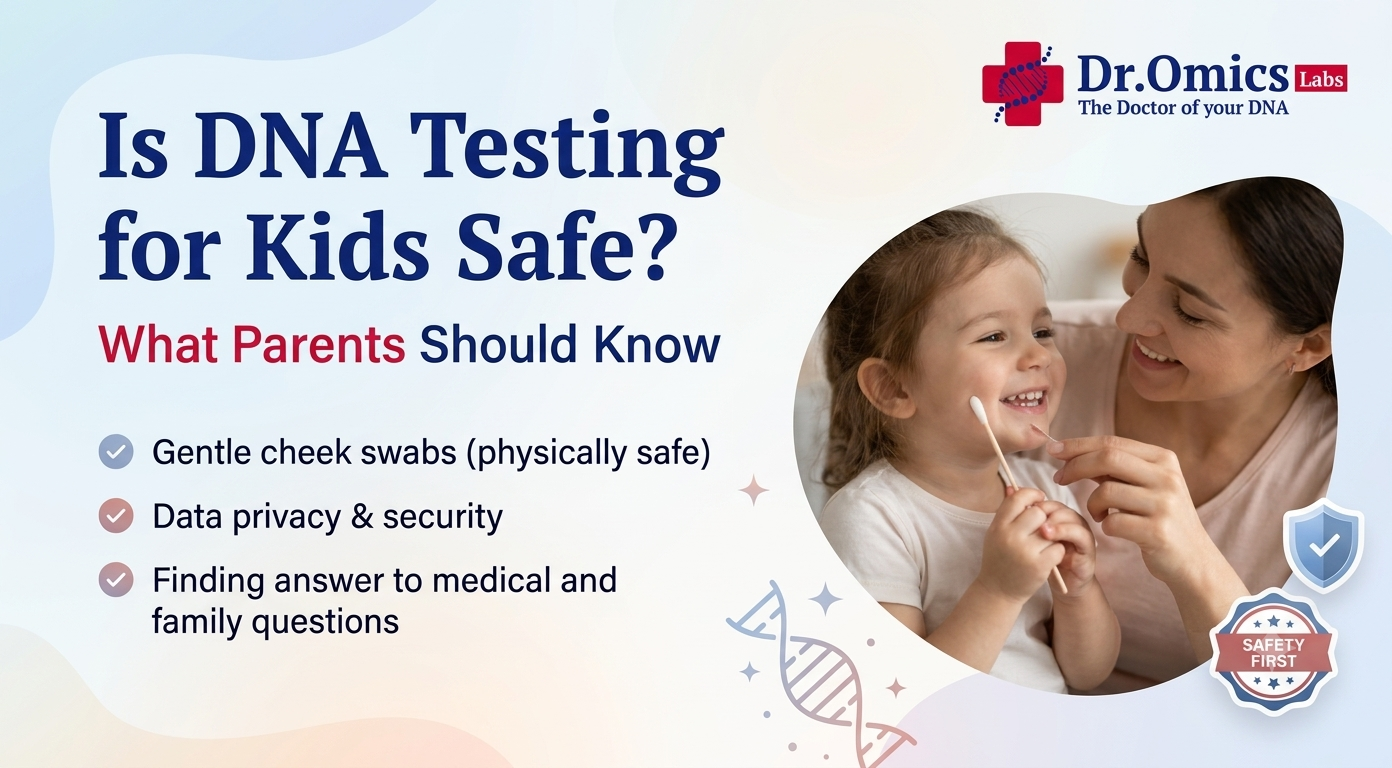
As at-home health kits and clinical genetics become more accessible, many caregivers find themselves asking a crucial question: is kids DNA test safe? Whether you are exploring a test for medical clarity, ancestry, or biological relationships, understanding the physical, emotional, and privacy aspects of the process is essential. This parental guide genetic testing walks you through what happens during a test, the ethical considerations involved, and how to make an informed choice for your family.
Understanding Child DNA Testing Safety
From a purely physical standpoint, child DNA testing safety is exceptionally high. Most pediatric DNA tests—both clinical and at-home—use a simple buccal swab rubbed gently against the inside of the child’s cheek, or a small saliva sample. Unlike blood draws, cheek swabs are completely non-invasive, painless, and safe even for newborns from day one. In clinical settings where a blood sample is occasionally required, risks are limited to minor temporary bruising or discomfort at the needle site.
However, true safety goes beyond the physical swab. Parents must also consider data security and emotional readiness. Clinical genetic tests ordered through a pediatrician or hospital are strictly protected under medical privacy laws. Direct-to-consumer kits, on the other hand, vary widely in how they store, share, or anonymize genetic data, making it vital to read privacy policies carefully before submitting a child’s sample.
Navigating Genetic Testing Ethics Children
When considering DNA testing for minors, medical organizations like the American Academy of Pediatrics and the American Medical Association emphasize the principles of genetic testing ethics children. Because children cannot yet provide full legal consent, healthcare providers and ethicists recommend testing minors primarily when the results offer clear, immediate medical benefits—such as diagnosing a developmental condition, identifying treatable inherited disorders, or guiding targeted therapies.
Predictive testing for adult-onset conditions that have no childhood treatments is generally discouraged until the child is old enough to decide for themselves. Preserving a child’s “right to an open future” protects them from unnecessary anxiety, stigma, or unintended psychological burdens while growing up. Involving older children and adolescents in the conversation—known as pediatric assent—also helps build trust and ensures their voice is respected.
Kids DNA Test FAQ
To help clear up common concerns, here is a quick kids DNA test FAQ covering what parents ask most often:
- At what age can a child take a DNA test?Because cheek swabs are non-invasive, DNA testing can be performed safely at any age, including on newborn infants.
- Are at-home kits as reliable as clinical tests?Accredited laboratories provide high accuracy for relationship or ancestry testing, but over-the-counter kits are not designed for medical diagnosis. Always consult a physician or genetic counselor for health-related concerns.
- How should I prepare my child for a cheek swab?For infants and toddlers, wait at least 30 minutes after eating or drinking so food, milk, or formula residue does not interfere with the sample. Explain to older kids that it feels just like brushing the inside of their cheek with a soft cotton tip.
- Who should see my child’s results?Keep results confidential and share them only with trusted healthcare providers. As your child matures, share age-appropriate details so they understand their own health history.
Conclusion
Ultimately, is kids DNA test safe comes down to choosing the right setting and purpose for your child’s needs. Physically, cheek-swab DNA collection is painless, quick, and risk-free for children of all ages. By prioritizing accredited laboratories, safeguarding digital privacy, and grounding decisions in your child’s immediate well-being, you can navigate genetic insights responsibly and confidently.

