
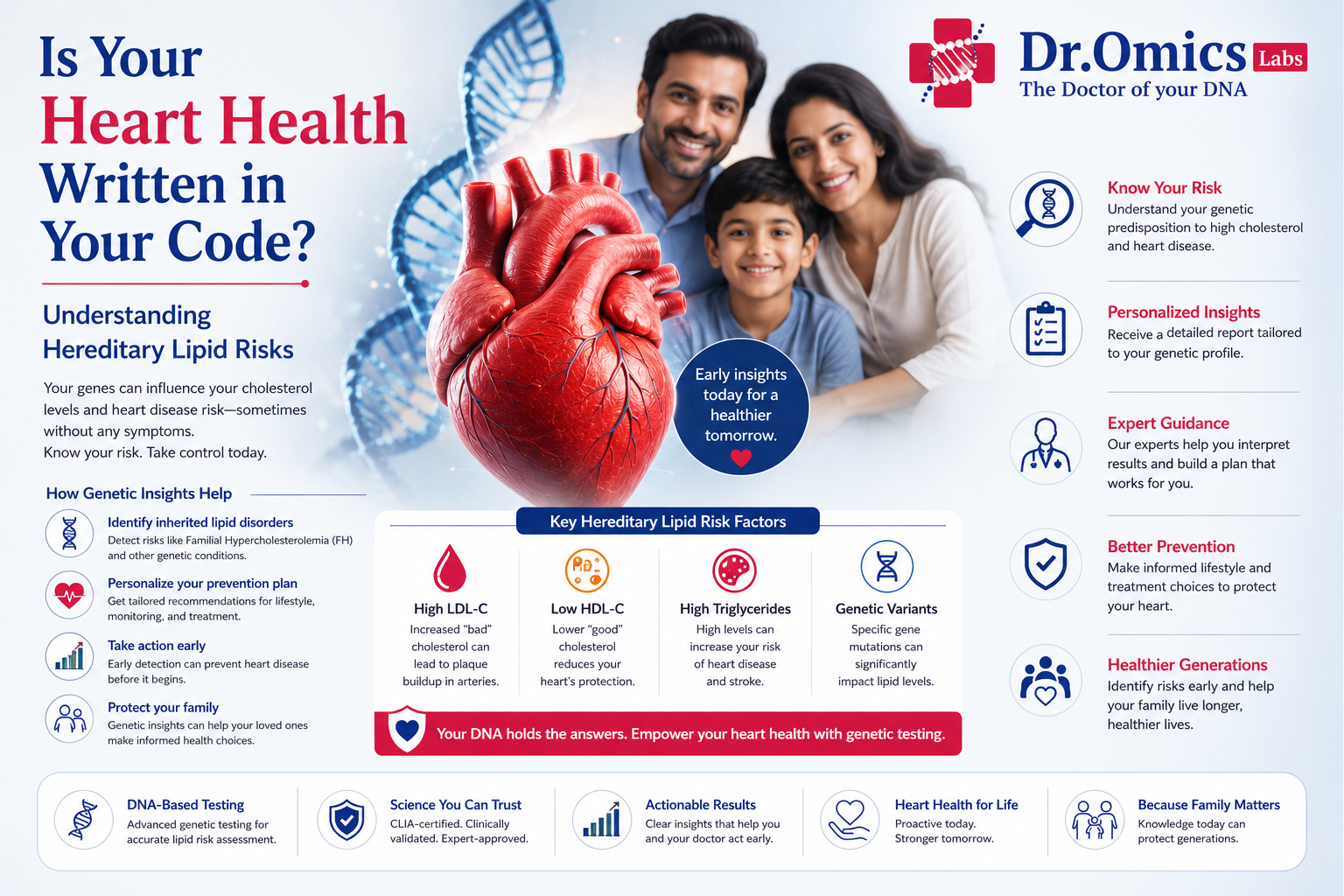
When we think about heart health, we often focus on the variables we can see: the food on our plates, the miles on our running shoes, and the numbers on our bathroom scales. However, for many individuals, the most significant factor in their cardiovascular profile is invisible. It is tucked away within their double helix, dictated by a complex sequence of nucleotides.
If you’ve ever wondered why someone with a pristine diet still struggles with high cholesterol, the answer likely lies in cardio genomics. The reality is that for a significant portion of the population, heart health is—at least in part—written in their code.
The Hidden Danger of Genetic Cholesterol Risk
Cholesterol management is frequently framed as a lifestyle issue, but genetic cholesterol risk plays a massive role in how our bodies produce, circulate, and clear lipids. The most well-known example is Familial Hypercholesterolemia (FH). This is a genetic condition that prevents the liver from recycling “bad” LDL cholesterol, leading to dangerously high levels from birth.
Without a Heart DNA test, many people with FH or similar hereditary predispositions go undiagnosed for decades. They may appear perfectly healthy on the outside while their arteries are being silently impacted by lipids their bodies are genetically programmed to overproduce. By identifying these hereditary heart disease markers early, we can move from reactive treatment to proactive prevention.
How a Heart DNA Test Changes the Narrative
In the past, the only way to gauge genetic risk was by looking at your family tree. If your parents or grandparents had early heart attacks, you were told to be careful. While family history is a valuable tool, it is often incomplete. You may not have inherited the specific risk alleles your parents carry, or you may have inherited a combination of markers that puts you at a higher risk than either of them.
A modern Heart DNA test removes the ambiguity. By analyzing specific genes such as LDLR, APOB, and PCSK9, clinicians can provide a high-definition view of your cardiovascular blueprint. This data allows for:
- Precision Screening: Knowing exactly which lipid fractions are influenced by your genetics.
- Early Intervention: Starting cholesterol-lowering strategies in early adulthood rather than waiting for an “adverse event.”
- Targeted Therapy: Understanding if your body will respond better to traditional statins or newer, more advanced treatments designed for specific genetic profiles.
Building Your Personalized Heart Health Roadmap
The goal of cardio genomics isn’t to provide a grim prophecy; it’s to offer a personalized heart health roadmap. When you understand your genetic load, you can stop guessing and start strategizing.
For example, if your DNA shows a high sensitivity to saturated fats, you can focus your dietary efforts there with high precision. If your genetic markers suggest a predisposition for inflammation, you can prioritize anti-inflammatory foods and lifestyle shifts that specifically counter that biological tendency. It’s about doing what works for your body, not what works for the “average” person.
Taking Control of Your Genetic Destiny
It is a common misconception that having a “bad” heart gene means you are destined for heart disease. In the world of epigenetics, “DNA loads the gun, but lifestyle pulls the trigger.” Identifying your hereditary heart disease markers is the most empowering step you can take. It gives you the “Genetic Guard” needed to make the specific choices that will keep your heart beating strong for decades to come.
As we move into an era of high-tech wellness, the Heart DNA test is becoming a standard tool for anyone serious about longevity. Don’t wait for a warning sign from your body. Look at the code itself, understand your genetic cholesterol risk, and take command of your cardiovascular future today. Your heart has a story to tell—make sure you have the tools to read it.

