
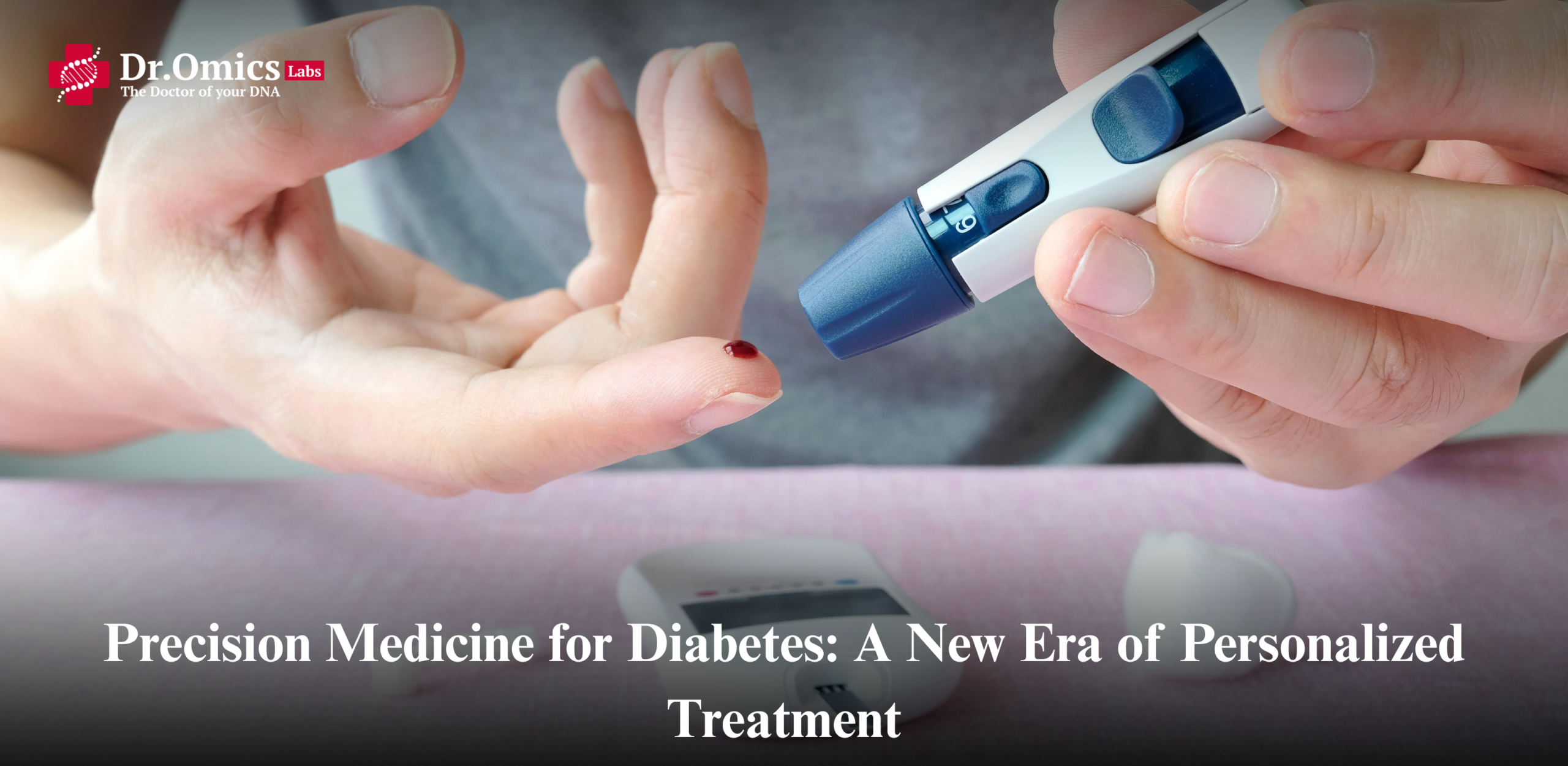
Diabetes management has long relied on a “one-size-fits-all” approach, with standard medications, diets, and lifestyle recommendations applied broadly. Yet, not every patient responds the same way to treatment. Genetics, metabolism, and lifestyle factors interact uniquely in each individual, influencing blood sugar control, medication effectiveness, and long-term outcomes. This is where precision medicine for diabetes is transforming care—tailoring treatment to each patient’s unique biological profile.
Understanding Pharmacogenomics in Diabetes
Pharmacogenomics diabetes studies how an individual’s genetic makeup affects their response to medications. Variations in genes can influence how quickly drugs are metabolized, their efficacy, and the risk of side effects. For example, two patients taking the same dose of metformin may experience vastly different results due to genetic differences in absorption or liver metabolism.
By integrating pharmacogenomics into diabetes care, physicians can choose medications more effectively, optimize dosing, and reduce trial-and-error prescriptions, improving both safety and outcomes.
The Role of DNA in Diabetes Treatment
DNA diabetes treatment involves analyzing genetic markers that influence disease risk, progression, and therapeutic response. Genetic testing can identify patients at higher risk of complications such as cardiovascular disease, kidney impairment, or neuropathy. This allows clinicians to tailor interventions proactively, rather than waiting for complications to develop.
Beyond risk prediction, DNA insights guide personalized dietary and lifestyle recommendations, ensuring that management strategies align with an individual’s metabolic profile.
Personalized Diabetes Management
Personalized diabetes management uses genomics, pharmacogenomics, and lifestyle data to create a comprehensive, patient-specific care plan. This approach addresses multiple dimensions of diabetes, including:
- Optimal medication selection based on genetic response
- Nutritional plans aligned with metabolic tendencies
- Exercise programs tailored to insulin sensitivity and energy utilization
- Early interventions for potential complications
By focusing on the individual rather than the population, personalized management enhances efficacy, reduces side effects, and empowers patients to take control of their health.
Genomics in Diabetes: Shaping the Future of Care
Genomics in diabetes is revolutionizing how the disease is understood and treated. Beyond guiding medication choices, genomic insights can reveal new therapeutic targets, enabling the development of innovative treatments. Researchers are exploring how specific gene variants influence beta-cell function, insulin resistance, and glucose metabolism, paving the way for next-generation therapies.
Incorporating genomics into clinical practice supports proactive care, enabling early detection and prevention of complications while optimizing long-term outcomes.
Benefits of Precision Medicine for Diabetes
Precision medicine offers numerous advantages for patients and healthcare providers:
- Tailored therapies: Medication and lifestyle interventions are matched to genetic and metabolic profiles.
- Reduced side effects: Pharmacogenomics helps avoid drugs that may cause adverse reactions.
- Better blood sugar control: Personalized plans improve glycemic outcomes and overall health.
- Preventive approach: High-risk individuals receive proactive monitoring and early intervention.
- Empowered patients: Patients gain a deeper understanding of how their biology affects their condition.
By integrating genomics into diabetes care, precision medicine transforms the management of a complex, lifelong disease.
Conclusion
The era of precision medicine for diabetes marks a significant shift from generic treatment protocols to highly individualized care. Through pharmacogenomics diabetes, DNA diabetes treatment, and personalized diabetes management, patients and clinicians can optimize therapy, reduce complications, and improve quality of life.
Harnessing the power of genomics in diabetes, healthcare providers can deliver smarter, safer, and more effective treatments—ushering in a new age of precision, prevention, and personalized care for everyone living with diabetes.

