
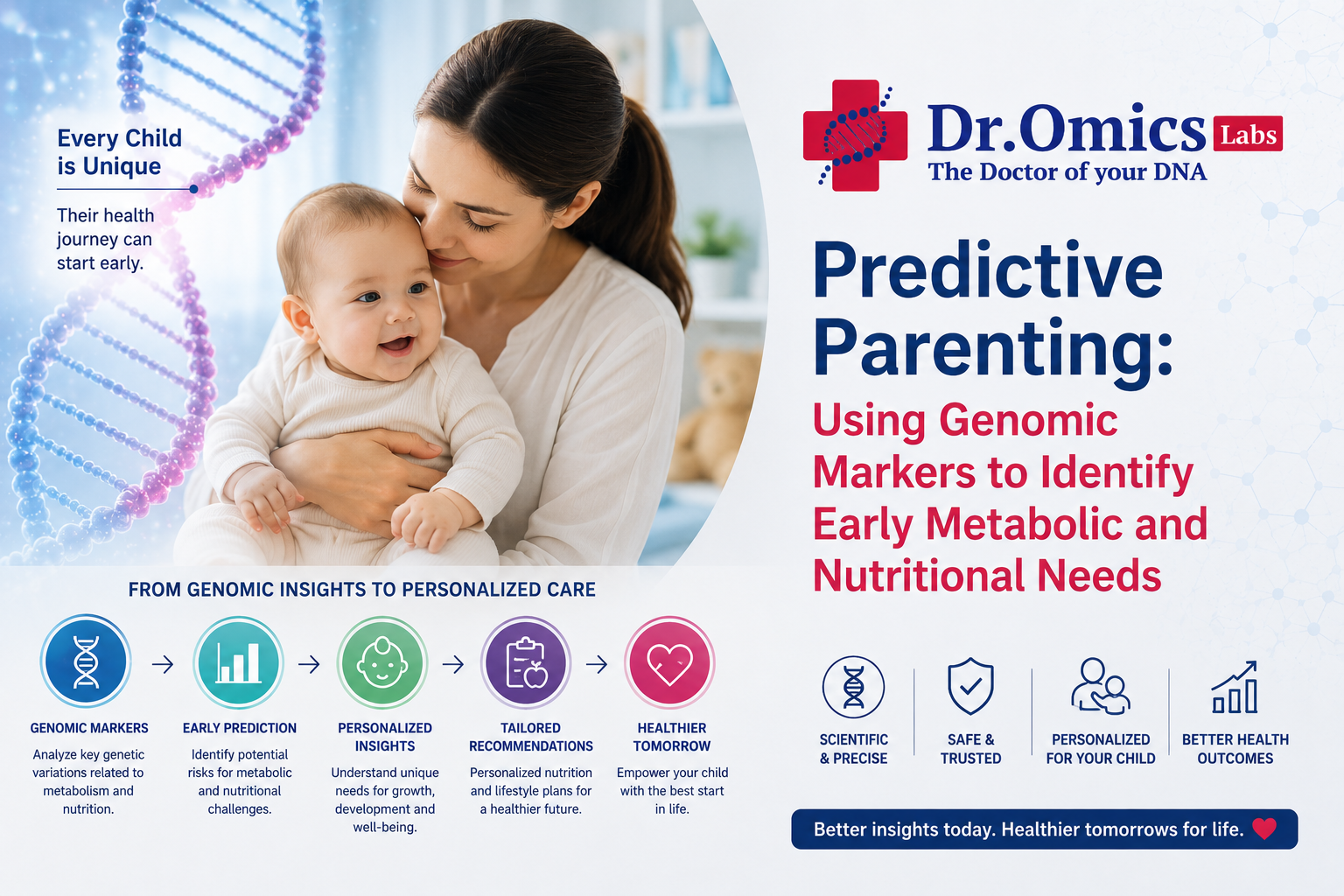
In 2026, the concept of “parental intuition” is getting a high-tech upgrade. While every parent knows their child is unique, we’ve historically relied on a process of elimination to figure out their specific needs—trying different milks, observing energy crashes, or worrying about “picky eating.”
Enter predictive parenting. Through pediatric genomic profiling, parents are now uncovering their children’s biological blueprints long before issues arise. By identifying early-stage metabolic traits, families can move away from guesswork and toward a genetic diet for kids that optimizes growth, mood, and long-term health.
Lil Genie DNA Analysis: Understanding the “Startup” Phase
The first few years of a child’s life are a critical “startup” phase for their metabolism. A Lil Genie DNA analysis—a comprehensive pediatric screen—is designed to look at the genetic variations that govern how a child’s developing body processes the world around them.
Unlike adult tests that focus on aging or disease management, these pediatric profiles focus on the building blocks:
- Micronutrient Absorption: Does your child have the MTHFR variant that affects folate processing? Or a GC gene variation that makes them more susceptible to Vitamin D deficiency?
- Macronutrient Efficiency: Some children are genetically predisposed to process fats more slowly (linked to the FTO gene), while others may have a high sensitivity to refined carbohydrates.
- Taste and Sensitivity: Genetics can even explain “fussy” eating. Variants in the TAS2R38 gene can make certain vegetables taste incredibly bitter to some children (the “super-taster” trait), reframing a behavioral struggle as a biological reality.
Identifying Early-Stage Metabolic Traits
One of the most significant benefits of pediatric genomic profiling is the ability to spot early-stage metabolic traits that aren’t yet visible on a standard growth chart. In the past, metabolic issues were often only addressed once a child fell into a specific BMI percentile or showed signs of lethargy.
Today, we use Polygenic Risk Scores (PRS) to identify children who may be at a higher risk for childhood obesity or early-onset insulin resistance.
- Proactive, Not Reactive: If a child has a high genetic predisposition for metabolic storage, parents can focus on low-glycemic feeding and high-activity play styles from the toddler years, effectively “coding around” the risk.
- Energy Regulation: DNA testing can reveal how a child’s body manages glucose. This helps parents understand the “sugar crashes” that often lead to tantrums, allowing for a meal schedule that keeps blood sugar stable.
The Genetic Diet for Kids: Precision Fueling
The term “diet” often carries a negative connotation, but in the world of neurogenomics and pediatrics, a genetic diet for kids is simply about precision fueling. It’s about giving a child’s specific machinery the specific fuel it needs to run at peak performance.
Tailoring the Lunchbox
If a Lil Genie DNA analysis reveals a predisposition for lactose intolerance or gluten sensitivity, parents can make dietary adjustments before the child experiences the digestive distress and inflammation that can interfere with school and play.
Cognitive Support
Brain development is the primary job of a child’s body. Genomic profiling can identify a higher need for specific fatty acids (like Omega-3s) or amino acids that support neurotransmitter production. A child who is genetically a “slow metabolizer” of certain nutrients might benefit from a diet richer in oily fish or specific seeds to support their focus and cognitive development.
Ethical Considerations: The “Child-First” Approach
As we embrace pediatric genomic profiling, it is essential to lead with ethics. Predictive parenting should never be about “designing” a child or placing them in a box. Instead, it should be about advocacy.
The 2026 Standard: Genetic data is a tool for support, not a label.
In 2026, practitioners emphasize “Actionable Insights Only.” While a DNA test can find many things, the focus for children remains on traits that can be positively influenced through nutrition and lifestyle. The goal is to preserve the child’s future autonomy while giving them the healthiest possible start.
How to Integrate Genomic Insights into Parenting
If you are considering pediatric genomic profiling for your child, follow these steps:
- Consult a Pediatric Specialist: Always work with a professional who can interpret the data within the context of a growing child’s unique needs.
- Focus on the “Small Wins”: Use the data to make small, sustainable changes—like switching a snack or adjusting a bedtime—rather than overhauling your child’s entire life.
- Keep it Positive: Use the information to help your child understand their own body. “Your body is really good at using energy from proteins!” is a much more empowering message than “You have a risk for weight gain.”
Conclusion
The goal of every parent is to give their child the best possible start in life. By leveraging pediatric genomic profiling and Lil Genie DNA analysis, we are moving into an era of predictive parenting that is grounded in science and fueled by love.

