
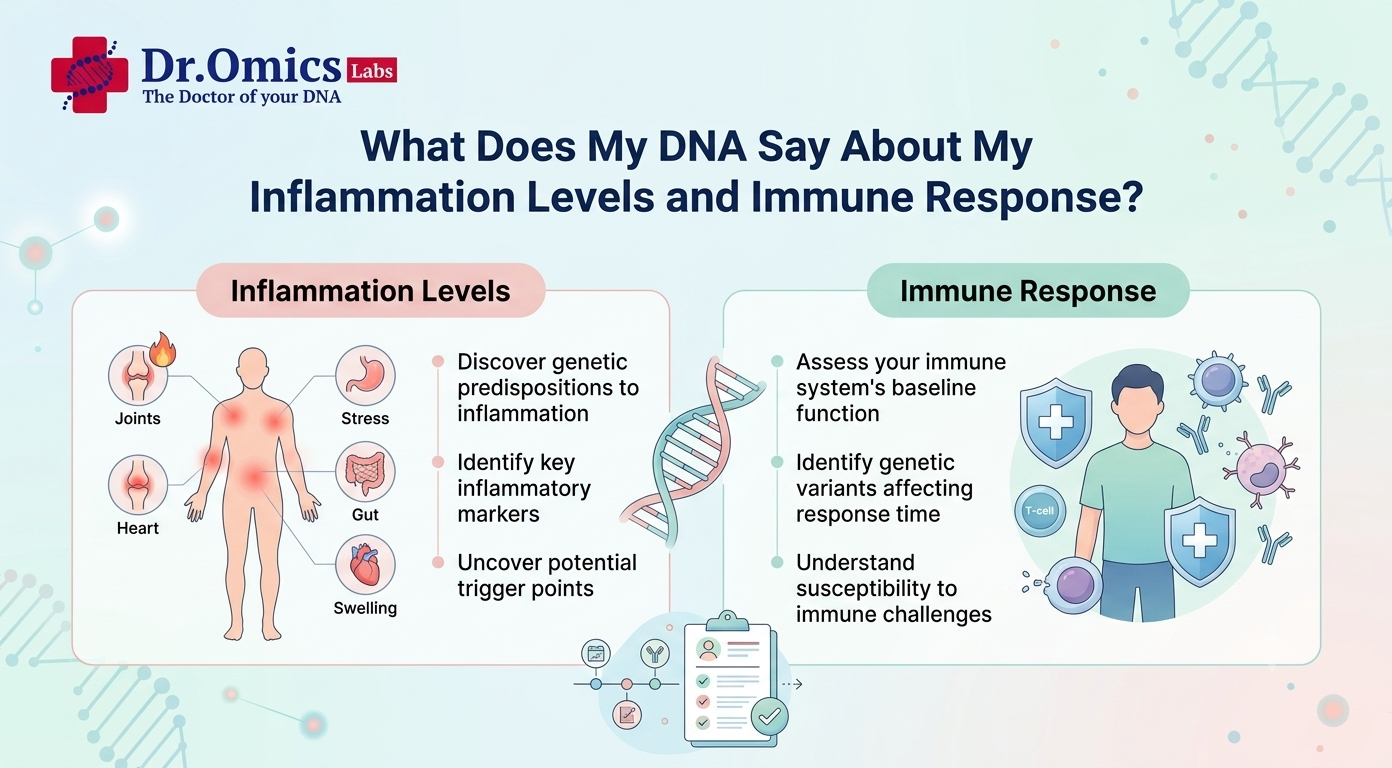
Chronic inflammation is at the root of many health challenges, from fatigue to cellular aging. If you have ever wondered, “what does my DNA say about inflammation?”, you are not alone. In 2026, advances in genomics make it easier to peer into our biological blueprint to map immune responses. But what can a wellness DNA test tell me, and how can these insights transform your health?
How Does a DNA Health Test Work?
To understand your immune tendencies, it helps to know how does a DNA health test work. By analyzing a simple saliva sample, laboratories examine specific variations in your genetic code known as Single Nucleotide Polymorphisms (SNPs). Variants in genes like IL-6 can indicate a predisposition to higher baseline inflammation.
A frequent question is, can at home DNA testing be trusted, and how accurate are wellness DNA tests 2026? Today’s testing protocols utilize advanced clinical-grade microarrays. While they do not diagnose clinical conditions, they are highly reliable for identifying baseline biological tendencies.
Personalizing Nutrition, Sleep, and Longevity
One of the most powerful benefits of genetic insights is discovering how to personalize wellness with DNA. Your immune system is deeply influenced by lifestyle, and data can guide targeted choices:
- Nutrigenomics and Deficiencies: Through what is nutrigenomics testing, you can see how your body interacts with nutrients. This reveals can DNA tests show vitamin deficiencies (such as issues absorbing Vitamin D, a key immune regulator) and whether a can DNA test detect food intolerances like lactose or gluten sensitivities that trigger gut inflammation.
- Rest and Vitality: Sleep is when your body suppresses inflammatory cytokines. By asking, can DNA testing improve my sleep, you uncover genetic variants related to your circadian rhythm, allowing you to tailor routines to reduce biological stress.
- Genetics and Aging: Your genetic makeup dictates how genetics affect aging. Higher genetic inflammation often accelerates cellular wear-and-tear, but knowing your risk allows you to implement protective habits early.
Epigenetics and Disease Prevention
Many individuals wonder, does DNA testing predict disease risk or can DNA test predict heart disease risk? While genetics show baseline susceptibilities, your daily choices influence expression. This is where epigenetic testing and understanding what DNA methylation reveals become critical. Cellular markers like methylation change based on diet and stress, acting as a real-time dashboard.
When deciding on these insights, many ask, is preventive genetic testing worth it? Given that proactive habits can delay chronic conditions, investing in data offers an invaluable roadmap. Furthermore, understanding how pharmacogenomics work can inform how your body processes specific wellness supplements and compounds.
Next Steps: Interpreting Your Results Safely
If you are ready to explore your genetic blueprint, you might wonder, is genetic testing for health safe? Yes, reputable laboratories follow strict data privacy laws to protect your data. Once you receive your report, learning how to interpret DNA wellness results is the final step. Look at it as an actionable guide. Your results will highlight what lifestyle changes based on DNA—such as incorporating antioxidant-rich foods or adjusting workout recovery times—will yield the greatest benefits for your immune system.

