
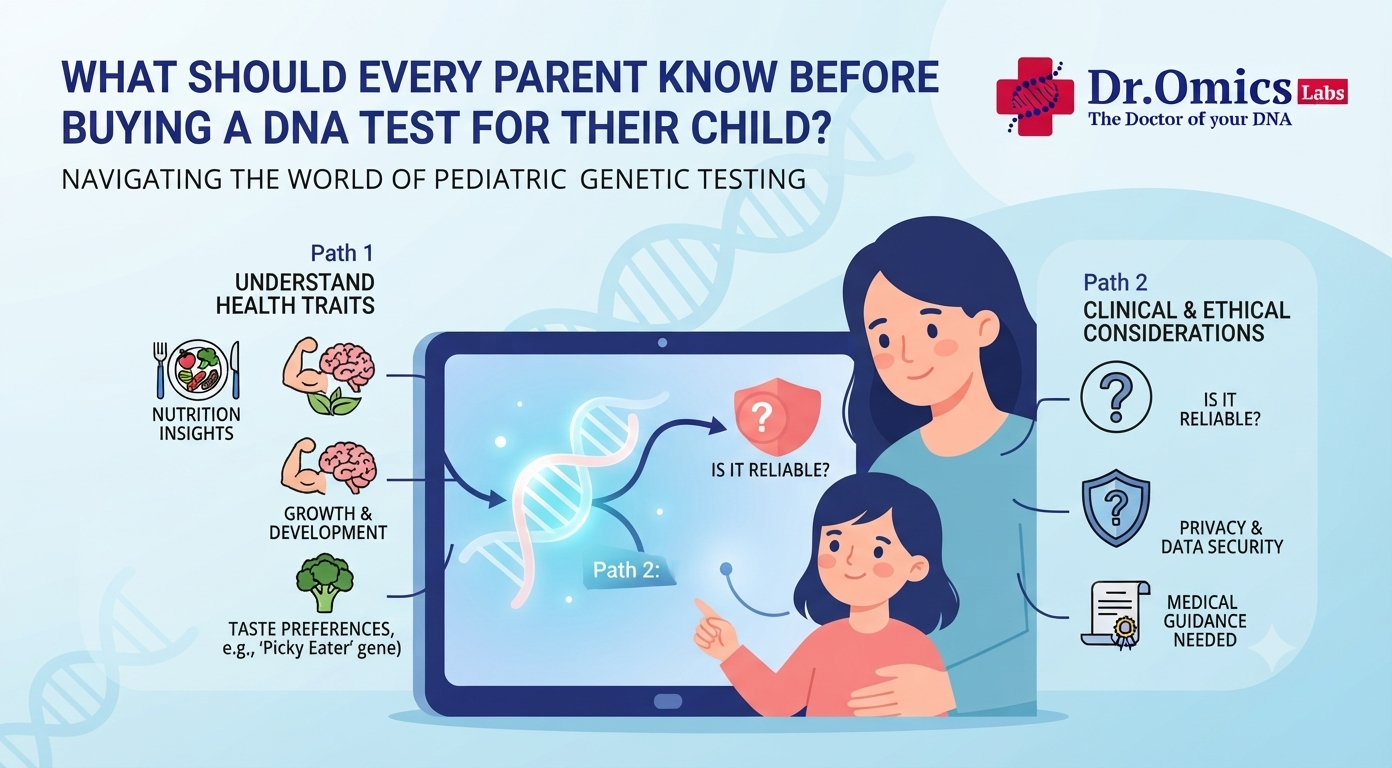
As direct-to-consumer genetic testing becomes more accessible, parents are increasingly curious about their children’s health blueprints. From assessing nutritional needs to understanding developmental predispositions, the market offers a plethora of options. However, navigating this space requires careful consideration. Before purchasing, it is vital to understand the science, the limitations, and the ethics surrounding pediatric genetic testing.
Understanding Pediatric Genetic Testing
At its foundation, how does pediatric genetic testing work? It generally involves analyzing a DNA sample—often through a cheek swab or blood draw—to identify variations in the genome. While clinical diagnostic tools like chromosomal microarray testing or whole exome sequencing for kids are used by medical professionals to diagnose specific health issues, consumer kits often focus on “wellness” traits.
Parents often ask, is genetic testing for children recommended by doctors? The American Academy of Pediatrics (AAP) has specific AAP guidelines for child DNA testing, which emphasize the importance of clinical utility and the protection of the child’s right to an “open future”—the idea that a child should decide for themselves whether to know about adult-onset conditions later in life.
What Can These Tests Reveal?
Many parents are interested in the practical applications of these tests. Can DNA detect developmental delays in children? While genetics can identify markers associated with certain neurodevelopmental conditions, these tests should never replace a clinical evaluation by a pediatrician. Similarly, parents inquire, what conditions can child DNA screen for? Clinical tests are rigorous, but consumer kits are generally limited to non-medical traits.
Regarding nutrition, parents often wonder can DNA test show lactose intolerance in kids or can DNA test identify child allergies? While some genetic markers influence metabolic responses, they are not a substitute for diagnostic allergy testing. Furthermore, does DNA predict child obesity risk? Genetic factors play a role, but lifestyle and environment are often more significant. One intriguing area is the TAS2R38 picky eater gene, which influences taste perception, helping parents understand why their child might reject certain bitter vegetables. Understanding these markers can help personalize child nutrition with DNA, shifting the focus from general advice to tailored approaches.
Navigating Reliability and Ethics
A primary concern for any parent is is DNA testing safe for children. Analytically, providing a sample is safe, but the psychological and long-term implications require thought. Are kids DNA tests reliable? Their reliability is highly dependent on what they claim to measure. While they may accurately identify a gene variant, the interpretation of how that variant impacts a growing child’s health is often limited by current scientific knowledge.
Parents often ask how much does child DNA test cost and what age is best for child genetic testing. Costs vary significantly between clinical diagnostic testing (often covered by insurance) and consumer wellness kits. Regarding age, clinical testing is usually done when a specific medical need arises, rather than as a routine health screen. If you do choose to proceed, how to explain DNA test to a child is an important aspect; focus on the idea of learning about how their body grows and works, keeping the conversation age-appropriate and low-pressure.
Conclusion
Pediatric genetic testing is a powerful tool, but it is not a roadmap for every aspect of a child’s life. While pediatric genomic profiling can offer insights into nutrition, taste preferences, or metabolic tendencies, it should not be viewed as a substitute for pediatric care or professional medical guidance. Before buying a test, prioritize clinical validity and consult with your pediatrician. By balancing curiosity with caution, you can use these insights to support your child’s unique journey without losing sight of the importance of environment, experience, and professional medical wisdom.

