For generations, evaluating cardiovascular health in India followed a predictable path: checking blood pressure, measuring cholesterol, and examining everyday lifestyle habits. While these factors are undeniably important, they only tell part of the story. Many individuals eat clean and exercise regularly, yet still experience sudden cardiovascular events.
The hidden variable is often encoded directly into our DNA. Today, advances in cardiovascular genomics are entirely shifting the focus from standard treatment protocols to highly targeted prevention. By opting for a cardio DNA test in India, you can uncover your unique biological blueprint and take defensive measures long before symptoms occur.
Why Our DNA Holds the Key to Heart Health
The human heart is incredibly resilient, but its structural and metabolic tendencies are inherited. Hereditary heart disease tests look beyond standard health numbers to examine specific variations in your genetic code. These tests isolate distinct markers that dictate how your body processes fats, manages inflammation, and responds to cardiovascular stress.
For families across India with a history of early heart attacks, fluctuating blood pressure, or stubborn cholesterol, understanding heart disease gene risk is incredibly valuable. Your genes do not act as an unchangeable script, but rather as an early warning system. By knowing your baseline vulnerabilities, you can change your daily habits and clinical focus to offset your genetic risks.
What Does a Cardio Precision Medicine Test Reveal?
A comprehensive screening, such as the heart DNA test Dromics (developed by DrOmics Labs), evaluates targeted panels of genes linked directly to inherited cardiac disorders. Instead of relying on a broad estimate, it looks closely at several key areas:
1. Advanced Cholesterol and Lipid Processing
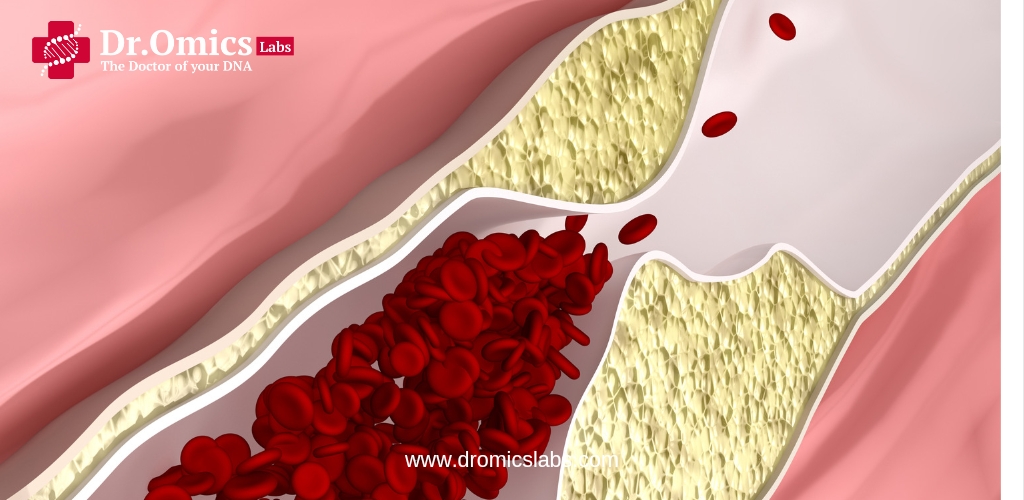
Standard blood tests measure circulating LDL and HDL, but cholesterol gene testing in India uncovers why those numbers are high. It looks for mutations in genes like LDLR, APOB, or PCSK9, which are responsible for removing bad cholesterol from your bloodstream. Variations here can signal conditions like Familial Hypercholesterolemia—a genetic disorder that causes dangerously high cholesterol levels from birth, regardless of your diet.
2. Genetic Risk for Structural and Rhythm Issues
Beyond simple arterial blockages, genomic testing checks your predisposition to electrical or structural conditions:
- Cardiomyopathies: Variations in structural proteins that can cause the heart muscle to thicken or enlarge, impeding its ability to pump blood.
- Arrhythmias: Genetic vulnerabilities in channel genes (like KCNQ1 or SCN5A) that can trigger irregular, dangerous heart rhythms like Long QT Syndrome.
3. Cardiovascular Pharmacogenomics
One of the most practical benefits of cardiac precision medicine is learning exactly how your body processes medications. For instance, many individuals carry variations in the CYP2C19 gene that prevent them from properly activating common antiplatelet drugs like clopidogrel (Plavix), which are routinely prescribed after a stent placement. Discovering this early allows your doctor to select an effective alternative immediately, completely avoiding dangerous trial-and-error medicine.
Who Should Consider Genetic Testing for Heart Health?
While anyone looking to map out a long-term wellness strategy can benefit, genetic testing is highly recommended for specific groups:
- Strong Family History: If immediate relatives have experienced heart attacks, strokes, or sudden cardiac events before the age of 55 (for men) or 65 (for women).
- Unexplained Symptoms: Individuals dealing with persistent, unexplained fatigue, shortness of breath, or heart palpitations that traditional diagnostic tests fail to explain.
- Stubborn Clinical Metrics: People who have high blood pressure or lipid levels that do not improve with standard diet modifications or exercise routines.
Moving from Insight to Actionable Prevention
The testing process itself is completely non-invasive, relying on a simple saliva sample or a quick cheek swab. Once your sample is sequenced in a certified lab, the data is translated into a detailed risk management roadmap.
| Genetic Insight | Proactive Prevention Strategy |
| High Lipid/Atherosclerosis Risk | Tailored dietary modifications, early introduction of targeted lipid-lowering therapies (e.g., statins or PCSK9 inhibitors). |
| Arrhythmia/Cardiomyopathy Variants | Specialized regular monitoring (Echocardiograms, Holter monitors) and avoiding specific strenuous physical triggers. |
| Poor Drug Metabolism (Pharmacogenomics) | Immediate adjustments to medication selections and precise dosing to maximize efficacy and avoid adverse side effects. |
Every comprehensive genomic test should ideally be paired with professional genetic counseling. An expert counselor helps bridge the gap between raw data and real-life action, helping you and your cardiologist design a highly customized roadmap for your diet, fitness routine, and clinical screenings.
The Future of Your Heart
Your DNA is fixed, but your health outcomes are not. Investing in genetic testing for heart health gives you the clarity needed to make precise lifestyle interventions. Embracing cardio precision medicine allows you to shift from a strategy of reactive treatment to one of lifelong, deliberate prevention, protecting your heart using your body’s own biological blueprint.