The human brain is an incredibly complex organ, controlled by an intricate network of billions of neurons. When something goes wrong within this network, the consequences can be life-altering. For decades, diagnosing and treating neurological conditions felt like trying to solve a puzzle in the dark. However, a major shift is underway. With the advent of neurology precision medicine, we are moving away from traditional, one-size-fits-all treatments toward targeted, highly personalized medical care.
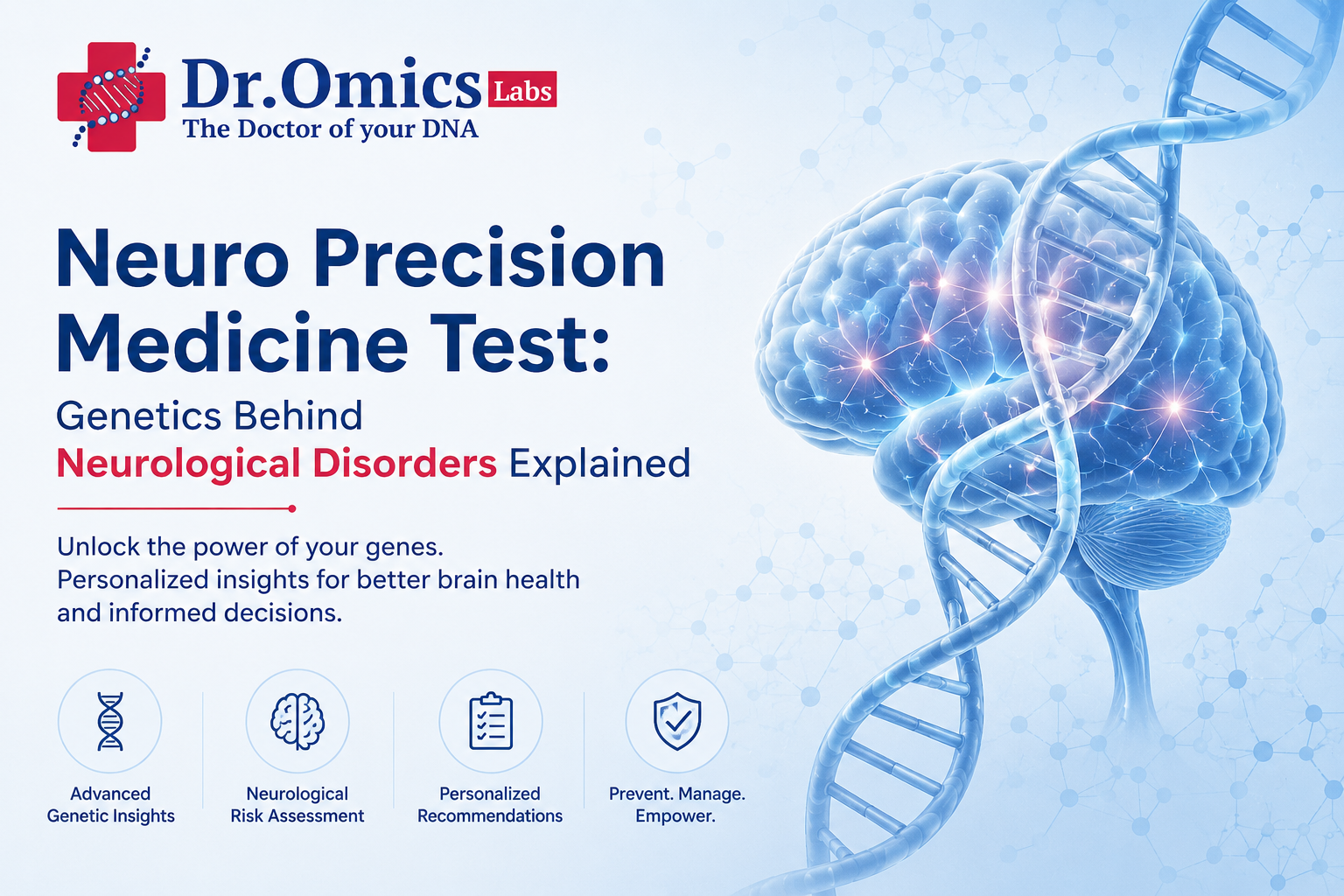
At the heart of this revolution is the Neuro Precision Medicine Test. By mapping an individual’s unique DNA, these advanced diagnostic tools unlock the hidden answers behind complex conditions, offering clear guidance for patients and clinicians alike
What is a Neuro Precision Medicine Test?
A Neuro Precision Medicine Test is an advanced diagnostic evaluation that analyzes an individual’s DNA to identify specific genetic mutations or variations linked to disorders of the nervous system. Unlike standard blood work or routine imaging, this brain health genetic test digs deep into your cellular code.
Driven by the rapidly growing field of neurogenomics India is seeing an unprecedented rise in the adoption of these tools. By studying how an individual’s entire genome interacts with the nervous system, doctors can pinpoint the exact root causes of complex diseases rather than simply managing outward symptoms.
How It Works: The Science Behind the Screen Approximately 80% of our genes are actively expressed in the brain, meaning that even a minor variation in a DNA sequence can disrupt neurological functions. Modern genetic testing for neurological disorders utilizes
Next-Generation Sequencing (NGS). This technology allows scientists to sequence thousands of genes simultaneously from a simple blood or saliva sample.
When you take a neuro DNA test India based laboratories decode your genetic blueprint to look for three primary types of abnormalities:
- Single Nucleotide Variants (SNVs): Small, specific typos in a single gene.
- Copy Number Variations (CNVs): Large sections of DNA that are missing or duplicated.
- Repeat Expansions: Abnormal repetitions of short DNA sequences, commonly responsible for conditions like Huntington’s disease or hereditary ataxias.
Mapping Major Neurological Conditions
Neurogenetic testing is reshaping how we understand, predict, and manage both neurodegenerative and hereditary disorders.
1. Alzheimer’s Disease
While aging is a primary risk factor for cognitive decline, genetics play a critical role. An Alzheimer’s genetic risk India profile screens for specific risk alleles, most notably the APOE-e4 gene variant. Identifying this variant early allows individuals and healthcare providers to take proactive, preventative measures—such as rigorous cardiovascular management, targeted cognitive exercises, and early therapeutic interventions—long before physical clinical symptoms appear.
2. Parkinson’s Disease
Parkinson’s disease can be sporadic, but up to 15% of cases are linked to a family history. A targeted Parkinson’s gene test analyzes key genes like LRRK2, GBA, and SNCA. Knowing if a patient’s Parkinson’s has a genetic driver helps neurologists predict how the disease might progress and assists in determining if they are good candidates for specific clinical trials or targeted therapies.
3. Hereditary Neurological Conditions
Many conditions—such as early-onset epilepsy, muscular dystrophies, amyotrophic lateral sclerosis (ALS), and peripheral neuropathies—are directly passed down through generations. A comprehensive hereditary neurological condition test helps break the pattern of the “diagnostic odyssey”—the exhausting, years-long cycle of inconclusive tests that families often endure just to find an accurate diagnosis.
The Core Benefits of Precision Neuroscience
[ DNA Sample Collection ]
│
▼
[ Next-Generation Sequencing ]
│
▼
[ Neuro-Genomic Data Analysis ]
│
┌───────────────┼───────────────┐
▼ ▼ ▼
[Accurate Diagnosis] [Risk Assessment] [Targeted Therapy]
- Ending the Diagnostic Guesswork: Many brain disorders share overlapping symptoms like tremors, cognitive changes, or muscle weakness. Genetic analysis provides an definitive diagnosis by isolating the exact molecular flaw.
- Tailored Treatment (Pharmacogenomics): Our DNA governs how our bodies process medications. Precision testing reveals how a patient will metabolize specific neurological drugs, helping doctors select the right medication and dosage while minimizing dangerous side effects.
- Informed Family Planning: Because many neurological conditions are inherited, understanding your genetic status provides essential clarity for family planning and helps assess the risk of passing a condition on to future generations.
Parul Sevashram Hospital
The Rise of Neurogenomics in India
The clinical utility of genetic testing is expanding rapidly across the country. In India, factors like specific regional gene pools and a historical prevalence of consanguineous marriages make targeted genetic profiling incredibly valuable.
The Journal of Contemporary Clinical Practice
Top-tier medical institutions across major Indian metros are integrating specialized neurogenetic clinics. Clinicians are shifting from purely reactive treatments to proactive, preventative care strategies guided by local genomic databases.
Is a Neuro Genetic Test Right for You?
You should consider talking to a neurologist or genetic counselor about a neuro precision test if you experience:
- A strong, known family history of early-onset dementia, movement disorders, or chronic muscle weakness.
- Progressive, unexplained neurological symptoms that standard MRIs or CT scans cannot resolve.
Apollo Hospitals
3.Early-onset symptoms (e.g., developing tremors or severe cognitive decline before the age of 50).The brain remains one of science’s greatest frontiers, but we are no longer completely blind to its secrets.
- A Neuro Precision Medicine Test replaces medical guesswork with absolute molecular clarity. Whether you are seeking an accurate diagnosis for a complex condition or looking to evaluate your long-term hereditary risks, looking closely at your DNA is the most powerful step you can take toward protecting your future brain health.