
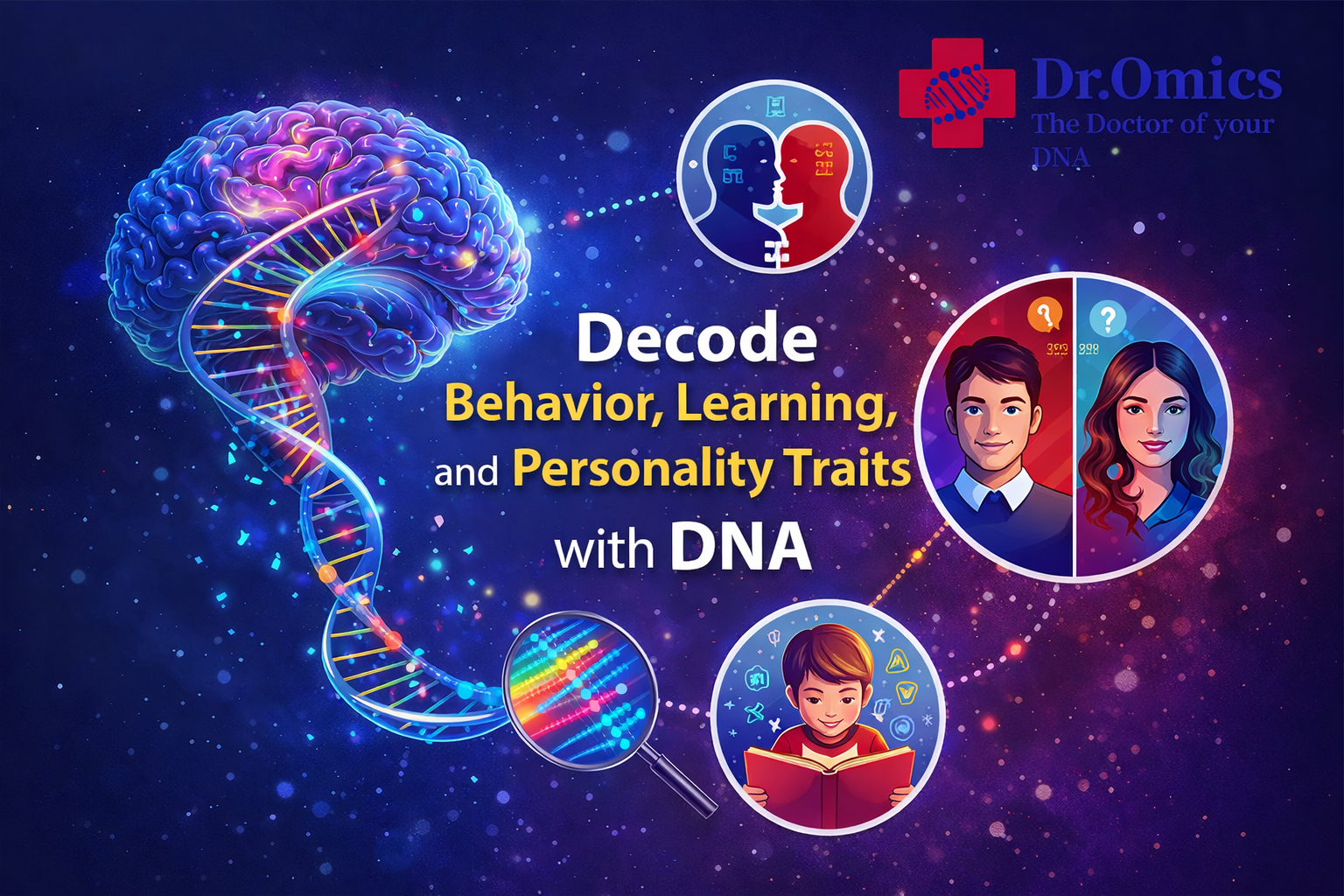
Parenting is both rewarding and challenging. Every child is unique, with individual behaviors, learning styles, and personality traits that can puzzle even the most experienced parents. While environment and upbringing play a role, genetics also significantly shape who a child is. Advances in parenting DNA test technology, such as the Chill Parent DNA test, are now helping parents understand these genetic influences, paving the way for more effective and compassionate parenting.
Understanding Child Behavior Genetics
Child behavior genetics examines how inherited genes affect temperament, emotional response, attention, and social interaction. Some children may naturally be more curious and adventurous, while others are cautious or sensitive. Recognizing these traits early can help parents tailor their approach, creating a supportive environment that nurtures growth without unnecessary stress or conflict.
Genetic insights also help explain why some strategies work for certain children and fail for others. By understanding the biological underpinnings of behavior, parents can move from a trial-and-error approach to one that is informed, empathetic, and precise.
What Is a Parenting DNA Test?
A parenting DNA test is a non-invasive analysis that examines a child’s genetic markers to understand personality, behavior, learning tendencies, and emotional patterns. Tests like the Chill Parent DNA test use a simple saliva or cheek swab sample to provide actionable insights.
Rather than diagnosing conditions, these tests focus on wellness and development, offering guidance to support healthy growth and learning.
Child Personality DNA: Unlocking Natural Strengths
Child personality DNA insights reveal traits such as:
- Emotional sensitivity and stress response
- Attention span and focus patterns
- Social interaction tendencies
- Adaptability and resilience
- Cognitive strengths and learning preferences
These insights allow parents to nurture their child’s natural abilities, reinforce positive behaviors, and provide targeted support in areas where the child may face challenges.
The Power of DNA-Based Parenting
DNA-based parenting empowers parents to make informed decisions rather than relying solely on observation or generalized advice. By understanding a child’s genetic predispositions, parents can:
- Adapt discipline methods to fit personality traits
- Support learning and concentration based on natural inclinations
- Encourage emotional regulation strategies suited to the child
- Build stronger parent-child connections through empathy and understanding
This approach not only improves parenting effectiveness but also fosters confidence and emotional security in children.
Family Genetic Testing: Seeing the Bigger Picture
Family genetic testing can provide insight into how traits are shared across generations. Understanding familial tendencies in behavior, learning, and personality can help parents anticipate potential strengths and challenges. This knowledge reduces frustration and promotes realistic expectations, creating a nurturing and informed environment for the child’s development.
Benefits of Decoding Behavior Through DNA
Using a parenting DNA test offers numerous advantages:
- Personalized parenting strategies that match the child’s natural tendencies
- Improved communication and reduced conflicts
- Better support for learning and emotional development
- Early identification of potential behavioral or cognitive challenges
- A stronger, more empathetic parent-child relationship
By integrating genetic insights into everyday parenting, families can create environments where children feel understood, supported, and empowered.
Conclusion
Parenting is no longer about guesswork. With tools like the Chill Parent DNA test and other parenting DNA tests, families can access a deeper understanding of their child’s behavior, learning patterns, and personality. Child behavior genetics, child personality DNA, and family genetic testing provide actionable insights that enable DNA-based parenting, fostering a supportive environment that helps children thrive.
By decoding behavior, learning, and personality traits with DNA, parents can approach each challenge with empathy, precision, and confidence—helping their children reach their full potential while building stronger family bonds.

