
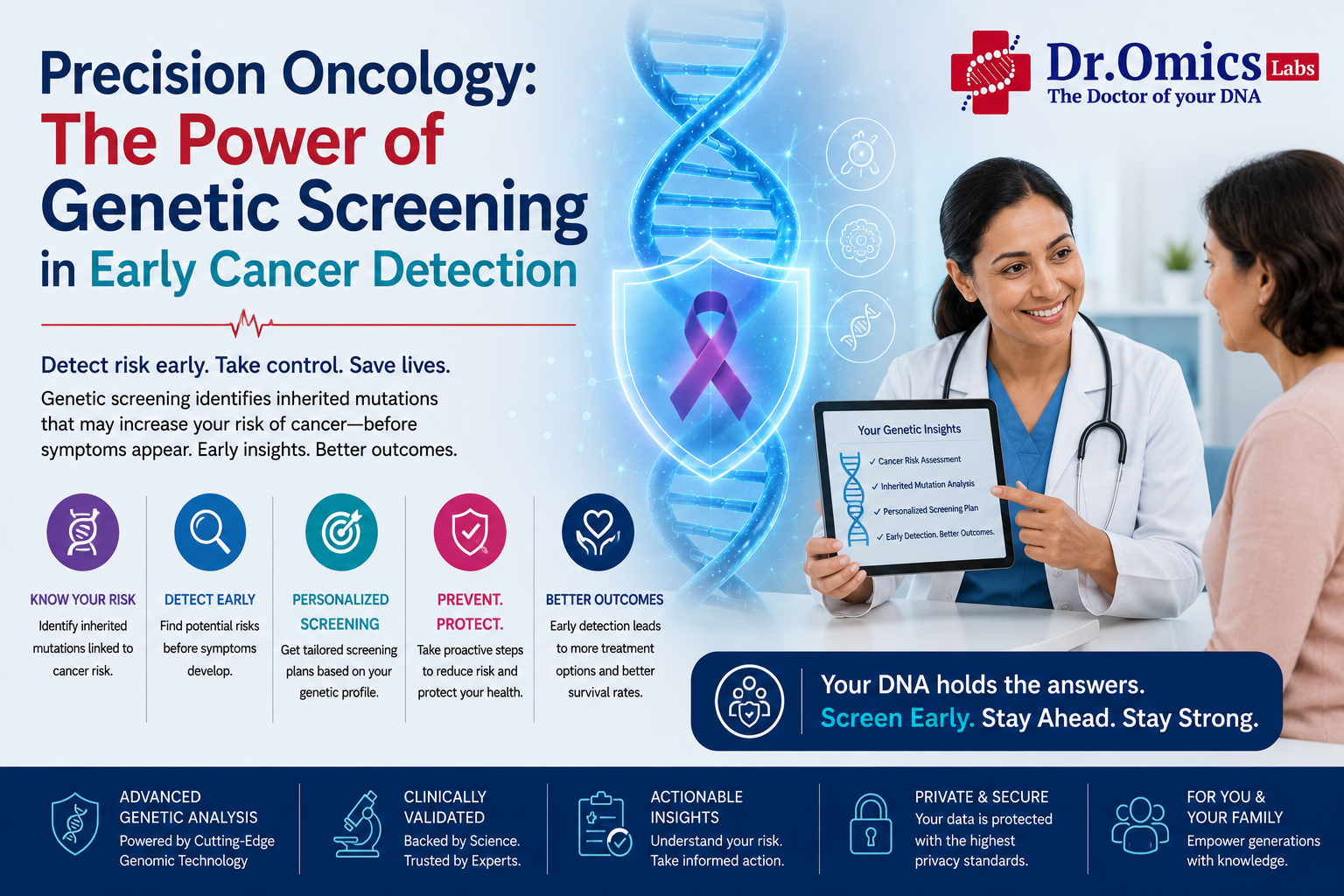
In the landscape of modern medicine, few words carry as much weight as “cancer.” For decades, the primary strategy against this disease was reactive: detecting a tumor after it caused symptoms and treating it with broad-spectrum therapies. However, we are currently witnessing a paradigm shift. The rise of precision oncology is moving the finish line from treatment to early detection and prevention, fueled largely by the insights gained from the Onco DNA test.
Decoding Your Hereditary Blueprint
The foundation of this transformation is hereditary cancer testing. While all cancer is “genetic” in the sense that it involves changes to genes within a cell, not all cancer is inherited. Approximately 5% to 10% of cancers are linked to inherited gene mutations passed down through families.
A cancer genetic screening allows individuals to identify these mutations long before any physical symptoms arise. The most well-known examples are the BRCA1 and BRCA2 mutations, which significantly increase the risk of breast and ovarian cancer. However, modern screening goes much further, examining a broad panel of genes associated with Lynch syndrome (colorectal and uterine risks), Li-Fraumeni syndrome, and many others.
Identifying Genetic Markers for Oncology
What makes an Onco DNA test so powerful is its ability to pinpoint specific genetic markers for oncology. These markers act as biological red flags. By analyzing your DNA—usually through a simple blood or saliva sample—scientists can identify variations that indicate a higher susceptibility to certain malignancies.
Understanding these markers provides a “window of opportunity.” If a person is found to have a high personalized cancer risk, they aren’t left to wait in fear. Instead, they gain access to a tailored surveillance plan. This might include:
- Increased Frequency of Screenings: Starting colonoscopies or mammograms at an earlier age.
- Advanced Imaging: Utilizing MRIs instead of standard X-rays for clearer detection.
- Proactive Interventions: In some cases, lifestyle adjustments or preventive medications can significantly lower the chances of the “genetic trigger” being pulled.
The Impact of Early Detection
The most critical factor in cancer survival remains early detection. When cancer is caught in Stage 0 or Stage 1, the chances of successful treatment and long-term remission are exponentially higher. Cancer genetic screening is the ultimate early-warning system because it identifies the risk of the disease before the disease even exists.
Furthermore, if a person is eventually diagnosed with cancer, having their genetic profile on hand allows for “targeted therapy.” This is a core component of precision oncology, where doctors choose medications designed to attack the specific genetic mutations driving that person’s tumor. This approach minimizes damage to healthy cells and reduces the harsh side effects often associated with traditional chemotherapy.
Knowledge as a Tool for Empowerment
Many people hesitate to undergo an Onco DNA test because they fear the results. However, in the world of oncology, knowledge is power. Knowing your personalized cancer risk takes away the element of surprise. It allows you to move from a position of vulnerability to a position of strategy.
Hereditary cancer testing also provides invaluable information for your family. Identifying a mutation in one individual can lead to life-saving screenings for siblings, children, and cousins, creating a ripple effect of prevention across generations.
Conclusion
We are living in an era where your DNA is no longer a mystery, but a guide. By embracing precision oncology and the science of genetic screening, we are rewriting the story of cancer. We are moving toward a future where “detecting it early” isn’t just a hope—it’s a scientific certainty. Taking an Onco DNA test is more than just a medical procedure; it is a proactive step toward a longer, healthier, and more informed life.

