
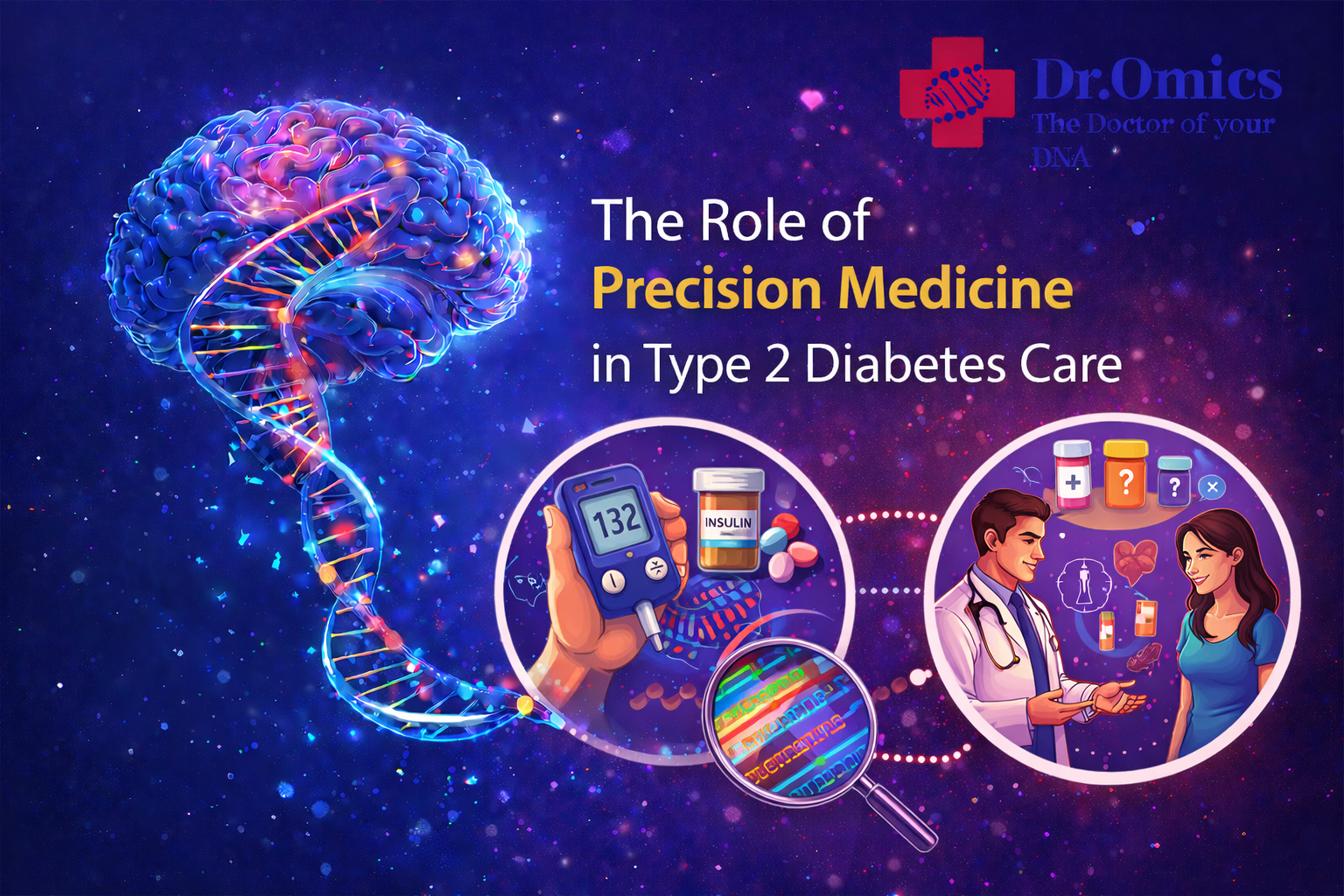
Type 2 diabetes is no longer viewed as a single disease with a universal treatment plan. Each patient experiences diabetes differently, influenced by genetics, lifestyle, environment, and metabolic factors. This growing understanding has paved the way for diabetes precision medicine, a revolutionary approach that tailors care to each individual.
Rather than relying solely on standardized therapies, precision medicine uses genetic, clinical, and behavioral data to create personalized strategies—helping patients achieve better outcomes and long-term control.
Understanding Genomics in Diabetes
Advances in genomics in diabetes have revealed that multiple genes contribute to insulin resistance, beta-cell dysfunction, and glucose metabolism. These genetic variations explain why some people develop diabetes earlier, respond differently to medications, or face higher risks of complications.
By analyzing DNA, clinicians can identify genetic markers associated with disease progression and treatment response. This information enables early intervention and more targeted care plans, shifting diabetes management from reactive to proactive.
DNA-Guided Treatment: A New Standard of Care
One of the most promising applications of precision medicine is DNA diabetes treatment. Genetic testing can help determine how a patient metabolizes specific drugs, which therapies may work best, and which medications might cause side effects.
For example, certain genetic variants affect how individuals respond to metformin, sulfonylureas, or newer antidiabetic agents. With DNA insights, physicians can select the most effective medication from the start—reducing trial-and-error prescribing and improving glycemic control.
This approach not only enhances treatment effectiveness but also minimizes adverse reactions, improving patient adherence and quality of life.
Pharmacogenomics Diabetes: Matching Drugs to Genes
A key pillar of precision medicine is pharmacogenomics diabetes, which studies how genes influence drug response. Pharmacogenomic testing allows healthcare providers to customize medication choices and dosages based on a patient’s genetic profile.
This is especially valuable for individuals who struggle with standard treatments or experience frequent medication changes. By understanding genetic differences in drug metabolism, clinicians can optimize therapy, avoid unnecessary side effects, and achieve faster stabilization of blood glucose levels.
As pharmacogenomic databases continue to grow, this approach is becoming increasingly accessible in routine diabetes care.
Personalized Diabetes Management Beyond Medication
Precision medicine goes beyond prescriptions. Personalized diabetes management integrates genetic data with lifestyle factors such as diet, physical activity, sleep patterns, and stress levels.
Some individuals may be genetically predisposed to weight gain, carbohydrate sensitivity, or lipid abnormalities. Recognizing these tendencies allows for customized nutrition plans, exercise recommendations, and behavioral strategies that align with each patient’s biology.
Digital health tools and continuous glucose monitoring further enhance personalization, offering real-time feedback and enabling data-driven adjustments. Together, these innovations empower patients to take an active role in managing their condition.
Why Precision Medicine Matters for Type 2 Diabetes
Traditional diabetes care often follows generalized guidelines, but this approach may not work equally well for everyone. Precision medicine acknowledges the complexity of Type 2 diabetes and embraces individuality.
The benefits include:
- Earlier diagnosis in high-risk individuals
- More effective medication selection
- Reduced side effects
- Improved glycemic control
- Lower risk of long-term complications
Most importantly, it fosters patient-centered care—where treatment plans are designed around the person, not just the disease.
Looking Ahead
The future of Type 2 diabetes care lies in integration: combining diabetes precision medicine, genomics in diabetes, and pharmacogenomics diabetes with clinical expertise and patient engagement. As genetic testing becomes more affordable and accessible, DNA-guided approaches will likely become a routine part of diabetes management.
Precision medicine represents a shift from population-based treatment to truly individualized care. By leveraging genetic insights and personalized strategies, healthcare providers can help patients achieve better control, improved well-being, and a higher quality of life.
Type 2 diabetes may be complex—but with precision medicine, its care is becoming smarter, more targeted, and more human.

