
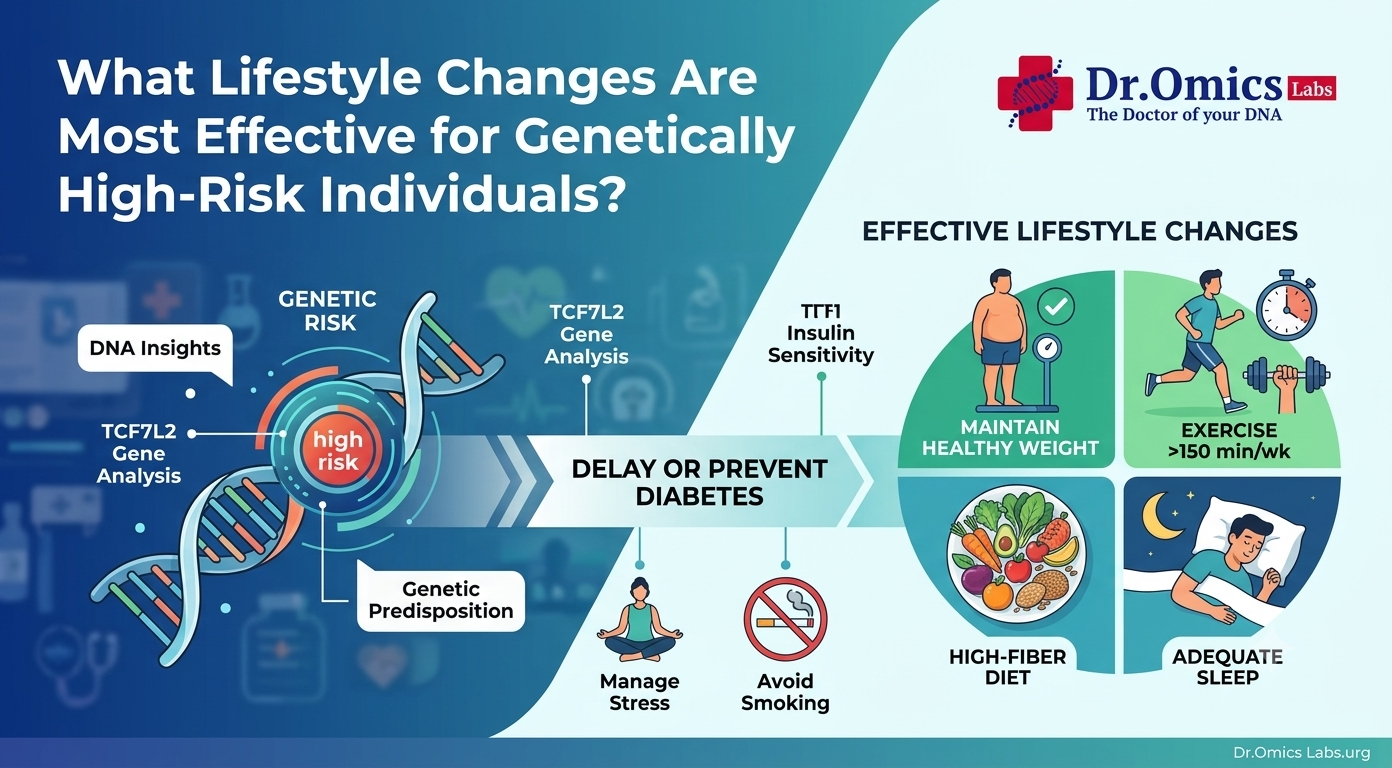
Many people wonder, can DNA predict Type 2 diabetes risk? The answer is yes—to a certain extent. Advances in genomics have shown that genetic testing can identify variants associated with diabetes risk, helping individuals take preventive action long before symptoms appear. However, genes are only one part of the equation. Lifestyle choices remain the most powerful tool for reducing diabetes risk, even in genetically predisposed individuals.
Understanding Your Genetic Risk
Many people ask, what is genetic testing for diabetes and is diabetes genetic testing recommended? Genetic testing analyzes specific DNA variants linked to diabetes susceptibility. It can identify whether you carry genes associated with insulin resistance, impaired insulin secretion, or autoimmune diabetes.
For example, what is the TCF7L2 gene for diabetes is one of the most searched questions because this gene is among the strongest genetic predictors of Type 2 diabetes. Variants in TCF7L2 influence insulin production and glucose regulation.
Similarly, researchers continue to study what genetic markers for Type 1 diabetes, particularly HLA gene variants that increase autoimmune risk.
How Genetics Influence Diabetes
Many people ask, how does genetics affect insulin sensitivity and can DNA show insulin resistance? Certain gene variants affect how efficiently your body responds to insulin. Others influence what genes affect carbohydrate metabolism, determining how your body processes sugars and starches.
Another common concern is does DNA determine diabetes onset age. While genetics may influence when diabetes develops, lifestyle factors such as obesity, exercise, diet, and sleep often determine whether the disease appears earlier or later.
Family history also matters. Understanding how family history affects diabetes genes helps healthcare providers assess inherited risk alongside environmental influences.
Lifestyle Changes That Make the Biggest Difference
Even with a high genetic risk, healthy habits can significantly delay or even prevent diabetes.
The most effective lifestyle changes include:
- Maintaining a healthy body weight
- Exercising at least 150 minutes each week
- Following a high-fiber, balanced diet
- Limiting refined carbohydrates and sugary beverages
- Getting adequate sleep
- Managing stress effectively
- Avoiding smoking and excessive alcohol consumption
- Monitoring blood glucose regularly if at high risk
Many people also ask how to prevent diabetes with DNA insights. Genetic information allows healthcare providers to recommend targeted prevention strategies based on an individual’s unique risk profile.
Personalized Nutrition and Precision Medicine
One exciting field is nutrigenomics. Many ask, can nutrigenomics reverse prediabetes? While nutrigenomics cannot change your genes, it helps tailor dietary recommendations based on genetic variations affecting metabolism. Combined with exercise and weight management, personalized nutrition may improve blood sugar control and reduce progression to Type 2 diabetes.
Likewise, can DNA test guide diabetes diet is becoming increasingly relevant as personalized nutrition plans gain scientific support.
DNA-Guided Treatment Options
Genetic testing isn’t only useful for prevention. Patients often ask which diabetes medication based on DNA is most effective. This is where pharmacogenomics comes into play.
Researchers studying pharmacogenomics for diabetes effectively have found that certain genetic variants influence how patients respond to medications like metformin or sulfonylureas. This allows physicians to optimize treatment while reducing side effects.
Understanding how to personalize diabetes treatment with DNA represents one of the biggest advances in precision medicine.
How Accurate Are Diabetes Genetic Tests?
People frequently ask how accurate are diabetes genetic tests. While these tests cannot guarantee whether someone will develop diabetes, they provide valuable information about inherited susceptibility when combined with family history and clinical risk factors.
Women may also wonder, can DNA show gestational diabetes risk. Research suggests certain genetic markers can indicate increased susceptibility, although pregnancy-related factors also play a major role.
The Future of Diabetes Genomics
The latest breakthroughs in diabetes genomics include polygenic risk scoring, AI-powered risk prediction, multi-omics research, and precision medicine approaches that combine genetics, lifestyle, and clinical data. These innovations promise earlier detection, individualized prevention plans, and more effective treatments.
Ultimately, while genetics influence diabetes risk, they do not determine destiny. Healthy eating, regular exercise, weight management, and personalized medical care remain the most effective strategies for preventing diabetes—even for individuals with a strong genetic predisposition.

